
Key Takeaways
Sourcing used components for your crossover is an efficient way to keep your vehicle running without overspending. This guide summarizes how to evaluate, find, and install reliable parts safely.
- Prioritize verified part numbers to ensure structural and electrical compatibility.
- Use reputable digital platforms and specialized suppliers to improve component traceability.
- Conduct rigorous visual inspections for signs of oxidation or severe physical stress.
- Always test electronic modules and sensors before completing a final installation.
- Document all replacements to support future resale value and maintenance tracking.
Benefits of choosing recycled parts
Opting for pre-owned automotive components provides a practical pathway for vehicle owners to restore functionality while remaining mindful of financial constraints. This approach not only extends the service life of your car but also effectively reduces the demand for newly manufactured items that require energy-intensive production cycles. Many owners find that this strategy allows them to keep their high-mileage vehicles on the road for years longer than if they were limited solely to the high cost of brand-new alternatives.
Cost-effectiveness compared to OEM
Choosing recycled components often allows you to secure functional parts at a significant fraction of their original purchase price. This becomes particularly beneficial when repairs involve complex modules or assembly units that would otherwise render an older vehicle a total loss in terms of current market value. By reducing your direct expenses, you maintain consistent vehicle performance while preserving your household budget for other essential automotive upkeep.
Environmental impact of repurposing components
Repurposing salvaged metal, plastics, and electronics significantly shrinks your personal carbon footprint associated with vehicle maintenance. Every part pulled from a decommissioned vehicle represents a unit of material that does not need to be refined, molded, or shipped from a global manufacturing hub. This practice contributes to a circular automotive economy by keeping high-quality steel and functional hardware out of waste streams longer than anticipated.
Availability of discontinued or hard-to-find parts
When manufacturers shift their production focus to newer models, finding original components for older crossovers can feel nearly impossible. Recycled inventory acts as a vital bridge in this scenario, as these specialized salvage yards often act as the last repository for components that have long since left standard retail channels. This accessibility ensures that your vehicle remains functional even when retail availability for legacy parts begins to dry up.
Maintaining the budget for older vehicle maintenance
Consistent maintenance requires a disciplined financial plan, and relying on salvaged inventory keeps your long-term repair fund flexible. Instead of paying a premium for factory-fresh parts that might depreciate as quickly as the rest of the car, you allocate your funds toward parts that carry a lower base cost. This approach prevents the common trap where repair costs eventually exceed the utility of the vehicle itself.
Identifying compatible recycled components
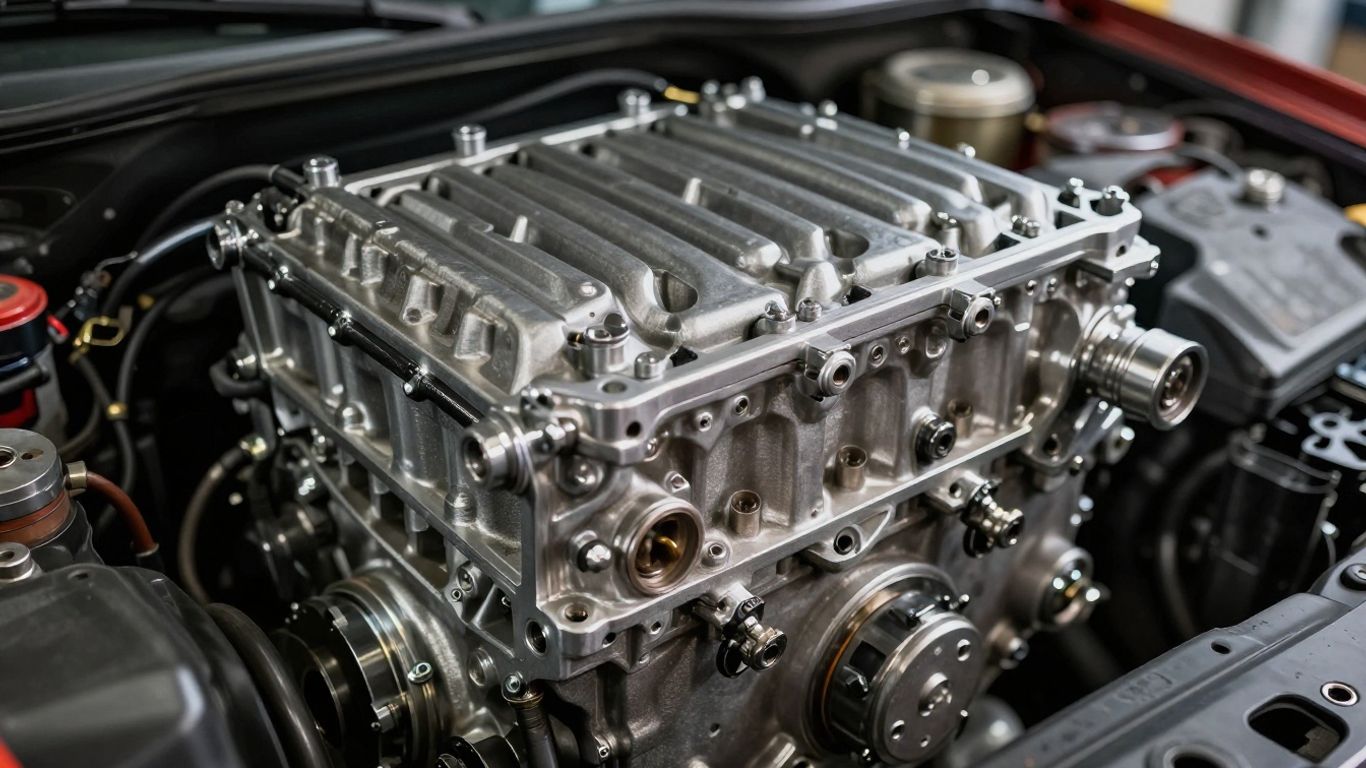
Finding the perfect match for your vehicle requires careful attention to the specific build phase and assembly series of your unit. Because manufacturers often iterate on designs throughout a production run, verifying data before payment is the only way to avoid wasted time and effort. Taking the time to cross-reference technical documentation will help you feel more confident in every purchase.
Matching part numbers for Tiggo 2 model years
Your primary tool in the search process is the specific original equipment manufacturer part number found etched or labeled on the component. Relying on visual similarities alone frequently leads to installation failures, as slight variations between production years can prevent proper mounting. Always keep your VIN (Vehicle Identification Number) handy, as this serves as a secure key to verify if the donor part precisely addresses your specific mechanical requirements.
Understanding cross-compatibility with other Chery models
Many crossovers in this class draw from a shared catalog of components, which is a significant advantage when sourcing from a broader salvage pool. Learning which components share heritage with related hatchbacks or sedan platforms lets you expand your search area significantly. This deeper knowledge allows you to bypass niche scarcity and find functional swaps that an ordinary search might miss.
Distinguishing between mechanical and electrical components
Mechanical parts like steering linkages or suspension arms are generally more forgiving during the compatibility assessment process. Electrical components, however, require exact software compatibility, as the on-board unit must communicate properly with the replacement part’s signals. Always verify that an electronic module matches the firmware architecture of your vehicle to prevent non-responsive hardware issues after you plug it in.
Assessing the compatibility of exterior body parts
When replacing panels or trim, you must consider the specific mounting point configuration and the overall silhouette of the donor vehicle. Exterior parts can vary based on trim packages, so subtle differences in fog light bezels or grille inserts often exist between standard and premium levels. Before finalizing your decision, physically mock up the positioning if possible, or consult catalogs that explicitly show the mounting hardware arrangement for your specific trim level.
Assessing the quality of used parts
Determining the condition of salvage requires a keen eye and a systematic approach to identifying signs of wear that may shorten the life of a replacement. It is not enough to find an identical part; you must ensure the piece itself has sufficient remaining lifespan to justify the installation effort. Establishing a routine for your examination turns a guessing game into an informed process.
Visual inspection for corrosion and physical damage
Look closely for structural fatigue, deep surface rust, or signs of previous impact deformation that indicates internal stress. A cleaned part might look promising at a glance, but hidden microscopic cracks around mounting holes or welded seams can hint at future failure points. When inspecting your parts, use the following framework to determine if a component is truly road-worthy.
| Inspection Area | Key Indicators of Health | Status Outcome |
|---|---|---|
| Metal Surfaces | Minimal surface oxidation present | Acceptable |
| Threaded Connections | Clean, smooth, and unobstructed | Functional |
| Rubber Bushings | Pliant, no cracking or tearing | Reusable |
Following this protocol helps you discard items that are nearing the end of their useful life before they reach your driveway, ensuring that the time you spend on installation produces a lasting result.
Evaluating the mileage and condition of mechanical assemblies
Mechanical components are sensitive to the total run time of the vehicle they originated from. If you are buying a transmission or axle assembly, check the odometer of the donor unit to estimate the residual wear on internal bearings and gears. Generally, aim for components pulled from vehicles with lower engine hours or those that show evidence of consistent maintenance routines, such as clean fluid residues or absence of heavy sludge.
The importance of testing electrical components before purchase
Electrical failures are the hardest to diagnose once you get home, so testing these items while at the yard or seller’s site is essential. If the seller allows, use a basic multimeter to verify expected continuity or resistance ratings on sensors and switches. If the part is an electronic module, confirm with the seller if the unit was verified as active and responsive before it was removed from the donor vehicle.
Verifying the history of salvaged vehicles
Knowing how a vehicle ended up at the scrapyard provides a major clue regarding the integrity of its parts. Components from a wreck that took a heavy front-end hit will likely suffer from different types of hidden stress than those from a vehicle salvaged due to low-impact cosmetic issues or engine failure. You should aim to prioritize parts from vehicles with documented, clean salvage histories to increase the probability of receiving a healthy component.
Best sources for Tiggo 2 recycled parts
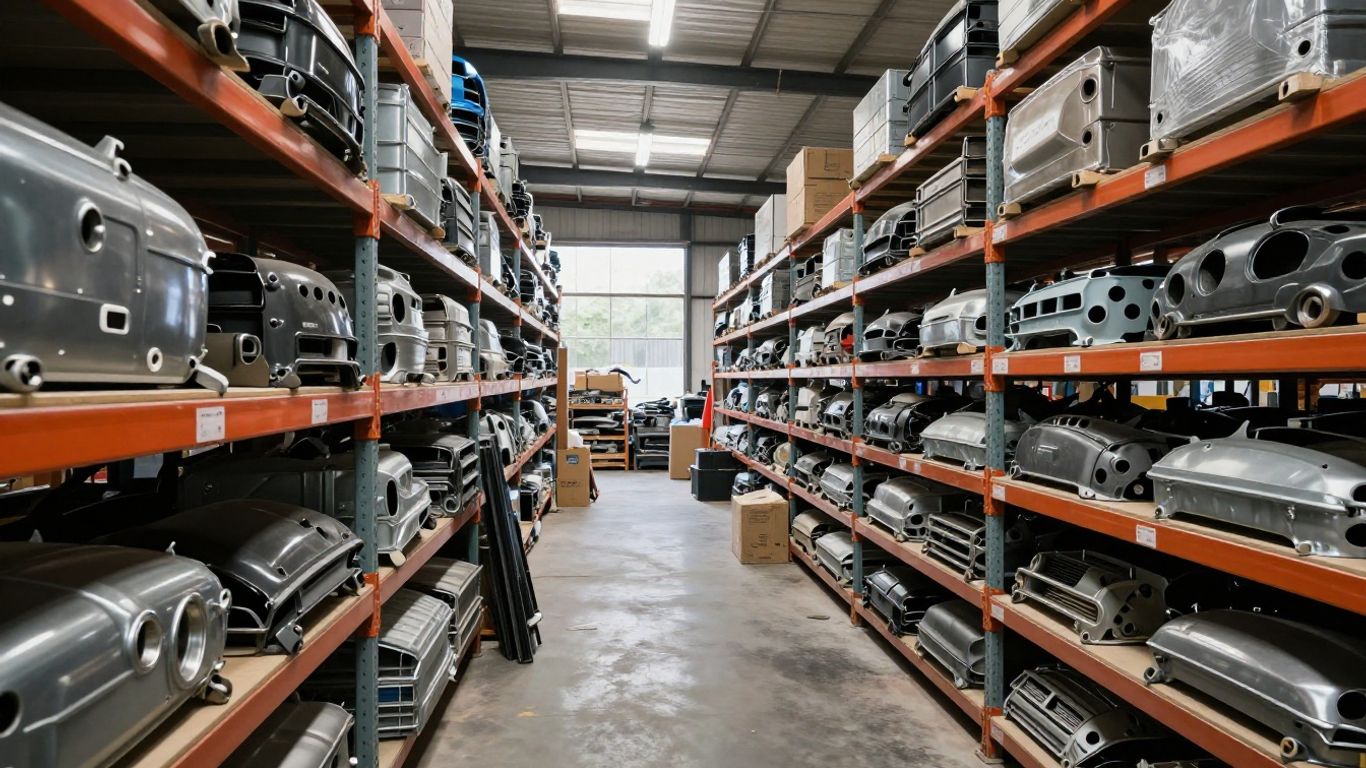
Locating high-quality salvage requires knowing both where to look and how to build a short list of reliable vendors. Developing a few key relationships with regional providers can save you from constantly scouring the wide web without direction. Whether you need a specific module or a major body component, diversify your strategy by hitting both local and remote resources.
Navigating online auto salvage marketplaces
Digital marketplaces are excellent for finding specific, low-volume components that might not be held locally. To get the best results, adhere to these simple best practices to ensure you are dealing with a professional outfit:
- Thoroughly screen the seller’s store ratings and recent customer feedback.
- Request high-resolution photos that highlight the condition of critical mounting points.
- Confirm clear communication regarding handling times and shipping insurance.
Following these steps helps you mitigate the inherent uncertainty of shopping for used goods from remote locations where you cannot physically see the item before the transaction concludes.
Identifying reliable local scrap yards
Local yards are invaluable for immediate fixes when shipping delays would keep your vehicle out of commission for too long. If you live in an urban center, investigate several nearby locations to see which ones regularly process the type of SUV you drive. Regularly visiting these sites allows you to build a rapport with the staff, who may call you directly when they see your specific model arrive on the lot.
Leveraging specialized Chery parts importers
Businesses such as Elite Parts focus on supplying CHERY Tiggo 2 and Tiggo 2 Pro parts and represent a more refined channel for high-quality items. These importers often carry stock that has been pre-inspected, which minimizes the uncertainty that comes with typical unorganized pick-and-pull yards. Partnering with these suppliers is a wise move when the component is critical for vehicle safety or operational stability.
Benefits of buying through certified dismantlers
Certified dismantling centers adhere to higher standards for removal and storage compared to generic yards. When you source through these professional operations, you receive parts that have been extracted with appropriate tools, preventing the erratic wiring cuts or structural damage that common disassembly methods frequently cause. This professional standard ensures that your new part is ready for immediate integration into your vehicle without requiring extensive repairs first.
Challenges and risks to consider
Although you can save significantly, the salvage path is not without its pitfalls, ranging from potential lifespans of high-wear parts to the difficulty of returning electronic components. Understanding these limitations prevents you from entering a situation where your maintenance budget spirals out of control. It is always best to weigh the risk of a used part versus the reliability of a new one before every purchase.
Uncertain lifespan of high-wear components
High-wear parts, such as water pumps or alternators, carry a risk profile that is inherently tied to their unknown past usage. Even if an item passes visual inspection, its internal seals or brushes might be weeks away from failure due to age. You should be prepared for the possibility that these specific items might not offer the same longevity as their brand-new, factory-sealed counterparts.
Potential lack of warranties from private sellers
Purchasing from private parties creates a high-risk environment because there is typically no recourse if the part works for one day and fails the next. When dealing with sellers who offer no guarantees, you must factor the potential cost of a second replacement into your initial buying decision. For critical vehicle systems, prioritize sellers who offer at least a short-term store warranty or an exchange policy.
Understanding the return policies of salvage yards
Never assume that a return policy automatically applies to used vehicle components; many yards operate on a strict all-sales-final basis unless the part is demonstrably non-functional on day one. Always ask for written confirmation of the return timeline and conditions before you hand over any money. Knowing the boundaries of your agreement helps prevent disputes if the part you received does not function as expected once installed.
Hidden costs associated with refurbishing used parts
Sometimes the price of a used part plus the labor required to make it functional equates to a value that no longer justifies the effort. Before jumping on a cheap component, estimate the price of consumables like gaskets, fluids, and cleaning agents that you will need to prepare the part. If the total cost approaches that of an aftermarket part, it is often clearer to choose the path of least resistance.
Installation and safety considerations
Correct installation is the difference between a successful repair and a recurring mechanical headache. Even a perfectly sourced component can cause severe problems if installed improperly or in a way that ignores manufacturer calibration specifications. Treat every project with the seriousness of a shop environment, ensuring you have the right tools and information before starting work.
When to perform DIY versus professional installation
If you have the proper workspace and access to service manuals, basic interior or exterior component swaps are often manageable tasks. However, leave complex engine internals or high-voltage electronic systems to professionals who possess the diagnostic tools required to verify the system post-installation. Recognizing your own technical limitations is the most effective way to avoid dangerous mistakes that could lead to cascading damage.
Safety hazards of installing recycled brake or steering parts
Components that govern the motion or stopping of your vehicle carry the highest risk profile during installation. If you choose to recycle parts in these systems, strictly look for components that show no signs of metallurgical fracture or seal degradation. Any doubt regarding the integrity of a brake caliper or tie-rod end should lead to immediate disqualification of that part, regardless of its lower price point.
Ensuring correct calibration for electronic modules
Modern vehicle platforms often require specific software handshakes to recognize new components. Simply plugging in a replacement module may result in the car failing to start or displaying error codes across the dashboard. Before swapping any electronic brain, ensure that you have the diagnostic equipment ready to flash or communicate with the new hardware so the vehicle recognizes the change.
Documenting repairs for future vehicle resale value
Keep a detailed folder of every part sourced and installed in your vehicle, including the origin of the salvage and the mileage at time of replacement. For those in the Middle East, using a specialized service like Partfinder® can simplify your search, and providing these receipts to a buyer creates transparency about the maintenance history. Properly documented repairs show that you cared for the vehicle, which helps maintain higher value when the time finally comes for a trade-in.
Conclusion
Finding and installing salvaged components is a rewarding way to manage your maintenance costs while giving extended life to quality mechanical parts. By systematically evaluating parts from reputable providers like those available through Engine Finder, you successfully bridge the gap between affordable repairs and high vehicle standards. Stay organized, verify your compatibility, and prioritize safety to keep your crossover performing optimally for years to come.
Frequently Asked Questions
Is it always safe to use recycled parts for my vehicle?
Safety depends entirely on the condition of the part and the system it serves. You should never recycle parts that compromise vehicle control, such as brake linings or steering racks, unless you can verify their structural integrity with absolute certainty.
How can I determine if a salvaged part will fit my specific model year?
Cross-reference your vehicle’s VIN and the original equipment manufacturer part number directly against the donor part’s identification codes. Compatibility charts found in factory service manuals are the most accurate way to confirm a direct match.
Are electrical components like sensors safe to buy used?
Electrical sensors are often durable, but their internal resistance values can change over time. If you choose to buy them used, always test them with a multimeter before installing to ensure they are within the expected operating parameters for your vehicle circuitry.
Can salvaged body parts be color-matched easily?
Most body shops can color-match panels to your existing paint, but keep in mind that sun-fading on your current vehicle might require them to blend the surrounding panels. The difficulty usually lies more in proper alignment than in the painting process itself.
What do I do if a recycled part fails soon after installation?
If you purchased from a reputable yard with a warranty, immediately contact the seller with your receipt and, if possible, diagnostic documentation of the failure. If the purchase was from a private seller, you likely have no recourse, which is why sourcing from professional outfits is highly recommended.
Will using non-OEM recycled parts void my factory warranty?
If your vehicle is still under an original factory warranty, installing non-original recycled components can indeed void coverage for systems related to the part. Always consult your warranty handbook before making modifications to parts covered by your active dealer protection.
Where is the best place to find information about part numbers?
Online forums dedicated to your specific model, official dealership parts catalogs, and digital documentation sites provided by major manufacturers are the best places to confirm the exact part numbers needed for your repairs.