
Key Takeaways
Finding affordable and reliable components for your vehicle requires a mix of local networking and digital research. By following a structured approach, you can maintain your car effectively without overspending.
- Visit physical wreckers to inspect components firsthand before committing to a purchase.
- Always cross-reference part numbers to confirm compatibility with your specific vehicle trim.
- Utilize online inventory networks to monitor local salvage yard arrivals for needed items.
- Prioritize safety when handling mechanical parts, and consult professionals if uncertain about installation.
- Document the wear and defect history of any used item to ensure long-term functionality.
Where to find reliable Tiggo 4 wreckers in Adelaide
Sourcing quality components locally often begins with establishing connections at established automotive salvage yards throughout the South Australian capital. Many enthusiasts find that local suppliers are more willing to help when you are clear about your specific requirements, such as model year and trim level. Building rapport with these businesses early can save you significant time when you eventually need an urgent component.
Local physical scrapyards
Finding the right component often requires visiting established scrapyards across Greater Adelaide. By speaking directly with the staff, you can often gain insights into recent vehicle arrivals that may not yet appear in digital databases. These businesses are essential for anyone seeking Tiggo 4 used parts Adelaide options that are readily accessible.
Specialized Chery dismantlers
Working with experts who focus exclusively on specific car brands can streamline your search process significantly. These specialists possess a deep understanding of vehicle architecture, ensuring that the item you select is appropriate for your specific build. For example, PartsOnline can connect you with reputable wreckers offering a wide selection of quality used components.
Online marketplaces for local pickup
Digital platforms provide a convenient way to check the current availability of parts from the comfort of your home. You can quickly filter results by distance to see what is currently sitting in a local inventory, which is perfect for parts requiring immediate installation. Engaging with PartsClub allows you to search through verified wreckage databases for second-hand items that suit your maintenance requirements.
Inspecting used parts for quality and durability
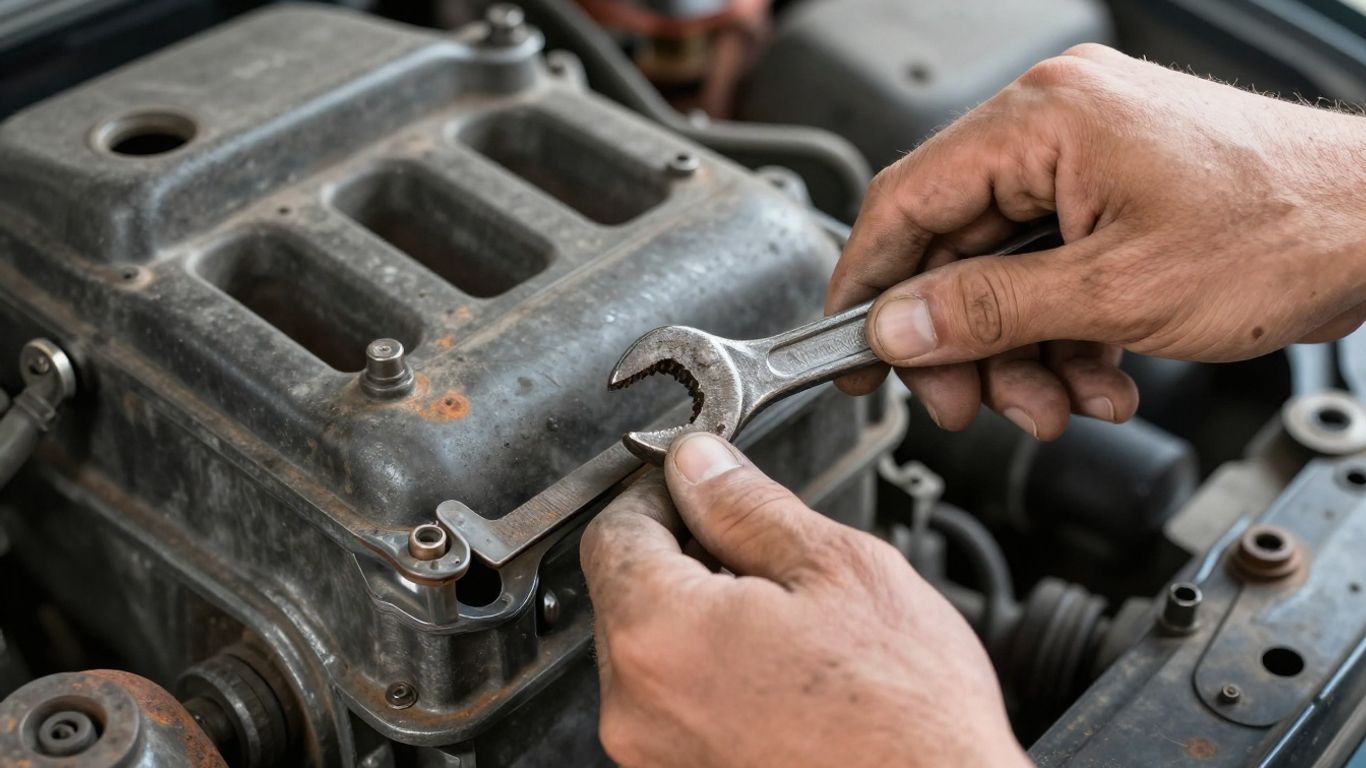
Visual and physical confirmation is vital when you are purchasing second-hand vehicle parts to ensure they meet safety standards. Never assume a part is functional simply because it appears clean; internal wear and hidden stress points can easily be overlooked by a casual observer. Conducting a thorough evaluation protects your investment and ensures that your vehicle remains consistent in its performance.
Checking for hidden structural damage
Structural integrity is non-negotiable when dealing with chassis components or suspension brackets. Inspect the metal for signs of stress fractures, rust, or uneven surfaces that suggest a prior collision. Take your time to run your fingers over these areas to detect irregularities that might indicate the part was compromised during the vehicle’s lifespan.
Verifying electrical component integrity
Modern vehicles are heavily reliant on sensitive electronic systems that can be prone to intermittent failures if they have been stored poorly. Look for corroded pins, frayed housing, or evidence of water ingress which can lead to catastrophic failure. Ensuring the wiring harness is intact and free from heavy oxidation is just as important as the electronic device itself.
Assessing wear on mechanical assemblies
To determine the lifespan remaining in a mechanical unit, rotate the assembly to feel for grinding noises or excessive play. If you are examining a critical assembly, compare it against the specifications for a new unit to gauge how much life is left. A quick audit of the components you evaluate will look like this:
| Item Category | Inspection Focus | Success Metric |
|---|---|---|
| Transmission | Gear fluidity | Smooth shifting |
| Suspension | Joint movement | No vibration |
| Alternator | Pulley tension | Quiet operation |
Maintaining a systematic approach minimizes the risk of installing a faulty component that could jeopardize your vehicle’s overall reliability.
Navigating the specific needs of a Tiggo 4
Success in finding parts lies in knowing your vehicle’s technical language and specifications down to the exact manufacturer identifier. The Tiggo 4 requires precise matches to function correctly, particularly when dealing with computer modules or engine-specific components. Understanding these details ahead of time makes you an informed buyer who avoids common pitfalls.
Identifying correct model years and trims
Being aware of your vehicle’s specific model year and trim level is essential for ensuring that parts bolt on correctly without modifications. Different years may feature subtle changes in sensor placement or mounting points that are easy to miss. Check your manufacturer sticker inside the door frame to verify these details before heading out to a yard.
Cross-referencing part numbers with compatible Chery models
Many parts are shared across the company’s lineup, so cross-referencing your part number can open up more procurement possibilities. For those looking for official guidance, Chery Main North provides genuine spare parts that strictly meet original equipment specifications. By using these exact part numbers, you can search for salvage parts that share the same engineering standards.
Understanding common failure points in the Tiggo 4
Focusing on items that are known to reach their service limits can save you from unnecessary diagnostic costs. Keep an eye out for components that typically experience thermal stress or standard wear-and-tear as the vehicle enters higher mileage. Addressing these points proactively is much more efficient than waiting for a full system breakdown on the road.
Negotiating prices with Adelaide salvage yards
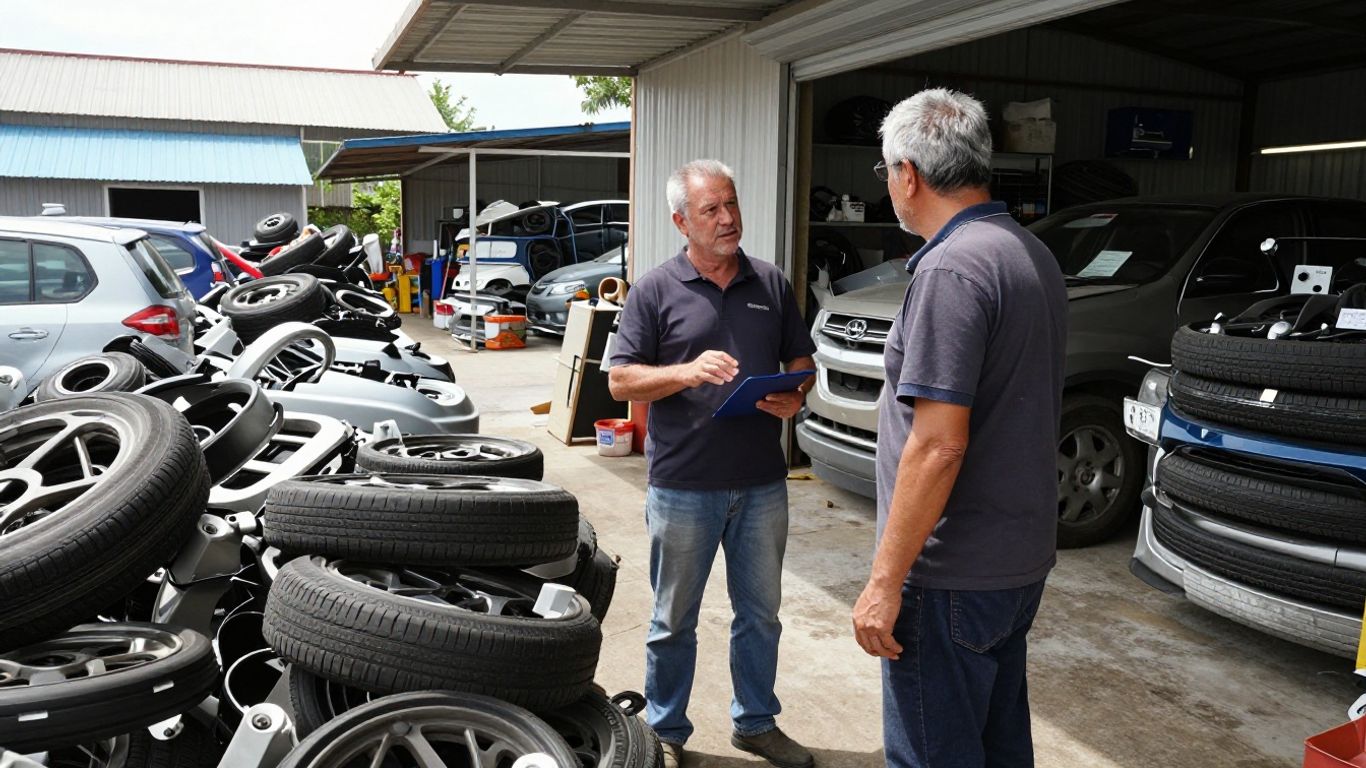
Negotiating the price of a used part in Adelaide is common practice if you arrive prepared with knowledge of current market values. Maintain a professional tone, as salvage yard operators are more likely to offer a fair deal to respectful customers with clear objectives. Understanding the reality of the market allows you to approach discussions with confidence.
Researching current market value for spare parts
Before you start negotiations, check the average price for the part you need across multiple online platforms. This provides a baseline, ensuring you do not pay a premium when a more reasonable price is standard among local suppliers. Knowing the value helps you recognize when you are getting a good deal versus when you should keep looking.
Leveraging bulk purchases for better discounts
If your vehicle requires several related parts, ask about a bundled price for the entire set of needs. Often, a salvage yard operator will reduce the total cost if they can clear their inventory of multiple items at once. This strategy is mutually beneficial for both the buyer looking for value and the seller looking for space.
Understanding return policies and warranties for used items
Before finalizing the exchange, clarify the return policy for the specific item you are purchasing. Most reputable yards provide a short-term warranty against functional failure, but it is important to confirm exactly what that covers. Having this agreement in writing or clearly stated on the receipt is a critical step for your peace of mind.
Essential tips for local part installation
Installing your own parts can be highly satisfying, provided you take a measured approach to the work. Ensuring you have the right tools and a clean space to operate is half the battle in successful vehicle maintenance. Always respect the complexity of your vehicle’s design and prioritize safety over speed.
Gathering the right tools for common replacements
Before diving into the actual mechanical labor, take a moment to assemble the necessary equipment for the job. Having the right tools saves you from unnecessary stress and prevents potential damage to delicate fasteners. Keep these essentials on hand for most routine jobs:
- Metric socket set ranging from 8mm to 19mm
- High-quality torque wrench for precision mounting
- Durable work gloves and protective eyewear
- Magnetic pickup tool for tight clearances
- A reliable vehicle service manual or digital guide
Deciding between DIY and professional installation
Be honest with yourself about your mechanical comfort level when decided how to proceed. While installing basic interior trims is manageable for most, anything involving braking systems or engine timing requires professional expertise to ensure safety. There is no shame in knowing when a job requires a licensed mechanic’s touch to guarantee the vehicle’s long-term integrity.
Ensuring safety during the dismantling process
Safety should dictate every action you take when working on your vehicle, especially when you are supporting the car with jacks or stands. Always use jack stands meant for the weight of your vehicle and never work on a car supported by a hydraulic jack alone. When disconnecting electrical components, ensure the battery is fully isolated to prevent accidental shorts.
Leveraging online tools for local inventory searches
Digital resources have revolutionized the way local wreckers report their stock, making it much simpler to scan available parts in real-time. By connecting to these networks, you stay alerted to new vehicles entering the local ecosystem that might contain the very item you have been searching for. This connectivity transforms a potentially long and frustrated search into a targeted, efficient operation.
Using inventory lookup portals for South Australian wreckage databases
Many digital portals connect you directly to the inventory of multiple yards in South Australia at once. This centralizes your search and helps you identify which specific location has the item in stock. By filtering for your model year, you can quickly see which yards are worth a visit, saving you multiple trips across the city.
Setting up alerts for new vehicle arrivals
Some inventory websites allow you to set automated notifications for whenever a certain car is dismantled. By setting up these alerts, you ensure that you are among the first to reach out when a donor vehicle becomes available. This is a game-changing tactic for finding harder-to-procure or high-demand components that sell out quickly.
Utilizing local social media groups for specific requests
Community-based platforms often provide a faster outcome for niche parts than traditional databases. Post a clear, detailed request in local motoring groups, specifying your needs and what you have already tried. Members of these communities are often happy to share where they recently saw a vehicle that matches your requirements.
Conclusion
Securing quality used components for your Tiggo 4 does not have to be an overwhelming task if you use the right combination of local connections and online research. By staying diligent with your inspections and keeping your technical requirements clear, you can keep your vehicle running reliably while managing your overall maintenance costs. Remember to always prioritize safety in your installations, and utilize the resources available to help you navigate the Adelaide market effectively.
Frequently Asked Questions
Can I use parts from other Chery models?
Some parts are shared across the Chery lineup, but you must always verify the exact part number before attempting an installation to ensure compatibility.
How do I know if the part is safe to use?
Perform a detailed visual inspection for corrosion, stress fractures, or wear, and test the function of the unit if possible before completing your purchase.
Are used components covered by any warranty?
Many reputable salvage yards offer limited warranties for used items, so ensure you ask for the specific terms before you pay for your part.
How can I check if a salvage yard is reputable?
Look for businesses that have clear return policies, professional customer communication, and positive interactions in local automotive community groups.
Is it better to buy parts online or in person?
Buying in person allows you to inspect the quality before purchase, while online searching saves you time and gas by showing you exactly where the part is located.
Do I need special tools for removal at a yard?
If you are planning to remove a part yourself, most yards require that you bring your own basic tool kit, including wrenches and sockets, to handle the labor.
How frequently should I check local inventory?
Monitoring major dealership websites or inventory portals once or twice a week is usually sufficient to stay ahead of the curve regarding new vehicle arrivals.