Key Takeaways
Finding affordable replacements for your vehicle is common for budget-conscious drivers. By exploring the secondary market, you can effectively maintain your car while minimizing expenses.
- Prioritize reputable wreckers to ensure part reliability.
- Always cross-reference part numbers before finalizing a purchase.
- Understand that used components often vary significantly in condition.
- Utilize local dealer networks for occasional high-quality takeoff items.
- Confirm warranty terms before completing any transaction.
Why you should consider buying used Chery parts Perth
Opting for secondary market components offers a practical approach to vehicle maintenance in Western Australia. Many owners find that these parts provide an excellent balance between performance and affordability, especially when budget constraints are a primary concern.
Cost savings compared to new dealership pricing
When you buy used Chery parts Perth, the financial advantages are immediate. Dealership prices for brand-new components can often be high, but salvage yards regularly offer parts at a fraction of that cost, allowing you to restore your vehicle without breaking the bank. This makes it easier for owners to handle routine repairs even when the total bill would otherwise seem daunting.
Environmental benefits of sourcing recycled automotive components
Choosing recycled parts supports a circular economy within the automotive industry. By salvaging functional items from end-of-life vehicles, we reduce the demand for raw materials and energy-intensive manufacturing processes associated with new inventory.
Accessing hard-to-find genuine parts for older Chery models
Older vehicles often face discontinued production cycles, making specific parts difficult to source. Wrecking facilities essentially serve as an archive for genuine used Chery spare parts, helping owners keep legacy models on the road for significantly longer than they might otherwise expect.
Identifying reputable wreckers and suppliers in Perth
Navigating the world of automotive salvage requires a discerning eye for quality and established credibility. You want to ensure that the supplier you choose operates ethically and maintains a standard of quality that guarantees the safety of the items you are purchasing for your daily driver.
Vetting local automotive salvage yards for inventory
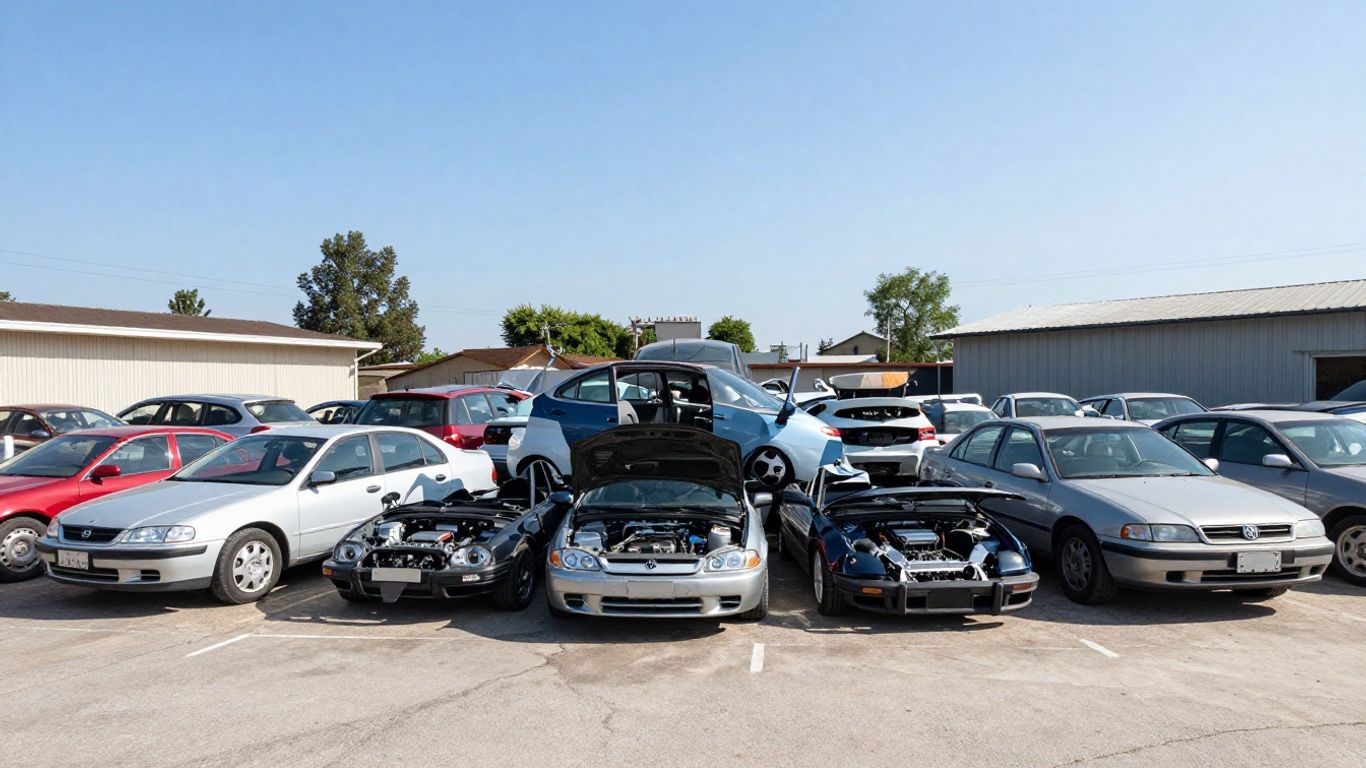
Start by checking if a yard maintains an organized database of their stock. Reputable businesses often use digital inventory systems to track availability, which saves you time and ensures accuracy when you need to buy used Chery parts Perth in a hurry.
Navigating online marketplaces and classifieds safely
Online platforms can be a goldmine for rare components, but they require a cautious approach. Always prioritize sellers with verified histories, clear photographs of the specific part, and a transparent communication process.
Leveraging local dealer networks for takeoff parts
Occasionally, newer vehicles receive upgrades that result in perfectly functional parts being removed. Connecting with your local authorized supplier can sometimes unearth these nearly-new components, providing a middle ground between aftermarket risk and retail cost.
How to assess the quality of used Chery components
Determining the condition of a salvaged part involves a mix of technical verification and simple observation. Taking the time to inspect items properly ensures that you avoid unnecessary mechanical headaches later on.
Cross-referencing manufacturer part numbers for compatibility
Compatibility is strictly determined by the manufacturer’s specific coding. To ensure your repair is successful, verify that the serial number on the donor part perfectly matches your vehicle’s factory requirements.
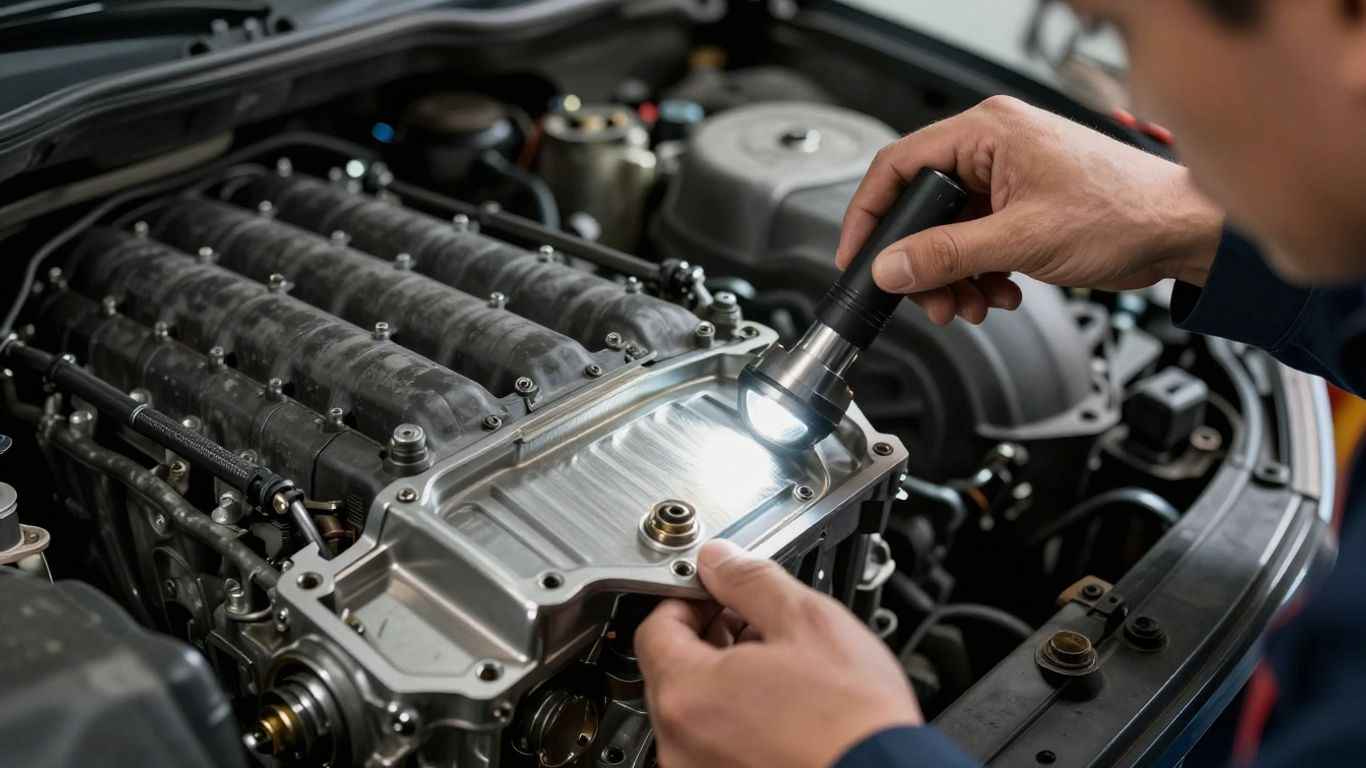
Conducting physical inspections for wear and structural integrity
Even if a part appears functional, subtle signs of stress can indicate early failure. The following inspection steps help you confirm that the component is reliable:
| Component Type | What to Inspect | Priority Level |
|---|---|---|
| Suspension | Bushing condition and rust | Critical |
| Engine block | Oil residue and cracks | High |
| Exterior panels | Paint matching and alignment | Medium |
Interpreting donor vehicle history and mileage details
Understanding where a part came from tells you about its expected lifespan. Low-mileage donor vehicles, such as those found through John Hughes for modern pre-owned listings, often feature components with significantly more remaining utility.
Navigating pricing and transaction terms
Financial clarity is essential when dealing with recycled goods. Establishing a fair price requires awareness of the current market and the specific condition of the individual part.
Establishing fair market value for recycled spare parts
Researching comparable sales online gives you a baseline for what you should expect to pay. Always remember that parts with documented service history often command a slightly higher but justifiable premium.
Negotiating tiered discounts for bulk component purchases
If you are undertaking a larger restoration, discussing a bulk purchase with a wrecker can lead to substantial savings. Most suppliers appreciate the efficiency of a single transaction for multiple items and are often willing to adjust their total pricing accordingly.
Understanding return policies and limited part warranties
Before you pay, confirm exactly what happens if the part fails shortly after installation. A reputable seller should clearly explain their return policy, ensuring you aren’t stuck with an unusable component.
Best practices for installing reclaimed Chery parts
Proper installation is the deciding factor in the performance and longevity of any used item. Even the best-sourced component can fail prematurely if it isn’t integrated into the vehicle correctly.
Coordinating with mechanics familiar with Chery engineering
Working with a professional who understands the specific mechanics of the brand ensures proper fitment. They can also identify issues that a standard novice might miss during the repair process.
Conducting rigorous safety testing after installation
Never assume a part is ready for highway use immediately after it is installed. Perform low-speed tests and monitor for any abnormal sounds or performance lags before returning your vehicle to its full daily routine.
Updating vehicle records for maintenance tracking
Keeping a detailed log of when specific parts are replaced, particularly when using reclaimed stock, is essential for future diagnostics. This documentation serves as a reliable maintenance tracking guide for your vehicle’s history.
Conclusion
Securing quality recycled components for your vehicle is a sustainable and cost-effective strategy that helps keep your car performing reliably on the road. By following these sourcing and installation standards, you can confidently navigate the repair process while maximizing your overall value.
Frequently Asked Questions
Is it safe to use recycled parts for engine repairs?
It is generally safe provided that you verify the component’s history, check for visible wear, and ensure the part was professionally removed from the donor vehicle.
How do I know if a part will fit my specific model year?
Always use the manufacturer’s part number rather than relying on visual similarities, as even slight design changes between production years can affect compatibility.
Do used parts come with any kind of warranty?
Many professional wreckers provide a limited warranty or return policy, though the terms depend entirely on the specific seller and the condition of the individual item.
Can I find parts for vehicles that are no longer in production?
Yes, the salvage market is arguably the most reliable source for components for older or discontinued models, as these inventories are preserved even after dealership supply chains close.
Should I always choose genuine OEM parts over aftermarket alternatives?
Genuine parts are engineered to meet original technical specifications, which often provides the best fit and performance, although high-quality aftermarket options can occasionally serve as a suitable substitute.
How can I verify the mileage of a donor vehicle?
Ask the seller for the vehicle identification number or the odometer reading from the donor car at the time of processing to get an accurate assessment of the part’s usage.
What should I look for during a physical inspection?
Look for signs of excessive rust, unusual oil deposits, damaged electrical connectors, or any structural deformation that could signal the part was subjected to extreme stress.