Key Takeaways
Finding the right components for your vehicle doesn’t have to be a struggle. Follow these primary steps to manage your maintenance effectively:
- Visit authorized dealers for genuine factory-backed components.
- Utilize verified online databases to cross-reference part numbers.
- Always inspect used parts for physical wear before the purchase.
- Check VIN compatibility to ensure a perfect mechanical fit.
- Compare shipping costs against local pickup to maximize savings.
Understanding the market for Chery parts in Adelaide
Growth of the Chery brand in South Australia
The presence of this automotive manufacturer has expanded rapidly across the region, leading to a higher volume of vehicles on local roads. As more drivers choose these models for their daily commutes, the demand for accessible maintenance components has naturally increased alongside this market growth.
Identifying common replacement parts
Daily wear and tear often dictate the most frequent needs for any driver. Filters, brake pads, and various sensors are typically the first to require attention, and staying ahead of these needs keeps your vehicle running reliably.
OEM vs. aftermarket parts considerations
Choosing between manufacturer-specific components and third-party alternatives involves balancing long-term performance with your immediate budget. Sometimes, the correct technical specifications provided by original equipment can prevent future complications, though reputable third-party options remain a viable path for many owners.
Where to source affordable Chery parts locally

Authorized Chery dealerships in Adelaide
When you require guaranteed precision, visit Chery Main North to view their official catalogue. These locations provide the security of knowing that every item bought is designed specifically for your model, often paired with professional technical support that helps guide your repair process.
Local automotive wrecking yards
For those seeking budget-friendly solutions, wrecking yards are a goldmine for salvaged components. You can look through PartsClub to connect with various regional suppliers who hold recycled inventory, which is often the most cost-effective way to replace non-critical mechanical parts or body panels.
Independent specialty parts suppliers
Specialized businesses can often source hard-to-find items that might be out of stock elsewhere. Reach out to All Good Parts if you need a reliable inventory of tested used components, as their expertise can save you time when navigating through the wide variety of available car generations.
Evaluating the quality of used parts
Inspecting condition and wear
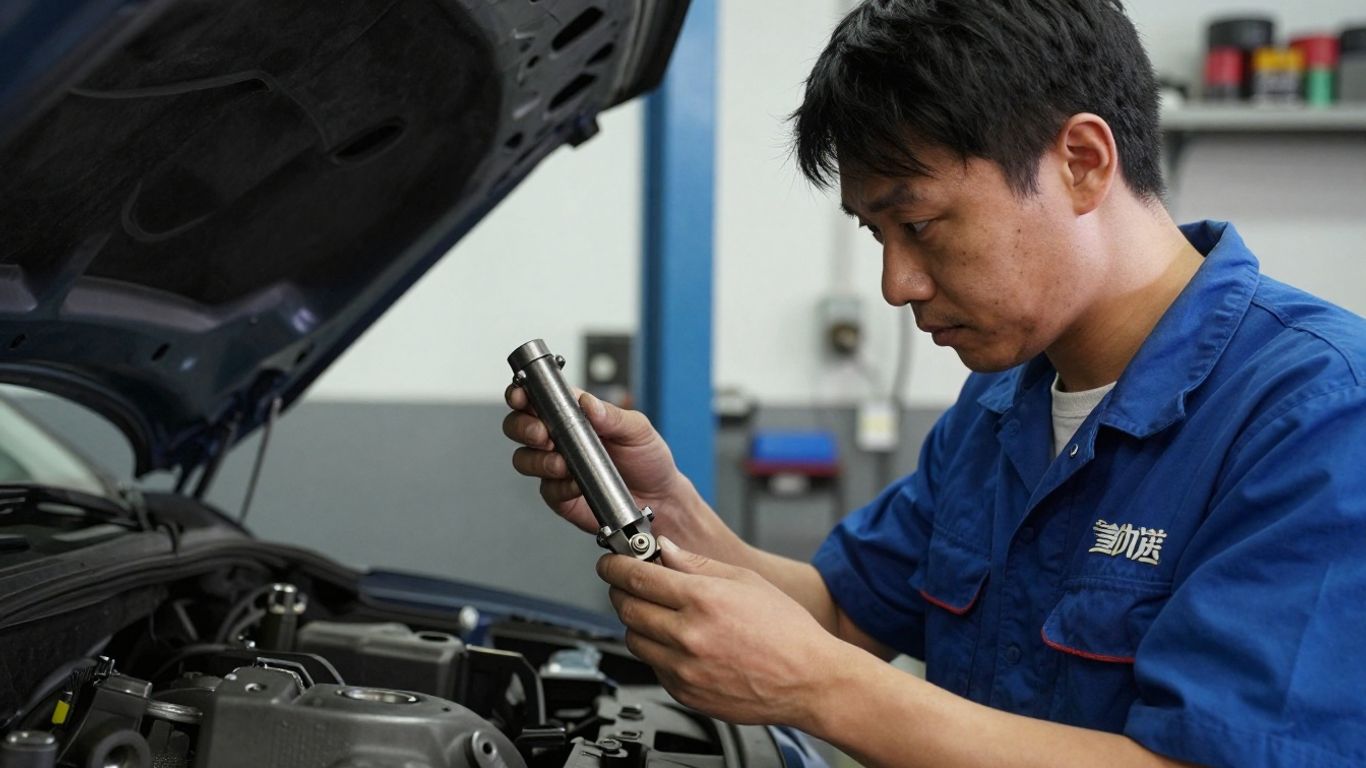
A physical inspection is the most important step before finalize any transaction. Look closely for signs of rust, structural fatigue, or unusual debris that might indicate the part was subjected to extreme conditions during its previous life.
Checking compatibility and VIN validation
Even parts that appear identical to the naked eye may have subtle differences in sensor calibration or mounting hardware. Always run your vehicle identification number through the dealer or supplier’s records to cross-reference exactly which part number matches your specific build date.
Understanding salvage yard warranty policies
Before you hand over your payment, ask for a clear explanation of what happens if the part fails shortly after installation. Most reputable salvage operators will provide a small window of coverage, giving you peace of mind that your investment won’t turn into an immediate financial loss.
Benefits of buying recycled automotive components
Environmental impact of reusing components
Reusing perfectly functional automotive parts reduces the demand for new manufacturing, which in turn lowers the immediate carbon footprint associated with producing, packaging, and transporting new steel and plastic components across the globe.
Significant cost savings compared to new parts
Choosing recycled items typically results in lower expenses for the consumer. The following table provides a rough average for how much you might save on common structural and mechanical repairs by selecting high-quality salvaged parts:
| Part Category | New Product Price | Estimated Used Savings |
|---|---|---|
| Exterior Body Panels | $800 | 40-60% |
| Alternators | $450 | 50-70% |
| Transmission Units | $2500 | 30-50% |
These price differences make it much easier to keep an older vehicle on the road without needing to exhaust your savings account just for basic repairs.
Availability of genuine original parts for older models
Manufacturers eventually stop producing new parts for older model years, making it difficult to find non-generic replacements through traditional retail channels. Recycled parts represent a sustainable supply of genuine components that allow older, reliable vehicles to stay operational long after their official production run has concluded.
Best practices for sourcing parts online and locally
Navigating online parts databases
Online platforms simplify the search process by allowing you to filter by specific model years, engine types, and component categories. This saves you from visiting physical locations that might not have what you need in stock, streamlining your entire repair schedule.
Tips for verifying seller reputation
Always check for recent customer feedback and look for evidence of transparent business practices before committing to a purchase. A well-rated seller will often provide clear photographs of the specific part, rather than relying on stock images, which builds trust before you make any payment.
Logistics of shipping versus local pickup in Adelaide
When ordering your items, you need to decide whether to have them sent directly to your home or mechanic. Consider the following steps to ensure a smooth acquisition:
- Confirm the dimensions and weight of the part to avoid unexpected freight surprises.
- Arrange for a local pickup if you have a vehicle large enough to transport the component safely.
- Verify if the wrecking yard provides a packaging fee for fragile items destined for courier shipping.
- Ensure you have the proper tools at the pickup location to load the part comfortably.
Managing the logistics well ensures that you spend less time handling the moving parts and more time getting your vehicle back into its best functional state.
Conclusion
Successfully sourcing parts requires a balance of research and local networking, but the effort pays off through significant savings and a longer lifespan for your vehicle. By utilizing professional networks and verifying your compatibility needs, you can maintain your car effectively while contributing to more sustainable automotive practices in South Australia.
Frequently Asked Questions
How do I know if a used part is still reliable?
Reliability is best judged by inspecting the part for excessive physical stress and verifying the supplier’s history of testing that specific component before making it available for sale.
Should I buy a used radiator for my car?
Buying a used cooling component requires extreme caution, as it is difficult to determine the condition of the internal channels without specialized testing equipment.
What does OEM stand for when buying parts?
OEM stands for Original Equipment Manufacturer, referring to parts produced specifically by the company that built the original components for your brand.
Do I need a mechanic to verify my part selection?
While not strictly necessary, having a mechanic review the part specifications is a smart way to ensure you are ordering the correct item for a complex mechanical repair.
Can I return a used part if it doesn’t fit?
Return policies vary wildly between salvage yards, so it is vital to inquire about their specific terms and conditions concerning fitment mistakes before completing the checkout process.
Is it safer to buy from a dealership or a wrecker?
Dealerships offer the highest level of guarantee and support, while wreckers offer lower costs for components that have been salvaged from decommissioned vehicles.
Are recycled parts always cheaper?
Most of the time, recycled parts are significantly cheaper than factory-new items, though rare or highly sought-after parts may sometimes command prices closer to the original retail value.