
Key Takeaways
Maintaining a car on a budget requires careful planning and access to the right components. This summary highlights how to navigate the secondary market for automotive spares effectively.
- Sourcing recycled components significantly reduces overall maintenance costs.
- Verifying manufacturing labels ensures you receive authentic hardware.
- Licensed wreckers are safer than unauthorized online sellers.
- Professional installation extends the service life of reused parts.
- Eco-friendly choices promote sustainability in the automotive sector.
Why choose genuine used Chery parts
Cost-effectiveness compared to new OEM components
Choosing recycled components often serves as a practical financial strategy for vehicle owners looking to manage maintenance expenditures without sacrificing quality. While new parts come with a price premium, recycled options offer a fraction of the cost, making them a preferred alternative for budget-conscious drivers.
Compatibility and manufacturing standards
Authentic parts are engineered to meet specific technical requirements, ensuring the perfect mechanical fit for your vehicle. When you select genuine items, you avoid the common pitfalls associated with third-party components that may not align with factory specifications, which is a major advantage when maintaining Chery Footscray models.
Environmental benefits of reusing automotive components
Reusing metal, glass, and electronic housing elements helps reduce industrial waste and minimizes the raw materials demanded by the manufacturing cycle. By choosing to salvage functional components, you contribute to a circular economy that keeps usable materials out of landfills while extending the utility of existing automotive production resources.
Where to find reputable suppliers
Identifying licensed auto recyclers and wreckers
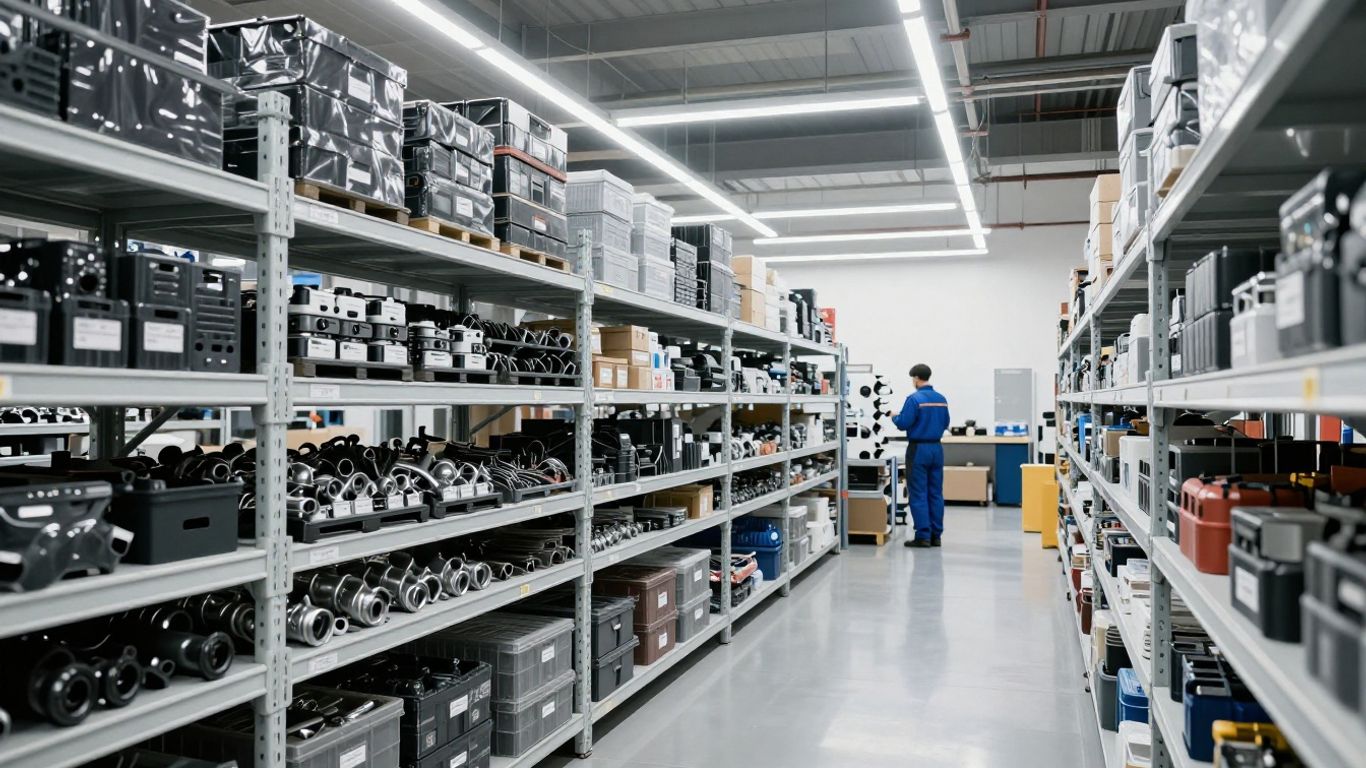
Working with licensed professionals ensures that the items you purchase have been tested and cataloged with industry standards in mind. These businesses prioritize transparency, and their inventory is often tracked to provide historical context on the donor vehicles. Following the standards of a trusted firm like Chery South Africa can help you identify legitimate outlets for your specific repair needs.
Vetting online marketplaces and enthusiast forums
While expansive portals like Alibaba offer vast inventories, vetting remains critical for quality assurance. Before committing to a purchase, examine the reputation of the storefront, confirm the part’s origin, and verify if the seller provides clear shipping terms and condition reports for their listing.
Dealing with specialized Chery dealership departments
Dealerships often maintain their own networks for sourcing older or refurbished components that meet strict quality expectations. Engaging with teams such as Ingham, for instance, allows you to access expertise and inventory that aligns perfectly with your vehicle’s factory requirements, often backed by official support programs.
How to verify legitimacy and quality
Deciphering OEM part numbers and labels
When inspecting a potential purchase, cross-referencing the unique serial codes against the manufacturer database is a vital step. A clearly legible sticker or embossed number is typically a sign of an authentic original component, whereas faded, missing, or altered labels should immediately raise concerns.
| Part Number Status | Indication | Recommendation |
|---|---|---|
| Perfectly Legible | Verified Authentic | Safe to purchase |
| Partially Faded | Potential Wear | Inspect carefully |
| Missing/Altered | Likely Counterfeit | Avoid purchase |
Using these identifiers provides a baseline for evaluating the authenticity of the item, ensuring it matches the specifications of your engine or chassis.
Inspecting visual signs of wear or refurbishment
Physical examinations should focus on stress points, corrosion, and unauthorized repairs. Look for brittle plastic connectors or evidence of tampering with housing seams, which often suggest that a part has reached the end of its useful lifespan or was poorly serviced after failing.
Assessing seller history and transparency
Reliable sellers will willingly answer questions regarding where the item was pulled from and the status of the donor car. If a seller is cagey or fails to provide photographic proof of the item’s condition besides generic stock images, seeking a different provider is usually the safest course of action.
Common Chery components worth buying used
Body panels, doors, and structural housing
These large physical parts benefit the most from a secondary market second-hand purchase because they do not wear out mechanically over time. Sourcing matching doors or hoods from a same-model wreck can often save you thousands while maintaining the original factory finish and alignment features.
Electronic control modules and interior accessories
Interior electronics, such as climate control interface units, are often durable enough for reuse if they were removed carefully from a clean donor vehicle. When buying these items, you should confirm they function based on several factors:
- Ensure the connector pins are straight and clean.
- Check for signs of moisture or water damage.
- Verify software compatibility with your specific model trim.
- Confirm the buttons operate without resistance or sticky feedback.
These minor electronics often represent great value when sourced responsibly, allowing for interior upgrades without the full replacement price.
Suspension components and braking assemblies
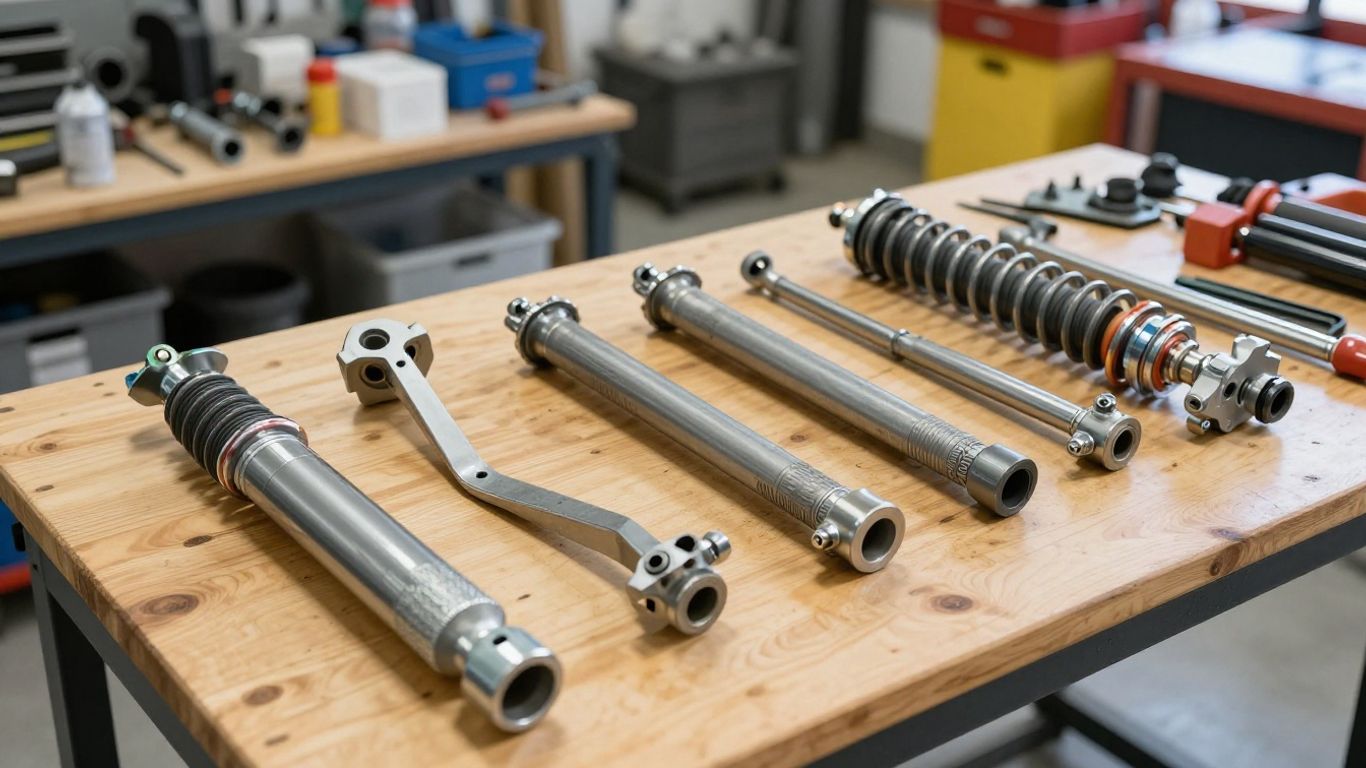
While these items are wear-intensive, specific structural parts like control arms or calipers can be repurposed if checked for structural integrity and metal fatigue. Relying on sources similar to Made-in-China can help you identify high-quality recycled supply chains for these structural heavy-duty assemblies.
Risks to avoid when buying recycled parts
Identifying counterfeit or low-quality aftermarket branding
Be wary of components that mimic factory aesthetics but are constructed from inferior materials. Subtle differences in font, logo placement, or casting quality are often giveaways that a component is a reproduction rather than a reclaimed original, requiring careful visual comparison to ensure reliability.
Understanding return policies and limited warranties
Before finalizing the exchange, always confirm what happens if the part arrives defective or does not match your vehicle. A reputable supplier should offer a reasonable window for testing and returning, as recycled parts inherently carry more variance than brand-new factory-boxed products.
Recognizing the difference between genuine pulled parts and third-party alternatives
Distinguishing between a part pulled directly from a vehicle and an aftermarket substitute involves checking for casting marks that reflect the manufacturer’s original tools. If the fitment seems awkward or requires custom adjustments, it is rarely a genuine factory-engineered item.
Best practices for installation and testing
Professional installation requirements for safety-critical parts
For systems like braking and steering, professional expertise is non-negotiable to ensure the roadworthiness of your vehicle. Handing these tasks to qualified technicians ensures that secondary components are installed with precise torque measurements and proper safety documentation.
Bench testing and initial performance validation
Before fully finalizing the integration, simple bench tests such as verifying a switch’s continuity or checking for leaks in a pump can prevent unnecessary labor. These basic validation steps ensure the time invested in installation is not wasted on a non-functional unit.
Integrating used electronics with existing factory software systems
Modern automotive electronics often require a digital "handshake" with the vehicle’s central computer. Ensure you have the necessary diagnostic tools on hand to recalibrate or sync the module once it is physically installed, as failing to do so may result in error codes or system locks.
Conclusion
Successfully managing your vehicle maintenance by integrating recycled components relies on a combination of diligent sourcing, careful physical inspection, and professional installation. By prioritizing authenticity and verifying that your supplier maintains high standards, you ensure that your vehicle remains safe and reliable while keeping costs within reason throughout your ownership period.
Frequently Asked Questions
Can I use recycled parts on a vehicle still under factory warranty?
Using non-original parts can sometimes complicate warranty claims, as manufacturers might argue that the component contributed to a failure. Consult your specific service agreement before installing recycled hardware to avoid voiding your protections.
What should I look for when checking for heat damage on used electronics?
Check for discolored plastic casings, a distinct burnt odor, or melted solder joints near the power input points. These are common indicators that the unit has been exposed to extreme temperatures, making it a liability.
Is it safer to buy parts from a local yard or an online database?
Local yards allow for hands-on inspection, which is generally superior for judging the condition of used metal and heavy parts. Online databases are convenient for sourcing hard-to-find components, provided you have a clear understanding of the return policy.
Why do some used parts show different serial numbers than my existing ones?
Manufacturers often update part revisions throughout a production cycle, meaning minor variations in part numbers can still be compatible. Always verify with a technical representative whether a newer or older revision will work with your specific chassis number.
Are recycled braking assemblies safe for daily driving?
Some internal components of braking systems should be avoided asused items due to extreme wear cycles, but larger metal assemblies like calipers are generally safe if they are inspected for structural cracks and serviced with new seals.
How can I tell if a paint finish on a used body part is original?
Original factory paint usually shows consistent texture and specific finish qualities that are difficult for standard body shops to perfectly mirror. Feel for the surface quality and check for signs of over-spray on the underside, which indicates a repaint occurred.
What tools are essential for testing used electrical parts before purchase?
A basic digital multimeter is the most important tool, as it allows you to test for basic connectivity and voltage requirements. Even a simple low-cost model can save you from buying a unit with broken internal circuitry.