
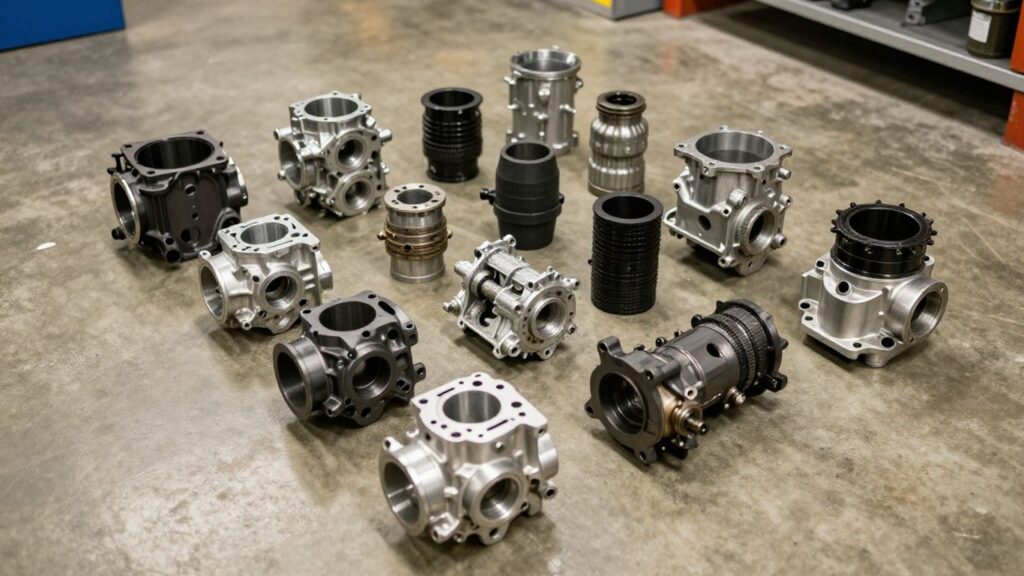
Key Takeaways
Finding J11 parts in Sydney requires understanding the local market and verifying part quality before purchase. These steps ensure you source reliable components for long-term vehicle health.
- Identify genuine parts by checking serial numbers.
- Prioritize local salvage yards for cost-effective repairs.
- Inspect all electrical components for visible wear.
- Research return policies to minimize financial risk.
- Maintain detailed records of all mechanical upgrades.
Understanding the J11 parts market in Sydney
Navigating the automotive landscape for specific model components can feel daunting, especially when trying to maintain efficiency and reliability. The local market for these vehicle parts remains vibrant, thanks to an extensive network of specialized recyclers who inventory everything from engine blocks to interior trim pieces. Successful sourcing begins with a clear plan to distinguish between various grades of salvaged hardware.
Identifying genuine versus aftermarket components
Distinguishing between original equipment and generic replacements is crucial for long-term performance. Genuine parts are designed to meet exact factory specifications, ensuring every bolt and sensor fits perfectly without requiring modifications during installation. When browsing, you should always check for manufacturer branding stamped directly onto the housing or plastic casing.
The role of local wreckers in the supply chain
Local businesses like New Model Wreckers serve as a vital link in the automotive repair ecosystem, providing access to components that might otherwise be discarded. These facilities systematically dismantle retired vehicles, allowing mechanics and enthusiasts to purchase tested sub-assemblies at a fraction of retail dealership pricing. By integrating these businesses, you effectively support a circular economy that extends the lifecycle of older vehicles.
Importance of verifying part compatibility
Ensuring that a component matches your specific build is non-negotiable. Many owners find success by documenting the following details before reaching out to suppliers:
- Vehicle build date and assembly location
- Specific engine code for mechanical parts
- Compatibility matches for modular electrical components
- Original part number printed on current hardware
Verifying these details upfront helps you avoid the hassle of restocking fees. Utilizing databases to confirm part numbers prevents most installation headaches and ensures the replacement functions as intended within your existing electrical or mechanical layout.
Benefits of sourcing used parts from Sydney wreckers
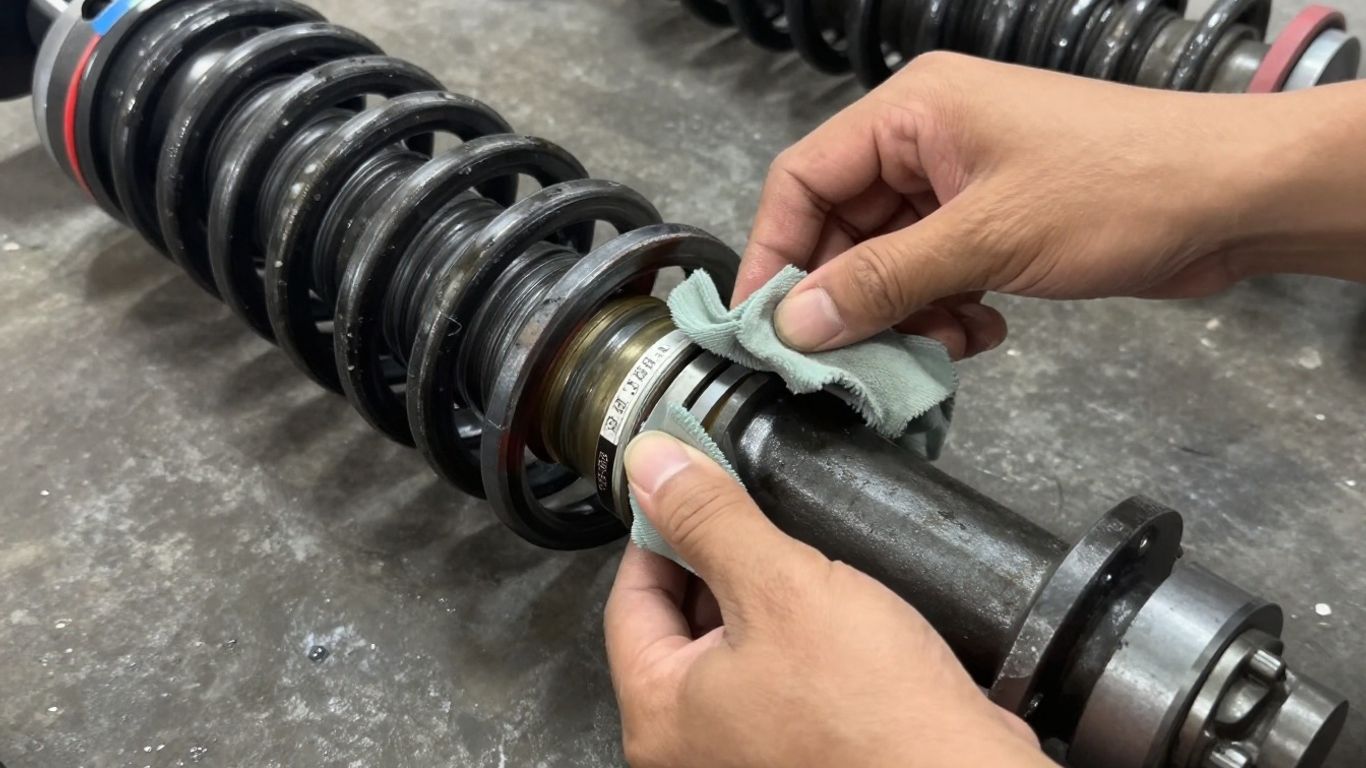
Choosing salvaged components provides an accessible path toward maintaining vehicles that are no longer supported by current dealer inventories. When you focus on parts pulled from reliable Chery J11 4D Wagon stock, you maintain the original engineering integrity of your vehicle. This approach offers a smart balance between fiscal responsibility and mechanical reliability for daily drivers.
Cost-effectiveness for maintaining older vehicle models
Budgeting for major repairs can be stressful, but sourcing reclaimed hardware keeps expenses manageable. Instead of paying a premium for brand-new parts that may share design similarities with older versions, you secure quality components that fit your specific maintenance budget. This allows you to prioritize safety upgrades elsewhere in the vehicle, such as improving braking performance or refreshing suspension bushings.
Reliability of OEM components sourced from scrap vehicles
Original parts, even those sourced from a retired car, are built to last by the manufacturer. They often provide better fitment than budget-oriented aftermarket alternatives, which may occasionally suffer from poor plastic molding or misaligned electrical contacts. Choosing OEM items ensures that the structural and operational balance of your vehicle remains consistent with its original design.
Environmental impact of repurposing automotive parts
By choosing salvage, you actively contribute to a significant reduction in industrial waste. Every transmission, alternator, or trim piece reused is one less item entering a landfill, preserving the energy and raw materials originally required for manufacturing. This approach creates a sustainable habit for car owners who value responsible stewardship alongside practical maintenance.
Essential tips for inspecting used parts before purchase
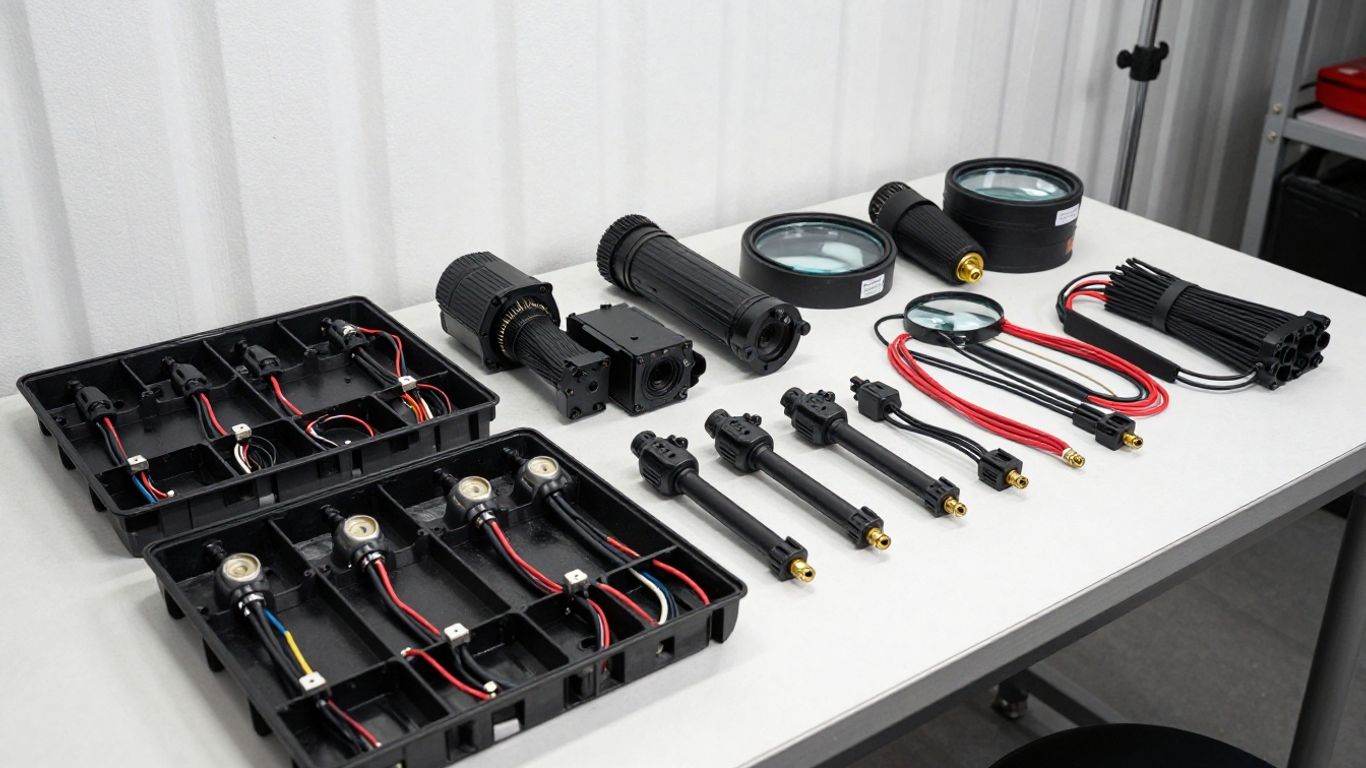
When you finally visit a local facility, active observation determines the success of your project. Whether looking for rare interior trim or a common mechanical assembly, the physical inspection of used parts remains the most reliable indicator of longevity and performance. Do not hesitate to bring necessary tools, like a flashlight or a portable battery tester, to ensure you are getting exactly what you pay for.
Visual indicators of excessive wear and structural damage
Start your check by examining the external condition of the part. Look for stress fractures, deep gouges, or signs of heat exposure that might compromise the material integrity over time. Surface rust is often expected on older items, but invasive structural decay or bubbling paint indicates that the part may have suffered internal damage from previous accidents or environmental exposure.
Assessing the condition of electrical and sensor units
Modern systems rely heavily on sensitive electronics, making their condition a high priority. Examine all connectors for signs of corrosion, melted housing, or frayed wires that could hinder signal transmission. Always cross-check the pin configuration to ensure it matches the harness you are currently using in your vehicle workspace.
| Inspection Point | Priority Assessment | Recommended Action |
|---|---|---|
| Electrical Pin | Clean connections | Verify with a contact cleaner |
| Gearbox Fluid | Color and smell | Inspect for burnt debris |
| Seal Integrity | No cracks | Replace if brittle or stiff |
Taking time to systematically verify these internal sensors and wiring systems prevents expensive rework. If the part appears compromised, it is almost always safer to wait for another unit from reputable sources like Lawson Wreckers rather than attempting a risky repair on a faulty component.
Key questions to ask the salvage yard staff
Engaging with staff at the salvage yard provides important context about the part’s history before it reached the shelf. Ask about which salvage project the vehicle originated from, how long it was exposed to the elements, and if the yard conducted any basic operational testing before dismantling. These insights often reveal more about the item than a visual inspection alone ever could.
Navigating logistics for J11 parts in Sydney
Moving large components across the city requires careful planning. Many enthusiasts prioritize blackjack and slots venues near the harbor for entertainment, but for serious car work, your travel plans should center on reaching reliable supply hubs on time. Whether you opt for a quick in-person visit or coordinate professional freight, the logistics are an essential part of the project timeline.
Comparing in-person pickup options versus delivery services
Choosing between picking up a part yourself or paying for delivery involves balancing time versus expense. In-person pickups allow for a final inspection before payment, which provides peace of mind. Conversely, delivery services in New South Wales are increasingly efficient for heavier items like gearboxes or engines, freeing you from transporting greasy, bulky hardware in a personal vehicle.
Determining which parts require professional logistics
Some components, such as engine blocks or complex suspension assemblies, carry significant risks if moved improperly. These items are best handled by companies specializing in auto-freight who have the proper equipment for palletizing and securing heavy metal. Avoiding DIY transport for these units prevents secondary damage and ensures they arrive at your shop in the same state they left the yard.
Understanding store policies on returns and warranties
Before finalizing the financial transaction, clarify the return policy in writing. Most professional yards understand that sometimes electronic parts do not behave as expected once installed in a different vehicle. Knowing whether you have a 30-day grace period or a limited performance warranty serves as a critical safety net that protects your budget.
Integrating salvaged parts into your vehicle maintenance
Integrating older parts into a modern workflow requires patience and a focus on long-term project stability. Once your new hardware arrives, success depends on how you bridge the gap between fresh and existing systems. Remember to keep citations consistent as you update your service records, ensuring that future mechanics understand the history of every installed assembly.
Deciding between DIY repairs and professional fitting
Some projects are perfect for a weekend afternoon, while others require specialized equipment. Consider the complexity of the job and whether you possess the tools to handle the installation safely. If the task involves critical systems like fuel injection or airbags, hiring an expert remains a sound investment in your vehicle safety.
Best practices for safe installation of structural components
When installing suspension arms or body panels, proper tensioning and surface treatment are vital. Ensure all bolts are torqued according to service manuals rather than just tightened by feel. Applying anti-seize compound to threaded areas can prevent future issues, especially in environments where humidity might encourage rust.
Maintaining records for vehicle service history and future resale
Keeping a digital or physical folder of every part source and date of installation keeps your vehicle history transparent. Using a simple percolator guide for your morning coffee is easy, but tracking complex mechanical changes requires a bit more effort. Detailed records not only reassure you during routine maintenance but can also add value if you ever mention the thorough care taken during your ownership period.
Conclusion
Successfully sourcing and installing J11 parts in Sydney creates a rewarding experience for any dedicated owner. By focusing on verified quality, maintaining clear communication with local wreckers, and staying diligent during installation, you ensure your vehicle continues performing reliably for many more kilometers. This approach respects the history of your machine while building confidence for future repairs throughout your ownership journey.
Frequently Asked Questions
Can I find parts for older J11 models that are no longer in production?
Yes, salvage yards are the primary source for components from discontinued models. These facilities frequently receive retired vehicles, making them the best places to find parts that are otherwise unavailable through standard retail automotive shops.
What should I check for when inspecting a used engine?
Begin by checking for leaks, rotating the engine by hand to feel for resistance, and inspecting the oil for signs of contamination. Verify the manufacturing date and try to obtain as much history as possible regarding the engine’s mileage from the salvage staff.
Is it safer to buy electrical parts new or used?
While new electrical components often come with warranties, used parts are a viable option if thoroughly tested. Always ensure that the connectors are clean and the sensors show no signs of physical damage before installation to mitigate potential issues.
How does humidity affect used car parts stored in Sydney?
High humidity causes faster surface corrosion on metal components, particularly those made of iron or steel. Inspecting parts for oxidation on mounting surfaces is essential, and applying a light protective coating after purchase helps prevent further decay.
Should I install salvaged suspension parts myself?
Suspension work requires specialized tools like coil spring compressors and precise knowledge of alignment. If you lack experience with these critical safety systems, professional installation is strongly recommended to ensure handles and road safety standards are met.
What documents should I keep after buying a used car part?
Keep physical copies of your invoices, receipts, and any information about the source vehicle or warranty terms provided by the seller. These documents are vital if a part fails early or if you need to prove the origin of a component during a later resale.
How can I determine if a part is compatible with my specific J11 variant?
Cross-reference the part number printed on your old component with the replacement item. You can also consult online forums, original factory service manuals, or the salvage yard’s database to confirm fitment based on your vehicle’s VIN and production year.