Key Takeaways
Understanding the wrecking landscape for your vehicle helps streamline repairs and responsible disposal. This guide highlights essential steps and considerations for managing your J3 hatch.
- Professional wrecking centers provide sustainable recycling paths.
- Accurate vehicle identification is crucial for part verification.
- Local Brisbane services contribute to circular economic growth.
- Preparation significantly simplifies the vehicle handover process.
- Adhering to Queensland safety regulations ensures legal compliance.
The basics of J3 hatch wrecking in Brisbane
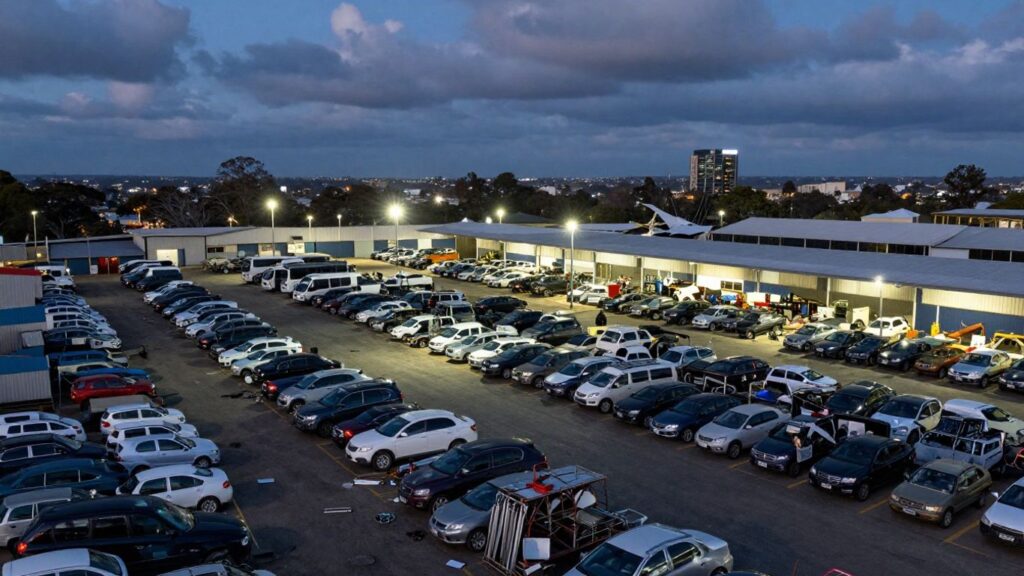
The process of parting out a car is more than just stripping metal; it represents a systematic approach to resource recovery. Professional wrecking facilities utilize specialized equipment to extract components that remain functional, ensuring that raw materials are sorted for recycling while reusable parts find a second life on the road.
Defining the vehicle dismantling process
Specialized teams carefully assess every vehicle to identify which systems are still operational. They systematically remove engines, transmissions, and electrical components, ensuring that sensitive materials are handled without causing environmental damage. This professional methodology ensures that the J3 hatch wrecking Brisbane market remains sustainable for future car owners.
How local wreckers determine vehicle value
Experienced operators evaluate a car by its age, the condition of its core mechanical parts, and the current request rate for specific components. They look for vehicles that offer high-value parts, such as intact interiors or functional engine blocks, to maximize the utility of every unit brought into their facility.
Understanding the market demand for J3 parts
Owners often seek reliable, budget-friendly components to keep their daily drivers running without high overhead costs. We see a strong pattern where people look for PartsOnline to source specific items like body panels and switches that are no longer supported by new factory lines. By participating in this ecosystem, you contribute to a system that extends the longevity of vehicles across Queensland.
Key benefits of choosing local wrecking services
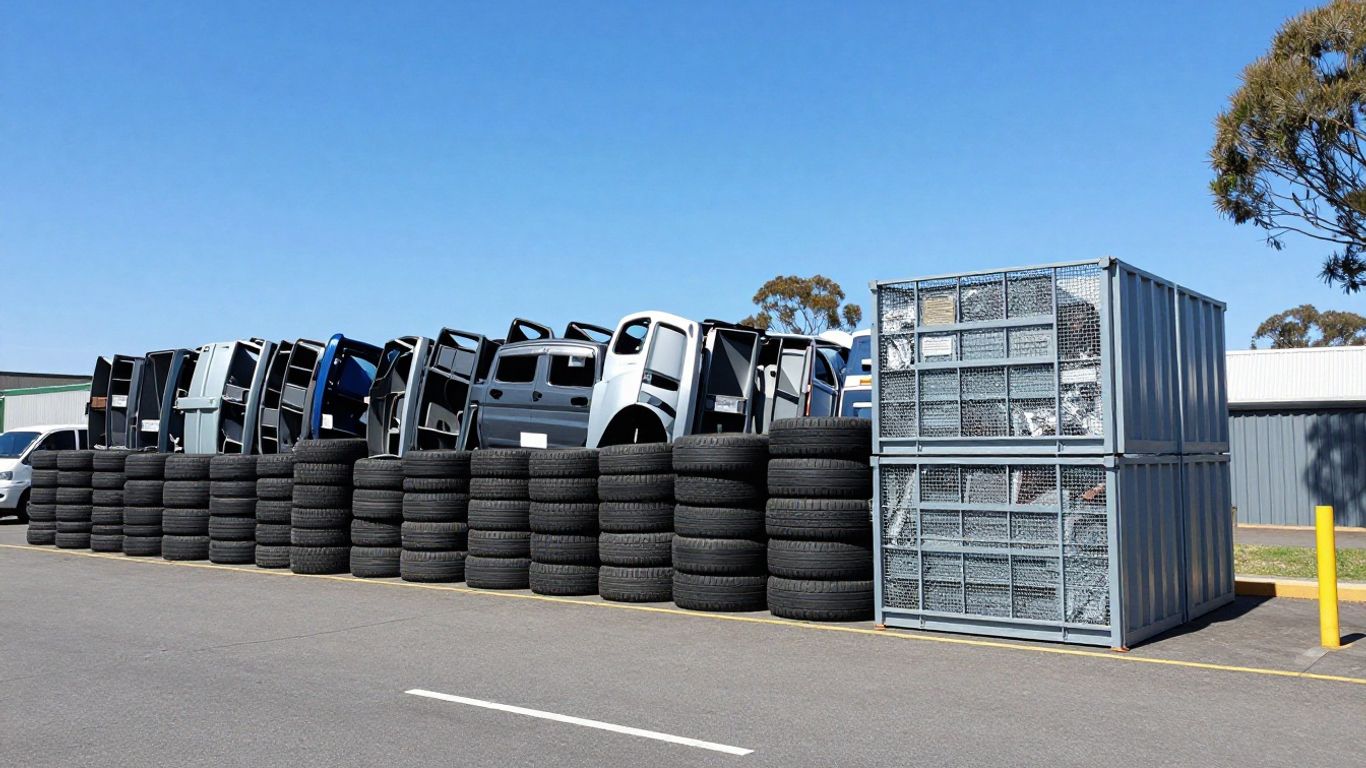
Choosing a local facility near your home base significantly limits the carbon footprint associated with logistics and transport. When you work with nearby partners, you avoid the complications of long-distance shipping and support regional infrastructure dedicated to automotive sustainability.
Reducing your environmental footprint through recycling
Recycling automotive steel and aluminum keeps valuable metals out of landfills, which is a major win for the local environment. By stripping a retired vehicle of its fluids and plastics properly, wreckers prevent harmful substances from leaking into the soil and local water tables.
The following table illustrates the material breakdown of a typical salvaged vehicle:
| Material Type | Percentage of Weight | Recyclability |
|---|---|---|
| Steel and Iron | 65% | High |
| Plastics | 10% | Medium |
| Aluminum | 8% | High |
This distribution highlights why recycling programs are essential for modern industrial efficiency and minimizing waste across the Brisbane region.
Saving money on genuine automotive components
Opting for salvaged parts often makes the difference between an affordable repair and expensive garage fees. Many car enthusiasts utilize ACM Parts to find quality components at a fraction of the cost you would pay for new aftermarket or dealer-supplied versions.
Economic advantages for the Brisbane community
Wrecking services act as a hub for local labor, creating stable jobs while keeping costs down for regional drivers. These facilities support a network of mechanics, transport drivers, and parts specialists who maintain the operational health of thousands of vehicles in our area.
Tips for sourcing high-quality J3 hatch spare parts
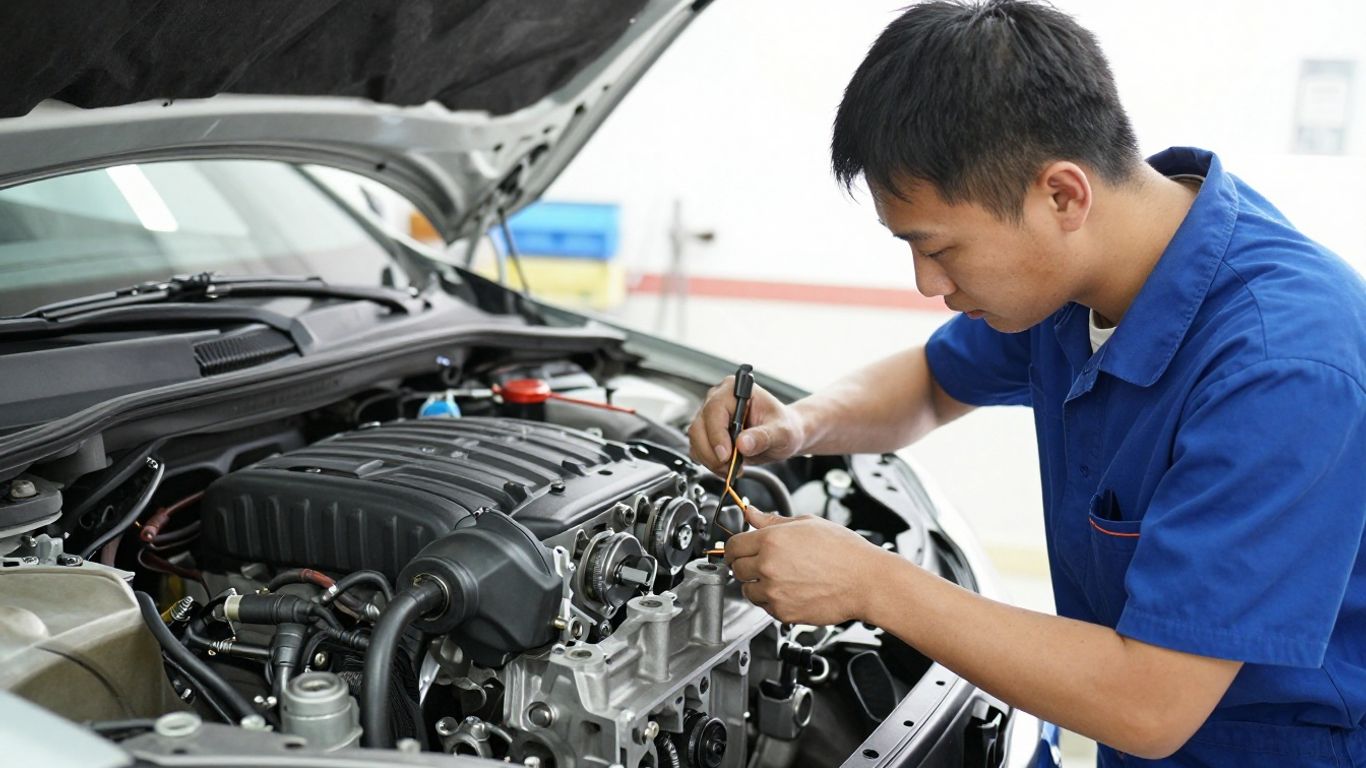
Shopping for used components requires attention to detail to ensure you receive a part that performs reliably. Taking the time to cross-reference technical data is a smart way to save money while avoiding the common pitfalls of ill-fitting replacements.
Verifying part compatibility for your specific model year
Always ensure that the donor vehicle matches your requirements, as slight variations between production runs can lead to mounting issues. Consult with JJ Auto Parts if you are unsure about technical specifications for different production batches, as their inventory database helps eliminate guesswork during the sourcing phase.
Inspecting used components before completing a purchase
Before you pay, look closely for signs of wear, stress cracks on plastic housings, or corrosion on terminal points. If you are picking up the part locally, request to see it in person so you can feel the quality of the finish and check the fitment of any movable linkages or latches.
Checking for warranties or return policies on salvaged parts
Reliable operators provide a safety net if a part fails shortly after installation. It is always wise to ask about return timelines and whether the business offers any labor protection, which ensures you aren’t stuck with a non-functional item.
If you find yourself managing logistical friction at a job site, remember that proper planning—described in industrial logistics and management—can be applied even to smaller scale automotive projects.
Preparing your J3 hatch for a wrecker
Getting a vehicle ready for its final stop requires a bit of logistical effort on your part to ensure nothing important is lost. By following these steps, you ensure that the hand-off goes smoothly and that the facility can process the vehicle without delays.
Removing personal belongings and sensitive documentation
Take a final walkthrough of the cabin to clear out items like service manuals, registration stickers, or personal paperwork that might contain identity details. Check under seats and inside the glove box, as these are common spots where owners accidentally leave small valuables.
Gathering necessary proof of ownership and identification
You are legally required to provide documentation to show you have the authority to scrap the vehicle. This typically requires clear evidence of the VIN, your driver’s license, and occasionally a transfer form if the car is still registered in your name.
Disconnecting aftermarket accessories or non-factory additions
If you added specific equipment like custom stereo systems or specialized lighting, take these items out before the wrecker arrives. To make this process easier, you should follow a checklist approach to your removals:
- Undo all wiring connections for sound systems.
- Unscrew custom dashboard mounts or storage trays.
- Verify all personal items are removed from the trunk space.
- Take a final photo of the vehicle condition as it stands.
By systematically preparing your car, you protect your own interests and help the wrecking team stay efficient during the intake process.
Navigating legal and safety requirements in Queensland
Compliance with local state laws is non-negotiable when disposing of motorized transit. Queensland has strict rules regarding the handling of hazardous wastes that arise during the dismantling process, and legitimate operators must follow these protocols to keep their licenses active.
Queensland transport disposal and registration regulations
Canceling your registration is a critical step that should be performed through the department of transport immediately after the car is taken away. Failing to do so can result in unnecessary tax or insurance obligations even after you no longer possess the property.
Ensuring professional handling of automotive hazardous fluids
Engine oil, brake fluid, and coolant are toxic to the environment if they are not drained and stored in leak-proof, segregated containers. Facilities in Brisbane are subject to regular audits to confirm that these fluids are sent to designated disposal centers rather than being dumped into local sewage systems.
Importance of using fully licensed salvage facilities for scrap
Working with an accredited business ensures that your vehicle is tracked properly through the state system. This prevents your car’s components from ending up in illegal disposal sites where they might cause long-term environmental degradation.
Conclusion
Choosing to recycle your J3 hatch through a reputable Brisbane wrecker is a responsible decision that benefits both your wallet and the local environment. By identifying professional service providers, verifying part quality, and ensuring all legal documentation is in order, you transform a retired asset back into a useful supply chain of components. This process keeps our roads safer and ensures that valuable materials are reclaimed efficiently, ultimately supporting a sustainable, circular economy for all vehicle owners across the region.
Frequently Asked Questions
Is it difficult to find engine parts for a J3 hatch locally?
Finding engine components is generally straightforward because many salvage facilities keep detailed digital records of their current inventory, making it easy to identify specific motor units matching your needs.
What do I need to bring when handing over my car to a wrecker?
You must provide valid photo identification and proof of ownership, such as your registration papers or a bill of sale, to verify that you are authorized to provide the vehicle for scrap.
Are there any parts that cannot be salvaged from a car?
While most metal and plastic components are recyclable, items such as certain types of hazardous chemical batteries or highly contaminated insulation materials may require specific disposal methods that differ from standard parts.
How does the price of a salvaged part compare to a new one?
Used parts are almost always significantly cheaper than newly manufactured alternatives, often reflecting a price reduction of forty to sixty percent depending on the specific item and its condition.
Do wrecking yards in Brisbane accept cars that are not running?
Yes, most professional wreckers have tow trucks available to pick up non-operational vehicles, making it convenient to remove a car that no longer starts or has sustained major damage.
Can I remove parts from my car before the wrecker picks it up?
Yes, however you should discuss this with the facility beforehand, as removing major assemblies might affect the quoted value they initially provided for the vehicle.
What happens to the car once all the valuable parts are gone?
After all usable parts are stripped, the hulk is typically crushed and sent to a metal recycling plant, where it is melted down to be repurposed into raw metal for new building materials or car manufacturing.