

Key Takeaways
Understanding the diverse range of vehicles available today is essential for making an informed automotive choice. This guide highlights the key technical and comfort features that define the brand’s current lineup and global reach:
- The global manufacturing footprint spans over 130 countries, ensuring wide access to regional service and support networks.
- Flagship SUV series prioritize a blend of refined handling metrics and intuitive interior technology for modern drivers.
- Advanced hybrid powertrains are currently at the heart of a long-term strategic energy roadmap for the manufacturer.
- Digital integration focused on smart cockpit systems emphasizes driver assistance and connective ergonomics across various models.
- Comprehensive maintenance and service protocols are designed to provide transparency for long-term vehicle reliability and ownership costs.
Overview of the Chery brand and global market presence
The Chery automobile manufacturer has evolved significantly since its inception in 1997, growing from a regional entity into a prominent player on the international stage. By maintaining a focus on technical internal development and licensing strategic production technologies, the company has successfully scaled its manufacturing capabilities to meet diverse global demands. Today, this brand operates as a major industrial group, constantly refining its assembly processes and engineering methodologies to stay relevant in a competitive market.
Historical background and manufacturing evolution
Tracing the origins of the brand reveals a trajectory marked by rapid industrial scaling and the strategic pivot toward creating indigenous automotive solutions. The early development phase involved adapting external chassis and drivetrain designs to build a foundation for future engineering, eventually transitioning into the complex, proprietary vehicle platforms seen today. This evolution reflects a broader commitment to building a self-sustaining technological ecosystem.
Expansion strategies into international markets
Building a presence in over 130 countries requires more than just vehicle sales; it demands a deep integration into local service networks and market-specific consumer preferences. The strategy relies on maintaining reliable supply chains while ensuring that regional dealerships are equipped to handle the unique maintenance needs of a global fleet. This outreach has helped the company establish a stable reputation in emerging and established markets alike.
Reputation for quality and assembly standards
Quality assurance in a large-scale automotive environment involves rigorous testing across every stage of the assembly line. By focusing on consistency, the manufacturer ensures that the end product meets international safety standards regardless of the final destination. The emphasis remains on continuous improvement to keep build quality stable as volumes increase annually.
The Tiggo series: Understanding Chery’s flagship SUV lineup
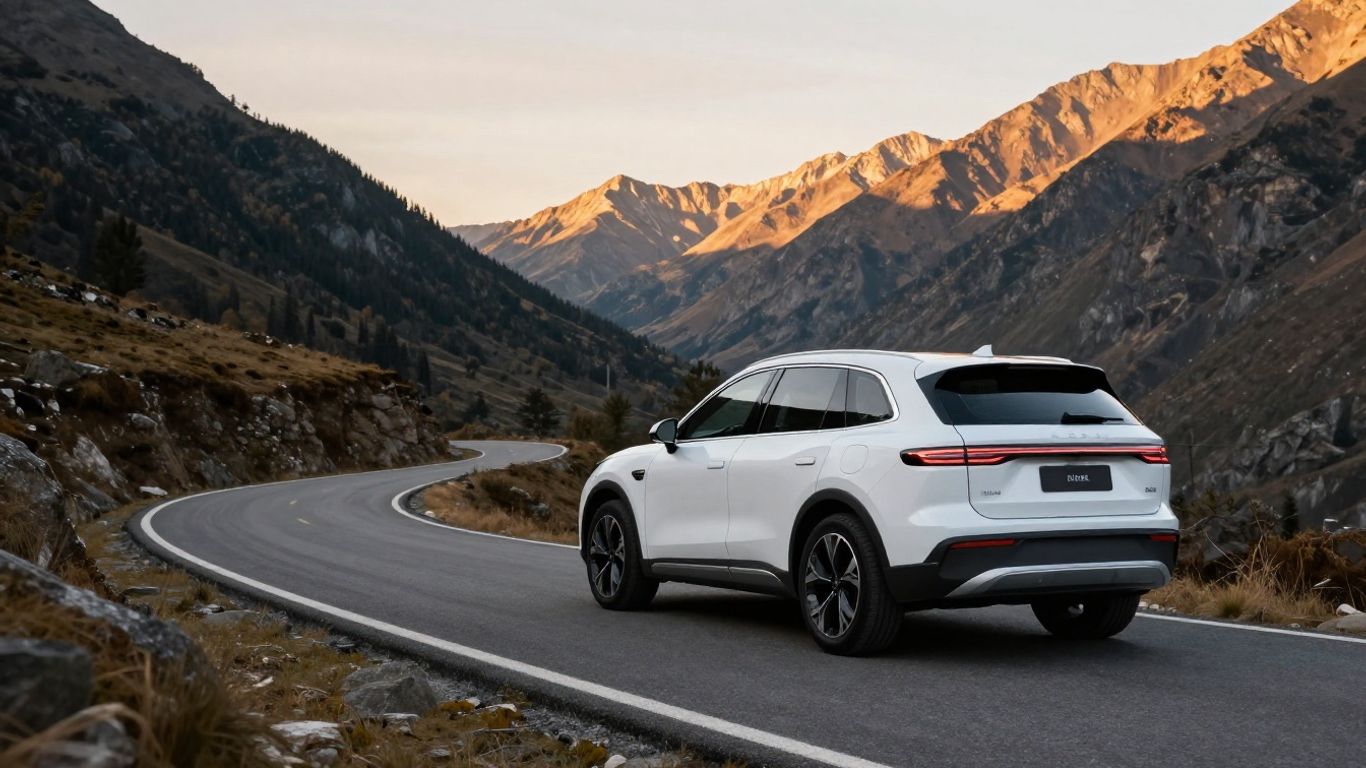
Performance metrics and handling of the Tiggo 8 Pro
Engineers focused on refining the suspension geometry and power distribution to give this model a more predictable feel during highway cruising. By calibrating the power delivery to match common urban driving patterns, the vehicle maintains a smooth transition between acceleration and steady-speed travel. The driving dynamics are tuned to prioritize comfort while ensuring the chassis remains composed over uneven road surfaces.
Compact design and efficiency in the Tiggo 4 Pro
This model is designed to navigate tight city environments while maintaining enough cargo space for errands. The efficiency comes from a powertrain setup that focuses on lower engine load during start-stop traffic conditions. Owners often appreciate the smaller footprint for parking convenience without sacrificing the elevated seating position common in utility vehicles.
Luxury interior integration and technology in the Tiggo 9
The Chery Tiggo 9 stands out as a clear example of high-end interior craftsmanship within the brand’s offerings. By integrating premium materials with sophisticated digital interfaces, the cabin creates an environment that feels disconnected from the noise and distraction of the outside world. The following table provides a breakdown of its key interior specifications related to comfort and control.
| Specification | Detail | Focus |
|---|---|---|
| Cabin Roofing | Panoramic Sky Roof | Light Entry |
| Wheel Design | 20-inch Alloy | Road Stance |
| Connectivity | Smart Integration | Digital Sync |
These design and hardware choices work in tandem to create a user experience that prioritizes physical ease during extended travel.
Innovations in electric and hybrid engine development
Transitioning toward more sustainable power solutions is a major pillar of the current automotive roadmap. The integration of advanced electrification reflects a shift toward lower-emission driving cycles without compromising on the performance expected from a modern vehicle.
Strategic roadmap for new energy vehicles
The focus centers on developing modular platforms that can support both traditional internal combustion and new energy propulsion systems. This approach allows for rapid scaling of technology across different vehicle sizes, ensuring that sustainable driving options remain accessible. Development teams are currently prioritizing energy efficiency at every stage of the propulsion chain.
Battery efficiency and long-range capabilities
Optimizing battery storage requires both chemical innovation and software-level management. Modern vehicles are equipped with systems that monitor temperature and power draw to maximize the usable capacity of every charge cycle. This helps in delivering more reliable mileage for long-distance transit scenarios.
Performance characteristics of modern hybrid powertrains
Modern hybrids are engineered to handle shifting power requirements seamlessly between an engine and electric motors. This synergy creates a fluid and responsive experience during sudden acceleration or low-speed crawling. The system relies on precise timing to engage the most efficient propulsion method available at any given moment.
Smart cockpit features and digital integration

Advancements in infotainment systems and connectivity
Central systems now act as the primary interface for vehicle settings, entertainment, and navigation updates. By incorporating native connectivity tools, the software allows for real-time adjustments and streamlined updates. It is a central point for user interaction throughout the driving experience.
Suite of active safety and driver assistance technologies
Equipping a vehicle with sensors and cameras is necessary for current advanced assistance capabilities. These systems act as a secondary set of eyes, identifying hazards or potential lane deviations before the driver might otherwise react. The implementation follows strict guidelines to ensure that intervention occurs only when deemed necessary, maintaining a secure driving environment.
Ergonomics, materials, and cabin comfort design
Cabin design emphasizes the user’s interaction with the vehicle’s surfaces, including touch points like steering wheels and seating controllers. By selecting materials that pair aesthetics with durability, the interior resists wear during years of active use. The following list highlights essential aspects of cabin layout design:
- Adjustable seat positioning supports natural posture over long periods.
- Strategic placement of controls keeps switches and inputs within easy reach of the driver.
- High-resolution display panels are positioned to reduce glare and distraction during daytime driving.
- Sound-dampening insulation materials are integrated into the door panels for a quieter cabin environment.
Careful consideration of these elements ensures that every drive feels consistent and comfortable regardless of the road conditions.
Ownership experience, maintenance, and vehicle reliability
Taking care of a vehicle involves a combination of routine checkups and long-term planning regarding service networks. The ownership lifecycle is designed to be as clear as possible, providing users with the information they need to keep their vehicle in top condition. This involves specific guidance on intervals and the importance of factory-approved service centers.
Understanding warranty coverage and regional service networks
Warranty structures are set up to provide security for the main powertrain and body components. Having an expansive network of authorized dealers ensures that services can be performed by technicians who understand the specific requirements of the manufacturer’s platforms.
Standard maintenance intervals and cost transparency
Periodic maintenance is the most effective way to avoid unexpected failures and keep major mechanical components operating at peak efficiency. Transparency in these costs helps owners plan their budget effectively over the life of the vehicle, knowing which parts may need attention and when during the standard service schedule.
Long-term reliability and factors influencing resale value
Reliability is tied closely to how well an owner adheres to the maintenance schedule. Factors like body integrity, interior technology longevity, and consistent performance metrics help maintain the value of a car over time, making it a sustainable asset in the long run.
Selecting the right Chery for specific consumer lifestyles
The process of choosing between the available options depends significantly on how the vehicle fits into one’s daily routine. Whether you are navigating dense city streets or planning for weekend adventures, there is a model suited for your specific requirements. Identifying how a vehicle manages space and power is a great start.
Best models for urban commuters and city driving
City-focused models emphasize fuel economy and small turning circles to make parking and lane changes easier. These vehicles often feature responsive infotainment systems and comfortable seating designed for short-duration commutes where alertness is key. Selecting the right size ensures that maneuvering through tight urban traffic remains stress-free.
Family-oriented vehicles prioritizing space and utility
Family vehicles focus on flexible cabin configurations and high safety standards to support various passenger needs. Cargo areas are usually designed to maximize volume, allowing for versatile storage of items needed for school, transport, or vacations. Comfort features in the rear seats are prioritized to keep passengers at ease during longer trips.
Assessing off-road capabilities and adventurous versatility
Vehicles designed for more rugged terrains include chassis reinforcements and more aggressive traction management systems. These enable stable handling on uneven surfaces, providing confidence when the road ends. It is important to match the vehicle’s ground clearance and powertrain capabilities to the kind of outdoor excursions one intends to undertake.
Conclusion
The current lineup of the Chery International brand offers a broad range of solutions tailored to different consumer needs, ranging from urban efficiency to larger family-sized utility. By leveraging a deep understanding of manufacturing, evolving digital cabin technology, and hybrid engine advancements, the company maintains a strong position in the global market. Choosing the right vehicle depends on aligning your own driving habits with the specific performance, comfort, and space capabilities that distinguish one model from another.
Frequently Asked Questions
What are the main benefits of choosing a modern hybrid SUV?
Modern hybrids offer the combined advantages of improved fuel efficiency and reduced exhaust emissions, making them a practical choice for drivers who want to lower their environmental impact without sacrificing long-range convenience. These vehicles typically manage the transition between gasoline and electric power automatically, creating a seamless experience in both stop-and-go city traffic and open highway driving.
How frequent should routine maintenance take place for new vehicles?
Routine maintenance is typically scheduled based on mileage intervals, which are outlined in the manufacturer’s service guide provided with the vehicle. Adhering to these intervals is crucial for preserving the warranty and ensuring that wear-and-tear components like filters and fluids are replaced before they affect performance. Check with your local dealership to confirm the exact schedule recommended for your specific climate and road conditions.
What interior features indicate a high-level digital cockpit?
A high-level digital cockpit is defined by the depth of integration between the infotainment system and the driver assistance tools. Look for responsive touchscreens, voice recognition capabilities, and heads-up displays that project key information directly into the driver’s field of view without cluttering the main instrument panel. These features should work together to make navigation and safety alerts intuitive and easy to follow.
Are there specific models better suited for off-road travel?
Models tailored for adventurous use often feature higher ground clearance, reinforced underbody protection, and specialized suspension tuning designed to handle rougher environments. These SUVs are built to provide better traction on loose surfaces, allowing for safer travel on unpaved roads. Always refer to the vehicle specifications or a technical representative to confirm a model’s off-road rating.
Why does the assembly standard matter in automotive quality?
High assembly standards throughout the manufacturing process ensure that the vehicle exhibits structural consistency, which translates to a quieter cabin and better long-term reliability. Precision in building and testing reduces the likelihood of loose interior fittings or minor mechanical issues that can arise over years of daily exposure to vibration and thermal stress. This commitment to quality is a critical factor in the car’s overall longevity and ease of ownership.
How does safety technology assist the driver in daily traffic?
Safety technology, such as automated braking, lane departure warnings, and proximity sensors, provides a layer of support that helps prevent common accidents by reacting faster than human perception. These systems are especially useful in dense urban environments where sudden stops and tight movements are frequent. Such features serve to augment driver awareness, ensuring that the vehicle remains alert to surroundings even in high-stress traffic situations.
What should I consider when assessing a vehicle’s resale value?
Resale value is heavily influenced by the vehicle’s general condition, the completeness of its service history, and how well the interior technology has held up over time. Keeping detailed records of maintenance and ensuring that the car stays free from significant cosmetic or mechanical issues are the best ways to protect your investment. Choosing a model known for reliability and having a strong regional service presence can also make selling the vehicle later in its life much simpler.