
Key Takeaways
Navigating the secondary market for automotive components requires attention to detail. This summary outlines how to find reliable parts for your vehicle.
- Prioritize reputable suppliers with a history of verified vehicle dismantling.
- Check component compatibility against your specific model year and build date.
- Always inspect mechanical parts for wear or structural damage.
- Leverage local pick-up options to examine heavy parts before finalizing your purchase.
- Ensure all business transactions with salvage yards include a clear warranty policy.
Understanding the salvage market for Chery Tiggo 8
The landscape for used automotive parts in Australia has shifted significantly as more modern SUVs populate our roads. Finding components for your vehicle often means stepping away from traditional retail and into the specialized world of salvage yards. It is about understanding the supply chain that keeps older or slightly damaged models running on the road today. By focusing on Tiggo 8 wreckers Sydney, owners can effectively manage vehicle maintenance without the high costs of brand-new assemblies.
Popularity of the Tiggo 8 in the Australian market
The steady climb in local sales figures has created a massive demand for maintenance solutions that go beyond the showroom. As more of these SUVs reach the secondary market, the infrastructure for supporting them must keep pace. This surge in interest mirrors other consumer trends, such as the popularity of the Signature Solitaire Collection or local entertainment hotspots like the Hot Water Comedy Club that draw crowds in vibrant markets.
Difference between wreckers and standard parts dealerships
Standard dealerships like Rockdale City Chery offer brand-new parts that come with full official support and specific performance warranties. In contrast, wreckers pull components from vehicles that have been written off, providing a much lower price point for parts that are still essentially functional. While one offers the peace of mind of a fresh manufacturing guarantee, the other provides a sustainable and budget-friendly alternative for DIY repairs.
Assessing availability of specific Tiggo 8 components
Finding certain modules or panels often depends on the inventory flow of the scrap yards you contact. If you need rare items, checking online networks that connect different wrecking firms can be just as important as browsing coconut water brands while maintaining your health or reading a Privacy Policy document before using a new service. Consistency is key when searching for specific mechanical bits that require exact matching to your VIN.
Benefits of sourcing used parts from Tiggo 8 wreckers
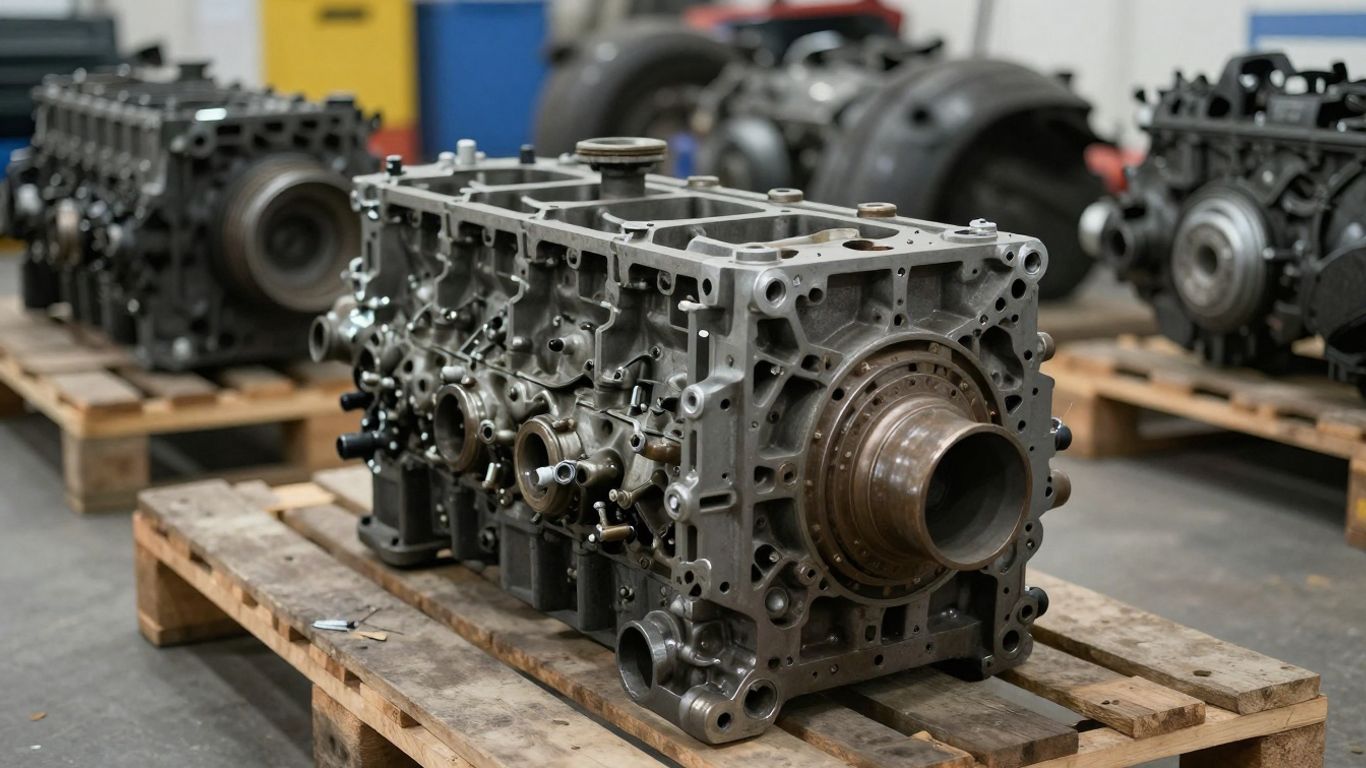
Choosing salvaged parts represents more than just saving money; it is a conscious decision to participate in a circular economy. When you source a part that has been removed from a donor vehicle, you prevent it from becoming landfill waste, extending the life of materials that are still perfectly viable. Many drivers find that the savings allow them to keep their high-end SUVs in pristine condition for years longer than they originally planned.
Cost-effectiveness for budget-conscious repairs
Budgeting for auto repairs is a reality for most households, and buying salvaged components can slash these costs by more than half compared to buying through official channels. This is comparable to the savvy shopping approach used by those hunting for rare Jordan 4 Off-White sneakers, where research pays dividends in value.
Environmental advantages of recycling auto components
Recycling is a pillar of modern vehicle stewardship. When you buy from a professional wrecker, you support a system where steel, aluminum, and plastics are reclaimed rather than discarded. The following table illustrates the typical savings one might see when choosing used components over factory-new items.
| Part Category | Estimated New Cost | Used Market Price | Potential Savings |
|---|---|---|---|
| Tailgate Assembly | $1,200 | $450 | 62% |
| Side Mirror | $400 | $120 | 70% |
| Brake Caliper | $300 | $90 | 70% |
Availability of hard-to-find or discontinued parts
Sometimes manufacturers stop stocking parts for older models, making professional wreckers the only source for original equipment. By tapping into these specialized inventories, you avoid the frustration of being told a part is no longer made or available through mainstream dealers.
How to verify the condition of salvage parts
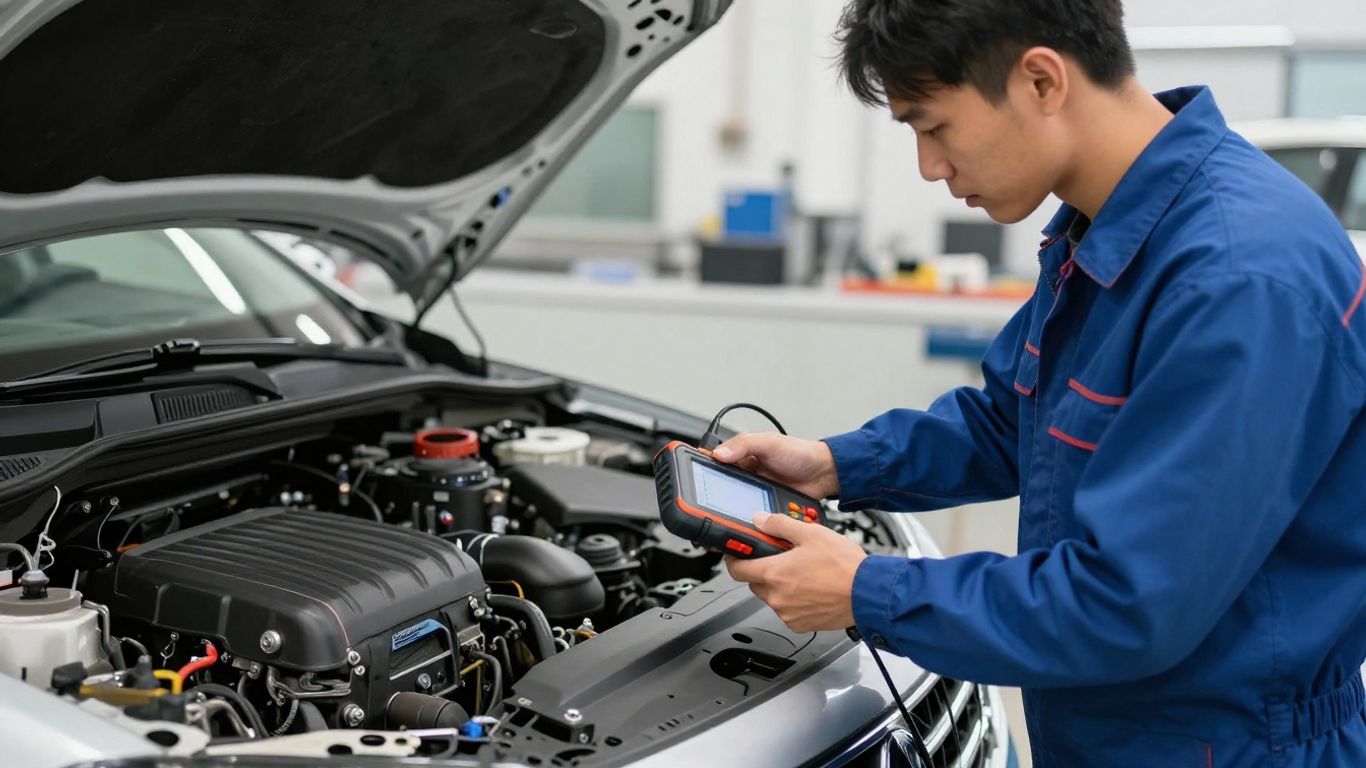
Verification is the most critical stage of the procurement process. You cannot simply trust that a part is functional; you must evaluate its history, usage, and any signs of physical impact that might compromise its utility. By performing these checks, you save yourself the headache of installing a faulty component that needs to be removed again the following week.
Inspecting structural integrity of mechanical components
Before you take a suspension arm or engine block home, look for stress cracks, abnormal rust, or previous damage repair. You need to verify the following checklist for each piece you buy as a precaution:
- Check the metal surface for hairline fractures or excessive oxidation.
- Verify that mounting points and bolts have not been sheared off.
- Ensure bushings or rubber seals remain supple and free of dry rot.
- Confirm the part matches the exact part number from your manual.
Checking digital systems and sensor functionality
Digital modules are notoriously difficult to test outside of a running vehicle. Whenever possible, ask the wrecker if they have performed a bench test or if the donor car was running at the time of arrival. Digital sensors that have been sitting in the weather for too long are prone to moisture ingress, which can cause erratic performance once installed in your car.
Requesting vehicle history or donor car mileage records
Knowing how many kilometers the donor car traveled is a golden metric for assessing component life. If a donor car had unusually high mileage, specific mechanical parts, such as an alternator or a water pump, might be nearing the end of their design life, regardless of their current external appearance.
Essential tips for local pick-up vs. shipping in Sydney
Shipping heavy auto parts requires a logistical plan that includes secure crating and handling. While remote delivery is convenient, local pick-up allows you to verify the item, saving you the risk of receiving something that does not match your expectations upon delivery. Sydney-based facilities often prefer that you see the item in person before transport is arranged to avoid potential disputes.
Evaluating the benefits of inspecting parts in person
Walking into a yard in NSW helps you build a relationship with the technician. Seeing how parts are stored, such as Chery Parramatta might suggest for maintaining quality, gives you a better sense of whether the business values longevity or just throughput. Nothing replaces the confidence boost of checking the fitment yourself.
Negotiating shipping costs for heavy auto components
If you must ship a large component, talk to the sales representative about consolidated shipping. Many yards have established contracts with freight companies and can get better rates for oversized items than if you were to arrange transit independently. It is always worth asking specifically if they can offer reduced rates for bulk parts.
Coordinating logistics for oversized engine parts or body panels
Do not underestimate the difficulty of moving an engine or a hood. These items require specialized palletizing or crate protection, which can add cost, but is non-negotiable for safety. Ensure your receiver has the necessary lift equipment, as delivery drivers often cannot assist in manually offloading a heavy engine block at your residential address.
Legal and safety considerations when buying wrecked parts
Buying used parts involves certain risks regarding safety and accountability. You must confirm that the business is legitimate and adheres to local industry standards for vehicle disposal. This protects you, the consumer, from accidentally purchasing parts made from illegal materials or modified items that aren’t street-legal.
Understanding warranty coverage from local wreckers
Always ask for a written guarantee on the specific part you are purchasing. While a thirty-day warranty is common, reputable sellers may provide extended coverage for major items like transmissions or engines. Do not proceed until you have received confirmation of these terms via an invoice or digital receipt.
Identifying non-compatible or modified aftermarket parts
Sometimes, previous owners install components intended for different vehicles or inferior aftermarket clones. Be vigilant of identifying marks that look non-standard, or evidence of welding and cutting that suggests a part was forced onto the donor vehicle incorrectly. If it looks off, it likely won’t fit your car properly.
Verifying the legitimacy of the wrecker’s business practices
Check for local registration and reviews before handing over payment. Businesses that are part of official trade networks, such as those listed by New Model Wreckers, usually operate under clear guidelines regarding part safety and environment, ensuring that you receive authenticated goods rather than potentially dangerous scrap.
Conclusion
Finding the right salvage components for your vehicle is a rewarding way to manage your maintenance budget while extending the life of your car. By following professional inspection techniques and choosing reputable suppliers, you secure authentic components that keep your vehicle at peak performance for many years. Always verify your parts, confirm warranty details, and treat every purchase as an investment in professional vehicle care.
Frequently Asked Questions
Can I return a used part that does not fit?
Most wreckers have clear store policies regarding returns, but these are often limited. It is essential to discuss return windows and potential restocking fees before you finalize your transaction.
How do I know if a used part is road-legal?
Focus on obtaining parts that match the original equipment manufacturer specifications. Avoid any components that show signs of structural modifications or custom-fabricated reinforcements that could compromise your vehicle safety.
Should I always buy genuine used parts over aftermarket items?
Genuine used parts offer a guaranteed fit, whereas aftermarket alternatives vary in quality. Sticking with original manufacturer components ensures that your engine and safety computers identify and integrate the parts without software errors.
Is it safer to buy a used transmission or engine?
Buying these major assemblies carries higher risk, which is why sourcing from a shop that provides a running history or bench-test record is recommended. Always prioritize sellers who can prove the donor vehicle was in good operational state.
Do wreckers provide installation assistance?
Usually, scrapyards focus on parts supply, not mechanical service. You should plan to work with a trusted independent mechanic who is comfortable installing salvage yard components into your daily driver.
How can I find the part number for my vehicle?
Check your driver-side door jamb, owner manual, or perform an online search using your vehicle identification number. Having the exact part number is the best way to ensure the item you buy is a perfect match.
What should I look for when inspecting body panels?
Check the paint condition for signs of previous repainting or body filler application. Also, inspect the alignment points to ensure the panel has not been warped by stress sustained in an accident.