

Key Takeaways
- Accurate identification through VIN and OEM part numbers remains the foundation of successful repairs.
- Sourcing components requires a balance between online convenience and the physical inspection benefits of local yards.
- Mechanical integrity and structural safety must always be verified before committing to pre-owned components.
- Understanding customs, taxes, and shipping logistics is necessary for importing rare automotive parts successfully.
- Safety systems, airbags, and braking hardware should only be acquired through reputable, certified automotive channels.
Understanding the compatibility of Chery J9 parts
Determining the right components for your vehicle involves navigating specific manufacturer specifications to ensure performance. Using improper parts often leads to mechanical failure, which is why verifying technical details before purchase is critical for long-term reliability. Our independent technology intelligence guidelines apply here, encouraging owners to look beneath the surface to determine the exact needs of their vehicle configuration.
Identifying correct part numbers and OEM specifications
Every component typically features a unique stamp that correlates to official engineering standards. Cross-referencing these numbers against a digital parts manual helps avoid costly mistakes during the procurement process.
Differentiating between Tiggo 9 and J9 regional variations
Regional market requirements often dictate subtle differences in exterior trim, sensor placement, or emission standards. Owners should understand that while the Tiggo 9 Super Hybrid shares structural DNA with the J9, specific sensor calibrates and modules may not be directly interchangeable between domestic and international trims.
Consulting your vehicle identification number for accuracy
Your VIN acts as the ultimate reference point when ordering replacements. By entering this code into a dealership portal, you gain precise clarity on part revisions and production dates.
Where to source reliable Chery J9 used parts
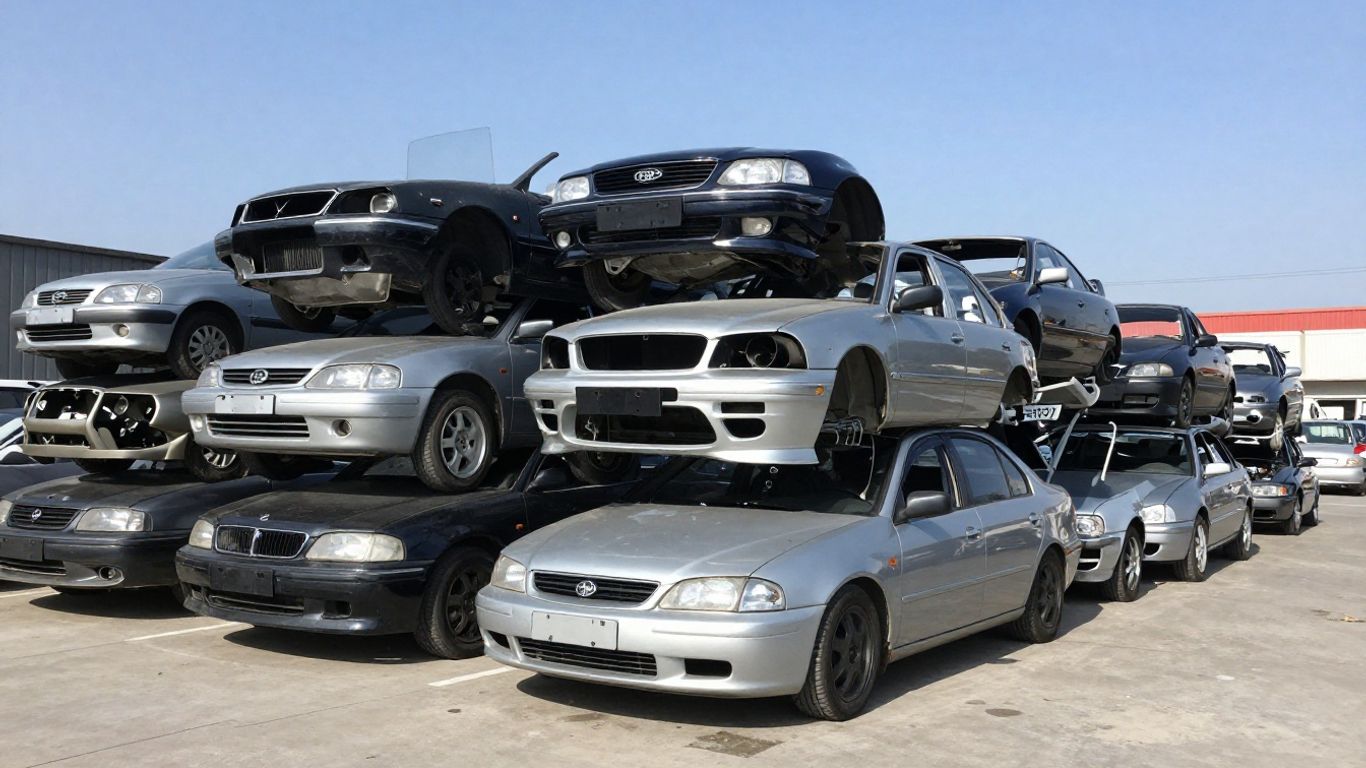
Finding specific, high-quality components requires patience and wide-reaching search efforts. Whether you browse digital platforms or visit a physical depot to see parts firsthand, building a network of reliable suppliers makes the process significantly smoother. Many enthusiasts often explore OMODA JAECOO vehicles to gauge parts availability from newer inventory listings that may support donor components.
Online marketplaces and specialized car breakers
Global platforms have made it easier to locate rare items that are otherwise hard to find locally. These databases often provide photos and histories of the donor vehicles, which helps confirm the component’s legitimacy.
Local salvage yards and recycling centers
Visiting a yard gives you the advantage of inspecting a part before payment. Seeing the condition of a bumper or a headlight housing in person prevents the disappointment of receiving damaged stock through standard shipping.
Owner forums and community classifieds
Engaging with like-minded enthusiasts often reveals private sales that never reach public listings for Chery J9 used parts. These groups frequently contain members who are parting out vehicles due to cosmetic accidents, offering high-quality trim pieces at fair prices.
Official dealership surplus and clearance stock
Sometimes, the best supply chain source is the manufacturer itself. Dealership departments periodically unload obsolete inventory or display parts, which are essentially brand-new items available for used-part pricing.
Assessing the condition and quality of pre-owned auto parts
| Quality Indicator | Inspect For | Recommended Action |
|---|---|---|
| Structural Integrity | Stress fractures or welds | Professional testing |
| Electrical Connectors | Corrosion or pin damage | Clean and inspect |
| Finish and Coat | Deep rust or peeling | Sand or replace |
After locating a component, scrutinizing its physical condition is the most important step in the manual repair chain. Sellers may highlight the positive attributes, but owners must remain vigilant against potential mechanical fatigue that could compromise installation, similar to evaluating the legacy architecture during the Migration of Camunda 7 as you phase out old systems in favor of more robust modern frameworks.
Identifying signs of excessive wear and corrosion
Rust is a silent killer for electronic components and structural supports. Even if a part functions electrically, severe oxidation suggests the donor vehicle was stored poorly, which often hints at deeper issues.
Verification of mechanical integrity and testing procedures
Bench testing helps confirm that critical sensors register the correct voltage before you finalize the transaction. Professionals often advise using digital multimeters to verify that the resistance levels fall within factory tolerances.
Understanding seller warranty and return policies
Even with thorough checks, failures can happen shortly after installation. Prioritizing sellers who offer a clear return window ensures you are protected if the item performs poorly under real-world operating conditions.
Checking for hidden indicators of previous accident damage
Paint thickness tests or slight variations in tone can indicate whether a part was involved in a collision. These subtle cues are essential for maintaining the vehicle’s structural and aesthetic standards after a repair.
Navigating international shipping and customs for import parts
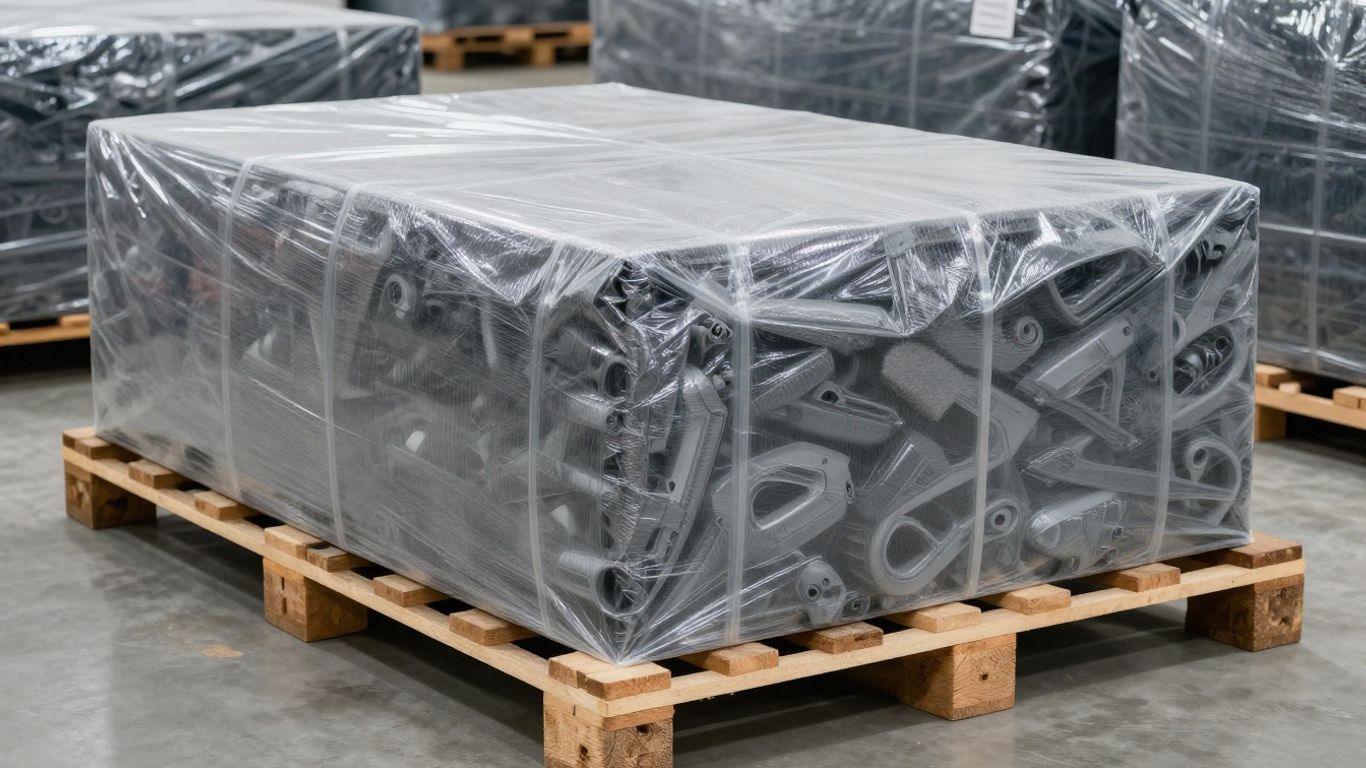
Importing components into your country involves layers of logistical complexity that can quickly influence the final budget. Before placing an order, understanding the full scope of duties and courier handling is vital to avoid unexpected charges at your local port of entry.
Calculating true costs including import duties and taxes
International taxes often include import fees and standard shipping logistics costs, which can effectively double the price of a bargain part. Always calculate the total landed cost rather than focusing solely on the item’s sticker price.
Selecting reliable logistics providers for large components
Heavy or bulky items require specialized freight handling to prevent transport damage. Trusted couriers provide tracking options for delicate shipments, ensuring your component arrives at your garage without cracks or dents.
Researching import restrictions on specific vehicle systems
Some regions enforce strict bans on importing used safety systems like airbags or certain electrical control units. Confirming these import regulations through government resources prevents your package from being seized at the border.
Comparing used versus aftermarket part alternatives
Deciding between original components and third-party manufacturing involves balancing long-term reliability against immediate availability. Owners frequently find that healthy prepackaged snack options and vehicle parts both require careful label reading to ensure the contents actually meet the specific needs and quality expectations of the user.
Weighing cost savings against potential failure rates
Aftermarket options often appear attractively priced but may lack the precise fitment required for complex J9 systems. Budgeting for quality generally pays off by reducing the probability of needing a second repair cycle within a single year.
Determining when to choose original manufacturer components over aftermarket
For powertrain-critical systems and complex sensor modules, factory-spec components are almost always the superior choice. Manufacturers design these to interact harmoniously within the broader scope of Jaecoo performance engineering, which is why deviating from OEM standards can trigger warning lights.
Balancing availability and lead times for rare or discontinued parts
Sometimes, the scarcity of an original part forces the hand of the owner toward an aftermarket alternative. In these moments, prioritizing well-reviewed manufacturers who comply with industry standards keeps your vehicle running during repair delays.
Essential safety tips for installing used components
- Always utilize professional assistance for the calibration of sensitive sensors to ensure they communicate accurately with your car’s brain.
- Avoid reusing single-use bolts or gaskets during the installation process, as their structural integrity is almost certainly compromised.
- Disconnect the primary battery terminal before touching any electrical harnesses to prevent short circuits during the upgrade process.
- Document the installation process if you choose the DIY route to verify that everything is torqued to the correct factory specification.
After the initial procurement, proper installation ensures that the used component operates as intended. Using the wrong fasteners or failing to tighten them to spec is a major safety risk that can lead to part detachment during high-speed driving or emergency braking situations.
Conducting professional versus DIY inspections before installation
While personal attention to detail is beneficial, a professional technician can catch micro-cracks that an inexperienced eye might miss. Partnering with a skilled mechanic creates a safer bridge between the purchase of a used item and its successful duty in your garage.
Identifying critical safety parts that should never be purchased used
Components like brake pads, structural steering linkages, and primary restraint systems like seatbelt pyrotechnic charges should be strictly avoided in the secondary market. These items lose their efficacy over time, and their failure could lead to catastrophic consequences.
Ensuring compatibility with existing sensors and electrical systems
Modern electronics depend on synchronized communication between units.
Conclusion
Choosing the right components for your J9 requires a mix of diligence, research, and careful planning. By valuing structural integrity and confirming OEM compatibility before purchase, you protect your investment while keeping your SUV performing at its best. Whether you are browsing global markets for rare trims or visiting local salvage yards for mechanical supports, stay patient and prioritize quality over hasty, inexpensive solutions to ensure long-term satisfaction.
Frequently Asked Questions
Is it safe to use used parts for critical mechanical systems like steering?
No, you should never salvage critical steering or safety components. These parts are often subject to fatigue that cannot be visually observed, making them a significant danger to your safety.
How can I verify that a used part fits my specific engine type?
Cross-reference the part number stamped on the component with your vehicle’s VIN in the manufacturer’s official digital catalog. This is the only way to be 100% certain of fitment.
Do salvage yards usually test their parts for functionality?
Many professional recycling operations perform basic bench tests, but you should not assume every component is fully functional. Always ask for a verification report or a clear return policy prior to finalizing your purchase.
How do I handle a component that arrives in worse condition than described?
Document the damage with high-resolution photographs and contact the seller immediately through the platform where you purchased it. Most reputable sellers will prefer a return or partial refund over negative feedback.
Can I use parts from other models that share the same platform?
Sharing parts between similar regional models is sometimes possible, but proceed with extreme caution. Discrepancies in electrical grounding and sensor calibration often exist even between vehicles that appear identical on the surface.
How long should I expect used electronic parts to last?
There is no fixed timeline, as the lifespan depends on how long the donor vehicle was driven and the environment in which it was stored. Treat used electronics as a temporary or budget-friendly fix rather than an indefinite replacement.
Should I always use a professional mechanic to install imported used parts?
Using a technician is highly recommended, especially for sensitive electrical components or major structural assemblies. Professional installation provides a layer of accountability and ensures all calibrations meet factory safety requirements.