
Key Takeaways
Maintaining your vehicle requires understanding both genuine and aftermarket options available within the automotive market. This guide helps you navigate the ecosystem of parts to ensure your vehicle remains reliable and safe.
- Prioritize genuine components when critical safety systems are involved.
- Verify compatibility before purchasing non-OEM products for your build.
- Utilize authorized service networks to access authentic inventory.
- Inspect part packaging and documentation to avoid low-quality counterfeits.
- Understand how self-sourced repairs may influence future warranty claims.
Understanding Tiggo 4 Pro parts in Australia
When you begin looking into vehicle maintenance, navigating the landscape of component availability is a logical first step for every owner. Ensuring your SUV remains in peak condition often involves weighing the difference between factory-spec items and alternative solutions found on the market. Understanding the supply chain helps you make informed choices about your vehicle’s long-term health and performance.
Identifying original equipment manufacturer components
Original equipment components provide the exact specifications required during the manufacturing phase to maintain performance. When you source genuine CHERY Tiggo 4 and Tiggo 4 Pro parts, you are investing in pieces designed specifically for your model’s unique mechanical parameters to avoid fitment issues.
Reliability of local aftermarket alternatives
Local aftermarket alternatives offer a practical path for routine upkeep when budget management is necessary. While these products vary in build material, many reputable suppliers offer reliable items that meet Australian standards, allowing owners to maintain their vehicles without always needing to visit an official showroom.
Navigating the Chery dealership network
Moving through the dealership network remains the most direct route to finding factory-verified resources for your specific SUV. Staff at these locations are trained to interpret complex inventory catalogs, ensuring that every replacement matches the original assembly instructions provided by the manufacturer.
Where to source genuine Tiggo 4 Pro parts
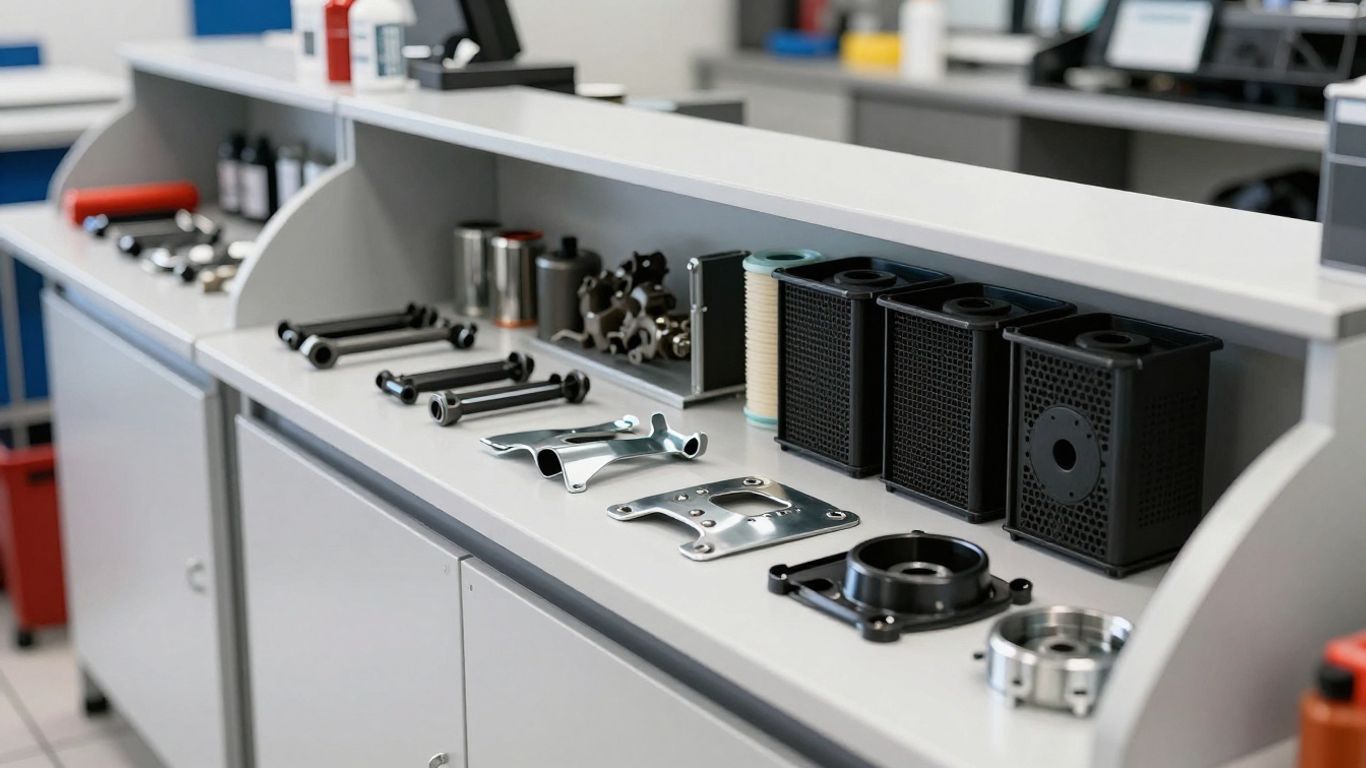
Locating authentic inventory involves connecting with established automotive networks that specialize in your specific manufacturer requirements. By targeting certified supply channels, you ensure that every bolt, filter, or electronic component carries the official backing necessary for peace of mind. Consistent sourcing through these channels safeguards your vehicle’s performance over its entire operational lifespan.
Ordering through authorized Australian service centers
Reaching out to Chery North Lakes provides a straightforward path for owners seeking official spare car parts. These centers maintain direct access to the manufacturer databases, removing guesswork regarding part revisions or cross-compatibility updates that might affect your specific year or model.
Using the official Chery Australia parts portal
Direct digital portals allow owners to research and select components at their own pace without needing to visit a physical service counter. These systems often provide exploded-view diagrams that make identifying the exact bolt or trim piece a simple process for the DIY-focused owner.
Benefits of sourcing from official automotive supply chains
Choosing components from Chery Melville guarantees adherence to original equipment specifications, which keeps your mechanical systems operating in harmony. This focus on reliability ensures that your vehicle’s safety features and driving dynamics remain exactly as engineered when the car first left the factory floor.
Exploring aftermarket and performance upgrade options
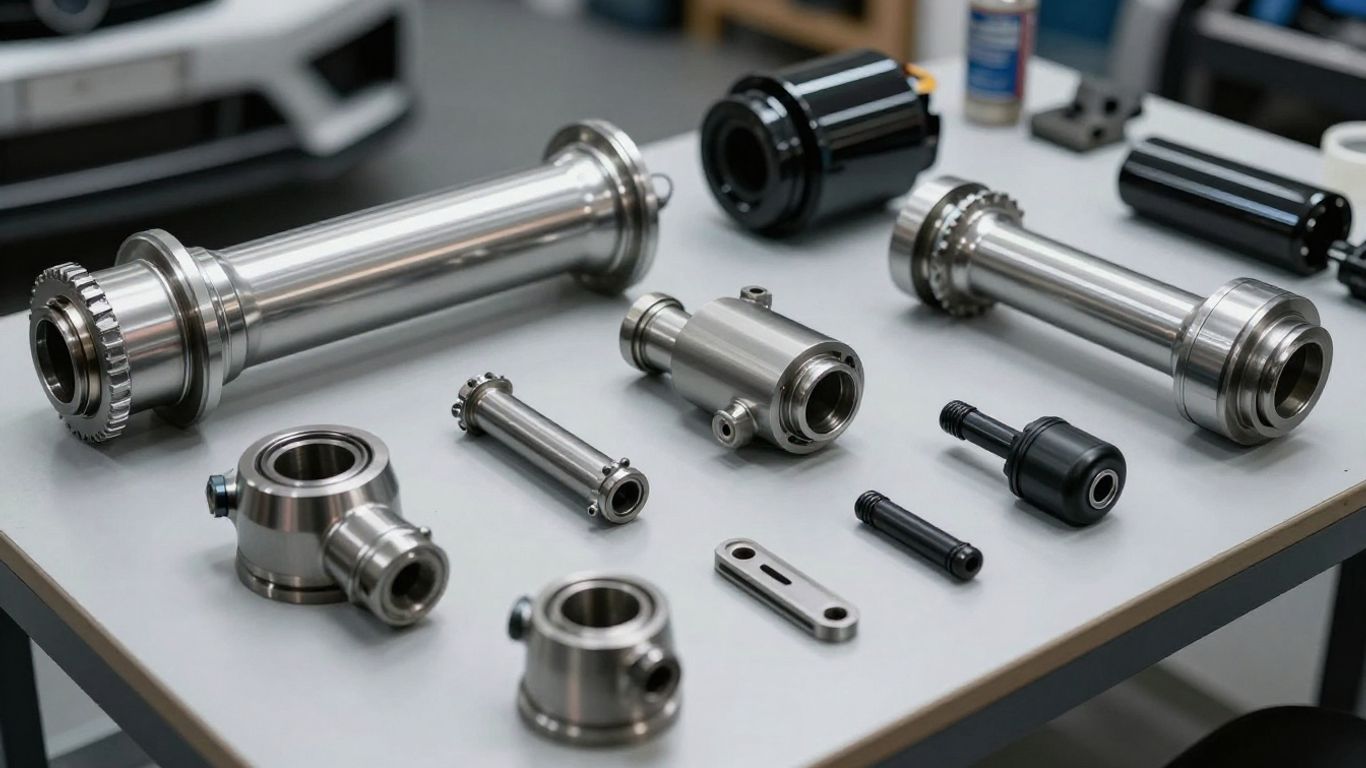
Customizing or upgrading your vehicle often opens doors to versatile product selections that may offer distinct advantages in comfort or style. When choosing non-factory upgrades, it is essential to balance aesthetics with mechanical integrity. To Enhance your Chery Tiggo 4 Pro through curated additions, consider the following performance and design options identified in the table below.
Compatibility considerations for non-OEM components
| Upgrade Category | Compatibility Metric | Performance Impact |
|---|---|---|
| Cabin Filters | OEM Airflow Rating | Improved Air Quality |
| Brake Pads | Friction Coefficient | Measured Stopping Power |
| Trim Panels | Fastener Alignment | Better Aesthetic Flush |
Selecting non-OEM items requires verifying that the component’s engineering matches the manufacturer’s operational limits for your vehicle. Proper research into the specific compatibility metrics prevents unnecessary stress on integrated systems.
Sourcing parts from reputable Australian automotive retailers
High-quality retailers provide a catalog of tested add-ons that reflect current industry standards. Engaging with these shops ensures that you are choosing products with a track record of reliability, even when those items are not sourced directly from the original manufacturer.
Risks and advantages of using universal fit parts
Universal parts often present a cost-effective solution for cosmetic improvements, though they rarely provide the perfect fit one expects from a tailored unit. Balancing these tradeoffs requires a willingness to perform slight modifications or accept a non-factory appearance in exchange for flexibility.
Common maintenance parts for your Tiggo 4 Pro
Regularly scheduled maintenance keeps your vehicle running smoothly as the odometer climbs. By sticking to a strict replacement calendar for consumables, you minimize the likelihood of larger, more expensive mechanical failures down the road. These routine checks form the backbone of responsible ownership for any modern SUV.
Essential consumables like filters and brake pads
Keeping your engine breathing well and your wheels stopping securely depends entirely on consistent maintenance. Our list of core items includes the following products that every owner should inspect annually:
- Engine oil filter for high-efficiency debris capture.
- Cabin air filter to ensure interior ventilation stays fresh.
- Brake pads featuring the correct compound for suburban driving.
- Synthetic motor oil meeting manufacturer viscosity requirements.
Applying these consumables at the correct intervals will protect your engine and chassis from premature degradation. Proper attention to the fluid and pad conditions creates a consistent driving experience that preserves the vehicle’s long-term value.
Sourcing suspension and steering components
Suspension parts act as the primary interface between the road and the cabin, making their condition vital for overall vehicle comfort. While these items require less frequent replacement than fluids, observing any changes in steering feedback or ride height is crucial for early detection of wear.
Availability of lighting and cosmetic trim pieces
Cosmetic and lighting components allow you to maintain the visual appeal of your vehicle while ensuring safety lights function correctly during night driving. Sourcing these items through trusted channels guarantees that the color temperature and fitment match the existing exterior aesthetic of your car.
Tips for identifying and verifying parts
Navigating the sea of automotive listings requires a discerning eye to ensure the component arriving at your door is exactly what you need. Small differences in part numbers can often lead to incorrect fitment, which complicates even simple driveway repairs. Taking the time to cross-verify information creates a professional outcome for your maintenance efforts.
Decoding part numbers for precise matches
Part numbers act as the unique fingerprint for every individual component in your vehicle’s build. Always cross-reference the number printed on the old item with the information listed on the box—this is the most effective way to ensure a robust quality standard for your replacement parts.
Avoiding counterfeit automotive components
Counterfeit goods often look the part but lack the internal structural integrity of legitimate components. Inspect the packaging for misaligned printing, missing holographic stamps, or inconsistent material weight to distinguish high-quality items from poor imitations.
Checking warranty implications of self-sourced repairs
Before undertaking any repair using parts you sourced independently, review your owner’s manual regarding coverage limitations. While self-maintenance is generally possible, using parts that deviate significantly from official specifications may shift the burden of repair costs should a linked system eventually encounter a failure.
Conclusion
Successfully maintaining your vehicle relies on a combination of using reliable parts and following structured maintenance schedules. Whether you choose genuine components or tested aftermarket alternatives, prioritize the compatibility and safety of your choices to keep your SUV performing at its best on every Australian road. Consistent care and careful verification of all items will ensure that your vehicle provides years of dependable service.
Frequently Asked Questions
Can I use parts from older models on my new vehicle?
Compatibility between different model years is not always guaranteed, so you should always check the part number against your specific vehicle identification number before installation.
How often should I check my brake pads?
It is recommended to have your brakes inspected during every routine service or whenever you detect unusual noise when coming to a stop.
Is it safer to buy parts from a dealership?
Buying from a dealership guarantees that you are receiving the manufacturer-spec component, which is generally considered the safest route for critical engine or safety parts.
What do I do if a part does not fit?
If you find that a part does not match, discontinue the installation immediately and contact the seller to initiate a return or exchange based on their specific store policy.
Can I install performance parts without voiding my warranty?
Installing non-factory parts typically does not void your entire warranty, but any damage caused directly by those custom components may be excluded from future coverage.
What are the main signs of low-quality parts?
Look for poorly cast metal, blurry packaging graphics, incorrect fitment, or an unusually low price point compared to standard market averages for similar items.
Should I use synthetic or conventional oils?
Always use the oil type and viscosity grade specifically recommended in your owner’s manual to ensure the internal components of your engine are properly lubricated according to engineering requirements.