
Key Takeaways
Finding the right replacements for your vehicle involves understanding compatibility and supply chains. Consider these main points regarding sourcing components:
- Verification of the vehicle identification number is essential for exact fit.
- Specialized salvage yards often hold rare inventory for newer models.
- Quality assessment should prioritize wear indicators over exterior aesthetics alone.
- Licensed vendors provide a safety net for parts requiring specific performance standards.
- Total ownership costs are minimized by balancing import expenses against the price of local new parts.
Understanding the compatibility of Chery FX parts
Navigating the nuances of vehicle component replacement requires a foundational knowledge of how modular architectures are shared across production lines. When looking for parts for the Chery FX, enthusiasts often find that architectural commonalities allow for broader search parameters than initially expected.
The relationship between the Chery FX and Omoda 5
The technological overlap between these two models simplifies the search process for high-demand components. Because parts are often shared across the 2024 Chery OMODA 5 FX and the FX series, owners can frequently cross-reference listings to find matching hardware, significantly increasing the probability of locating the exact item needed in an active secondary market.
Identifying OEM versus aftermarket compatibility
Distinguishing between original equipment and third-party manufacturing is crucial for maintaining vehicle performance standards. While aftermarket parts provide a cost-effective alternative for routine maintenance, structural components often require strict adherence to original specifications to preserve factory-intended safety and functionality.
Verifying vehicle identification numbers for part matching
Accuracy is paramount when sourcing components to ensure that every replacement operates seamlessly with the existing onboard systems. Relying solely on model year or trim level can result in costly errors, so always consult the unique vehicle identification number to confirm that the specific component was engineered for your individual build.
Where to find reliable Chery FX used parts
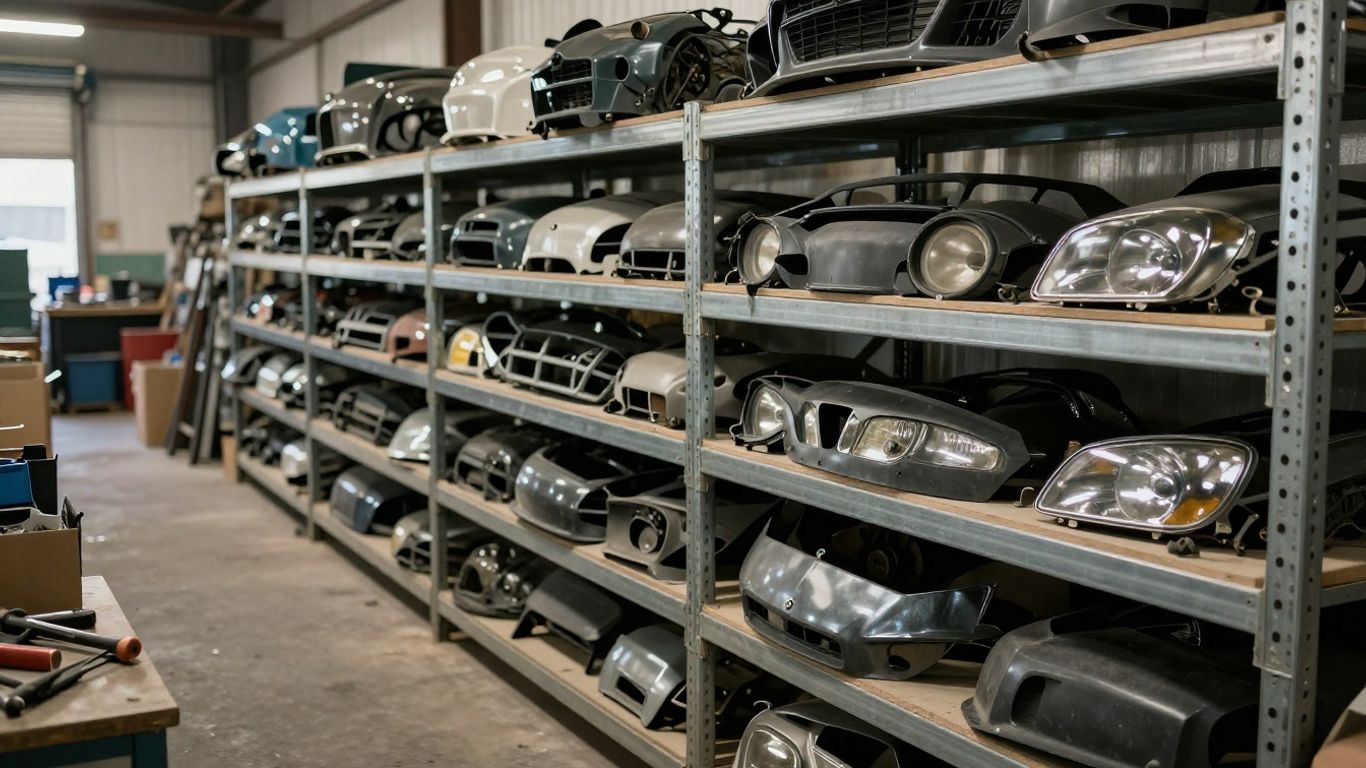
Locating specific items for newer automotive models can feel like a search for a needle in a haystack if you do not have the right resources. Diversifying your search strategy across regional and digital networks helps in uncovering inventory that is not immediately visible to the public or local dealerships.
Navigating specialized auto wrecking yards
Local salvage facilities that focus on late-model imports are the most likely candidates to possess parts from a vehicle like the 2024 Chery OMODA 5 FX. These yards often process damaged vehicles with salvageable mechanics that have not yet reached the broader consumer marketplace.
Utilizing online salvage part marketplaces
Digital platforms aggregate listings from hundreds of nationwide dismantlers, providing a centralized location to compare prices and parts availability. These tools automate the verification process by showing you parts that have been cataloged by their specific identification codes.
Connecting with local automotive import forums
Community-driven groups serve as specialized networks where mechanics and owners discuss parts availability. Engaging with these digital circles can lead to leads on private-party sales of unique components that never make it to official listing sites.
Evaluating the quality of salvaged components
Assessing the condition of used electronics and structural hardware requires a methodical approach to confirm longevity. You can check the state of components by utilizing standard evaluation metrics for mechanical parts.
Inspecting structural integrity of body panels
Any misalignment in the mounting brackets or evidence of previous repairs suggests potential structural weakness. Ensuring that body panels retain their factory curvature is vital for guaranteeing that they will attach correctly to your vehicle frame without requiring significant modification.
Testing electronic modules for functionality
Electronic components are often the most difficult to diagnose without proper diagnostic scanning tools. If you use Audioread during your commute, you can listen to expert advice while you wait for your parts to arrive, ensuring you have the knowledge to perform a baseline health check once the module is in hand.
Assessing wear indicators on mechanical hardware
Mechanical wear is rarely uniform and requires careful observation of contact points on moving parts. The following table identifies typical components and the specific wear indicators that owners should prioritize during visual and physical inspections:
| Component Type | Expected Wear Sign | Assessment Method |
|---|---|---|
| Suspension Arms | Bushing Cracking | Visual Inspection |
| Brake Calipers | Piston Resistance | manual operation |
| Cooling Fans | Bearing Play | physical rotation |
Carefully reviewing these indicators ensures you do not invest in hardware that is already nearing the end of its operational lifecycle.
Safety considerations when buying used car parts
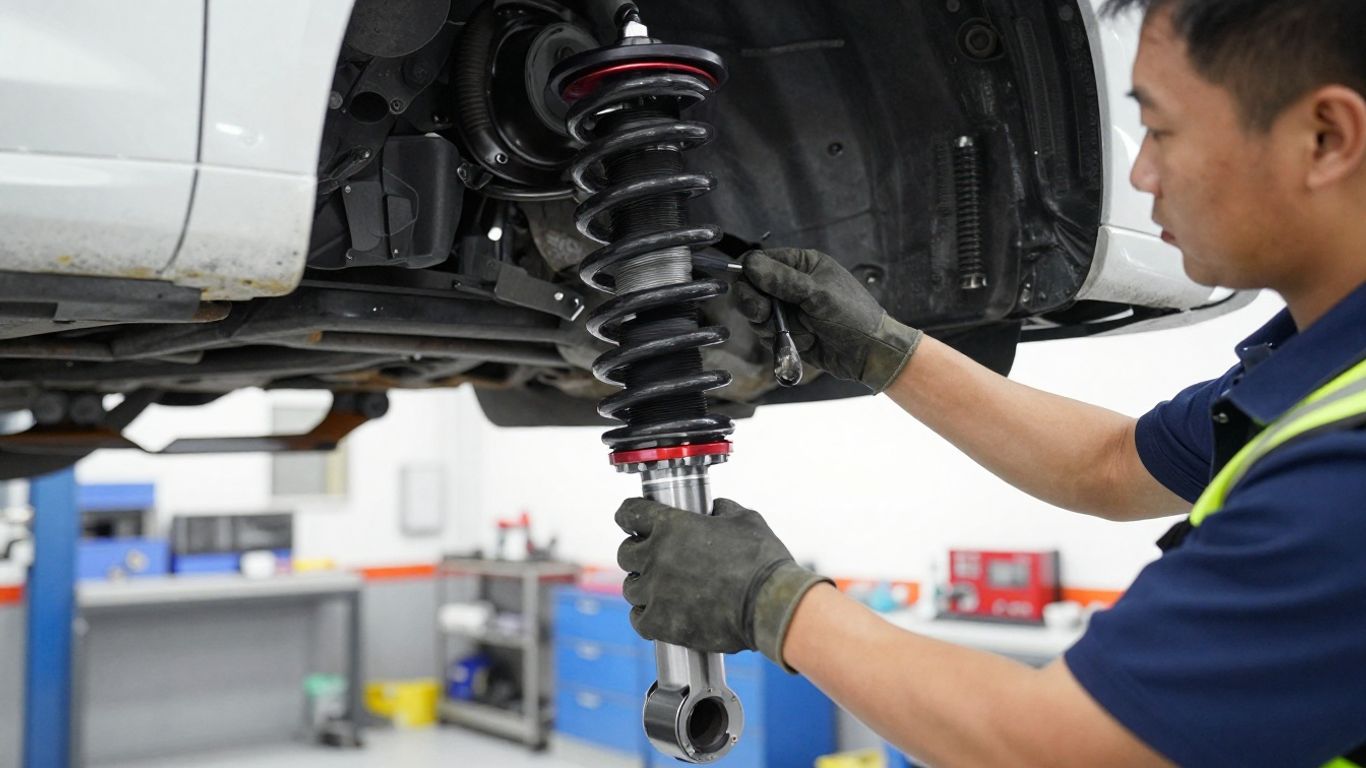
Prioritizing user safety when selecting pre-owned parts is non-negotiable for anyone who values the well-being of their passengers and their vehicle’s long-term operating health. Essential items that prevent major accidents must be handled with extreme care if purchased second-hand.
Avoiding salvaged safety-critical components like airbags
These systems are designed for use exactly once and often suffer from internal degradation that is invisible to the human eye. Opting for new alternatives from reputable suppliers like YanJu Car Parts ensures that safety features such as electronic crash sensors are fully operational.
Checking for recall status on replacement parts
Manufacturers issue recalls for parts found to have systemic manufacturing defects after they hit the road. Always check that the donor vehicle’s parts are clean of any outstanding safety notices to prevent installing a component that could fail during critical driving maneuvers.
Importance of purchasing from licensed vendors
Licensed sellers are regulated and must follow specific standards regarding how they test and store salvaged equipment. Purchasing from these vendors provides a level of quality assurance that private-party sales simply cannot guarantee.
Cost-benefit analysis of used versus new parts
Determining whether to buy new or recycled requires a calculation of long-term expenses versus immediate out-of-pocket savings. While the initial sticker price of salvage is attractive, hidden factors often shift the final decision for many vehicle owners.
Calculating total savings on major repairs
When a major system fails, you must weigh the price of local new parts against the landed cost of a salvage unit. Often, the savings on the part can be diverted to professional labor costs, which is a smart strategy for complex repairs that have a high hourly labor requirement.
Accounting for potential shipping and handling fees
Importing bulky or heavy components from long-distance salvage yards can quickly erode your planned budget. It is helpful to consider the following logistical factors before finalizing an international order:
- Calculate the weight of large engine components.
- Inquire about crating requirements for fragile parts.
- Verify that the supplier includes secure padding for insurance.
- Account for potential re-packaging fees at transit points.
Always define the total landing price before committing to a purchase from an out-of-state facility.
The impact of used parts on future vehicle resale value
Using high-quality replacement parts, even if they are pre-owned, is generally acceptable if documented correctly. Maintaining a organized record of all repairs, including receipts for where salvaged parts were acquired, preserves the history of the vehicle and reassures future buyers of the maintenance quality.
Tips for importing Chery replacement parts from abroad
Sourcing parts globally is an effective way to access stock that is simply unavailable in domestic markets. Successful importing requires a solid understanding of how logistics and international trade regulations interact with your specific shipment.
Understanding international shipping regulations for auto parts
Shipping automotive hardware often involves specific rules regarding hazardous materials, such as residual oils or pressurized gases. Ensure that your supplier properly decommissioned all fluid-carrying components so your package is not delayed or rejected during transit.
Managing customs duties and import taxes
The tax landscape for imported automotive components is complex and depends heavily on the declared value and country of origin. Be prepared to pay additional costs upon arrival, and ensure that all documentation is clear and provided in advance to customs officers to avoid storage fees.
Working with reliable global logistics suppliers
Partnering with partners who understand the specific needs of automotive logistics is the best way to avoid damage. If you keep a Camperig Carry 3 in your trunk for roadside emergencies, you understand the importance of quality gear that arrives in pristine condition; treat your replacement parts with that same expectation of excellence when managing global shipments.
Conclusion
Sourcing used parts for your vehicle is a balancing act of knowledge, timing, and cautious inspection. By understanding the compatibility of components, verifying their history, and managing the risks associated with imports, you can keep your vehicle on the road while significantly reducing your maintenance expenses. Always remember that safety and long-term functionality should remain the primary benchmarks, and you can rely on the Chery cars for sale network or licensed salvage professionals to guide your search for quality, reliable components.
Frequently Asked Questions
Should I always choose OEM parts over aftermarket alternatives?
OEM parts provide a guaranteed fit and performance profile since they are manufactured according to the specifications set by the maker of your vehicle. Aftermarket parts can be suitable for non-critical repairs where high tolerance is not required, as long as you verify the reputation of the manufacturer.
How can I verify that a used component is actually compatible?
Compare the part numbers printed on your original equipment with the parts found on the donor vehicle. Cross-referencing these numbers against a digital parts catalog or contacting a dealership with your serial number is the only way to be 100% certain about compatibility before a transaction.
What are the main risks when buying from private sellers?
Private sellers lack the professional testing equipment used by scrapyards, so you may be purchasing a part that has not been verified for functionality. There is also a lack of recourse if an item fails shortly after installation, whereas licensed vendors often provide a limited warranty period.
Do I need to worry about the history of a salvage vehicle?
Yes, the history of the donor vehicle can indicate if the parts were subjected to extreme stress or environmental damage. Understanding whether the vehicle was salvaged due to a collision or a mechanical failure helps you determine if the specific part you want is likely to be in good shape.
How can I ensure a safe car and van return process if I lease?
Use First Flexi Lease guidelines to navigate the return process by performing detailed inspections and ensuring that only authorized parts or original equipment are restored to the vehicle. Proper documentation and timely service at certified centers will help you avoid unexpected penalties related to improper part usage.
Does distance impact the quality of salvaged parts?
Distance itself does not affect the inherent durability of a part, but longer transit times increase the risk of damage. It is critical to confirm that the seller uses robust packaging, as items passed between multiple logistics partners are more vulnerable to drops or pressure damage.
Can I perform the labor myself for used part installation?
Installation depends on your technical ability and the complexity of the specific system involved in the repair. For simple cosmetic items, many owners manage their own installations, but safety-critical systems or complex electronic integrations should be handled by a certified technician to avoid creating new failure points.