

Key Takeaways
A recycled hub can be a practical replacement, but only when its fit and condition are verified. Take time to check the vehicle details, the donor part, and the seller’s terms before deciding.
- Match the hub to the exact Chery model year, trim, axle position, and configuration.
- Inspect the bearing, mounting surfaces, threads, and any sensor features before purchase.
- Ask for donor-vehicle details and clear information about testing, warranty, and returns.
- Compare the full installed cost with new or remanufactured alternatives.
- Have a qualified technician confirm fitment and follow model-specific service specifications.
What recycled Chery wheel hubs are
A wheel hub connects the wheel to the vehicle and, depending on its design, may include a bearing and features for wheel-speed sensing. A recycled Chery wheel hub is a previously used part recovered from another vehicle; its suitability depends on its exact configuration and condition, not simply the fact that it came from a Chery. Before shopping, it helps to distinguish a used part from one that has been remanufactured or supplied new.
Recycled, remanufactured, and new hubs compared
A recycled hub is removed from a donor vehicle and offered for reuse, while a remanufactured hub has undergone a defined reconditioning process. A new hub has not been used, although its source and specification still need to match the vehicle. The table gives a broad comparison; the actual inspection, testing, and warranty terms vary by seller and part.
| Option | What it generally means | What to verify |
|---|---|---|
| Recycled | A used part recovered from a donor vehicle | Condition, history, exact fit, and return terms |
| Remanufactured | A used core processed for reuse | What work was completed and what testing is documented |
| New | A previously unused replacement part | Correct specification, included components, and warranty |
The labels alone do not establish quality or compatibility. Compare the evidence available for the individual part, and treat an unexplained gap in history as a reason to ask more questions.
Parts typically included in a hub assembly
The phrase “hub assembly” can mean different things across models and sellers. One listing may describe a hub with an integrated bearing, while another may refer to a different combination of components. Do not assume that a sensor, fasteners, dust shield, or other related hardware is included unless the seller confirms it.
A wheel is also not the same part as a wheel hub: browsing Chery wheel options can help clarify the difference when comparing listings, but it does not confirm that a hub fits. Read the listing carefully and ask for a clear description of the parts supplied.
Why a used hub’s history matters
A hub’s past use can influence its condition, but mileage alone does not tell the whole story. How the donor vehicle was driven, whether the hub was exposed to impact or water, and how it was removed and stored can all matter. Used-car buyers use a similar habit of checking maintenance and condition when reviewing used Alfa Romeo history, though the details to examine for a hub are different.
Ask which vehicle the part came from and whether the seller has checked it for damage or bearing play. If the answers are vague, consider whether the price is worth the uncertainty.
Potential cost and environmental benefits
A recycled part may cost less than a new replacement, and reusing a serviceable component can avoid discarding it prematurely. Neither outcome is guaranteed: shipping, fitting, a short warranty, or a poor match can erase an apparent saving. Compare the total cost and the evidence of condition rather than choosing on the purchase price alone.
How to check compatibility with your Chery
Fitment is specific to the vehicle and to the position where the hub will be installed. The model name alone may not distinguish changes between years, trims, drivetrains, or front and rear assemblies. Gather the vehicle identification details first, then use them to verify the part rather than relying on a broad listing title.
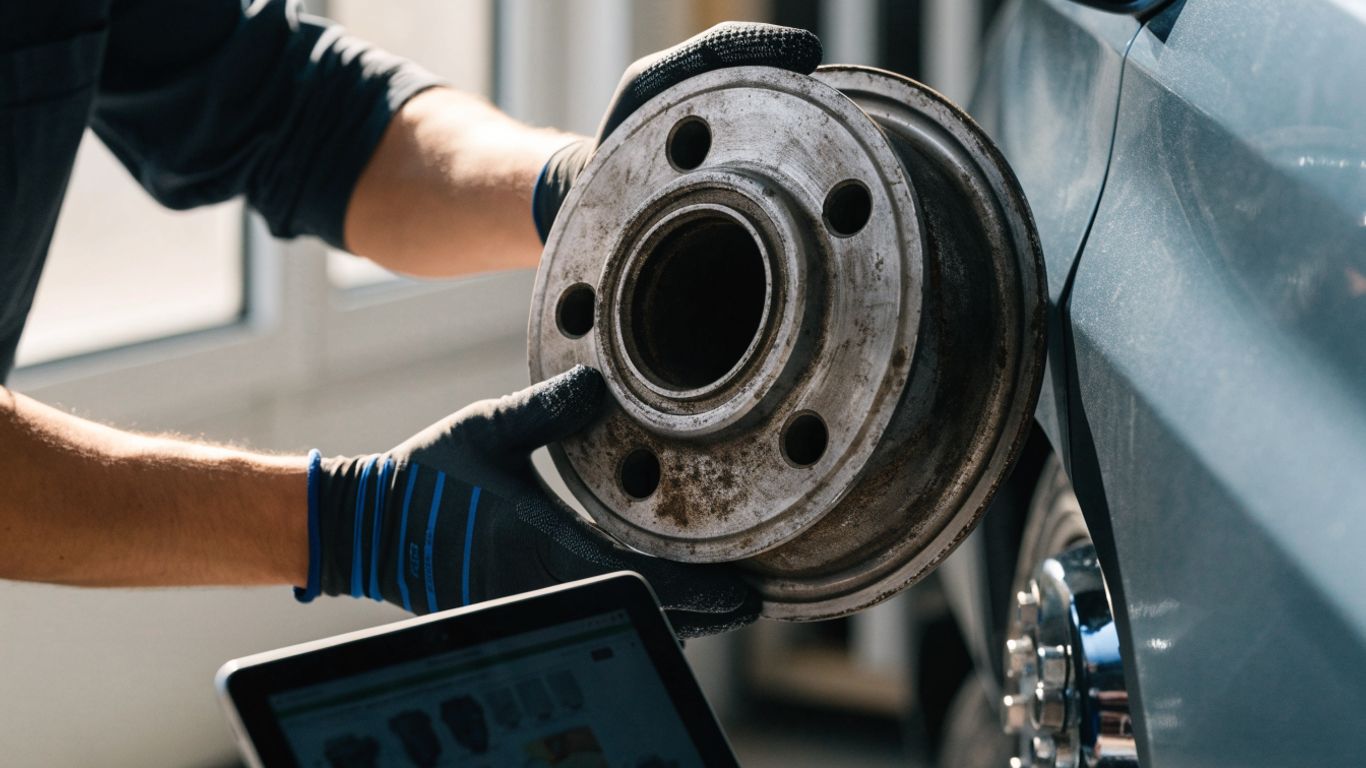
Identify the exact model year and trim
Start with the model year, full model name, trim, and drivetrain where applicable. The vehicle identification number can help a parts professional check the correct specification, but have the details confirmed against reliable catalog information rather than assuming every vehicle with the same badge uses an identical hub. A part from a similar-looking Chery may still differ in a way that prevents proper installation.
The Australian Car Parts Supplier connects customers with used, genuine, and aftermarket parts through a car parts network; provide complete vehicle details when asking for a match. Clear information at the outset makes it easier to narrow down the right part without treating a near match as a confirmed fit.
Match the part number and hub configuration
Compare the number on the original part, if readable, with the number supplied for the replacement. Part numbers can be superseded or recorded differently, so ask the seller or a qualified parts professional to verify any cross-reference. Also confirm the hub’s configuration, including its mounting arrangement and whether it is intended for the same axle position.
A fitment reference for the Arrizo 8 Pro wheel specifications can offer context about wheel measurements, but wheel specifications alone do not establish that a replacement hub is compatible. Use vehicle-specific parts information for the hub itself.
Verify bolt pattern, center bore, and offset
Check relevant dimensions against reliable specifications for the exact vehicle. Bolt pattern and center bore help determine how a wheel locates and attaches; offset is a wheel measurement that affects how the wheel sits relative to the vehicle. These details can help identify an incorrect combination, but they do not replace confirmation of the hub’s part number and mounting design.
For a practical comparison, record the measurements and part details together rather than relying on memory:
- Confirm the vehicle’s model year, trim, drivetrain, and axle position.
- Compare the hub’s part number or verified cross-reference with the original specification.
- Check the relevant mounting and wheel dimensions against a reliable fitment source.
- Confirm any sensor or connector arrangement with the seller before purchase.
Use the measurements as a cross-check, not as the only basis for ordering. If a dimension conflicts with the vehicle’s documented specification, pause and resolve the discrepancy first.
Check compatibility with ABS and other sensors
Some hub assemblies are designed to work with wheel-speed sensing equipment, while sensor arrangements can vary between vehicles and part configurations. Check whether the replacement has the correct sensor provision, connector, and tone-ring arrangement where applicable. A hub that physically bolts into place can still be unsuitable if its sensing components do not match the vehicle.
Ask the seller to confirm sensor compatibility using the vehicle details or part number, and have the installer inspect the connection during fitting. Do not assume that a warning light will be the only sign of a mismatch.
How to inspect a recycled hub before buying
A used part deserves more than a quick look at its price and photographs. Ask for clear pictures of the actual hub and, where possible, have it inspected in person by someone familiar with wheel-end components. The aim is to find visible damage and establish what checks have been carried out, while remembering that a visual inspection cannot prove the full remaining service life.
Look for cracks, corrosion, and impact damage
Inspect the hub body and bearing area for cracks, deep corrosion, distortion, or marks suggesting a hard impact. Surface dirt or light discoloration may not tell you much by itself, but pitting, flaking, or damage around a mounting area deserves careful attention. Ask for additional photographs if the seller’s images do not show all sides clearly.
Do not accept a part with an unexplained crack or obvious deformation. If the damage is difficult to assess from photographs, an in-person inspection or professional opinion is the safer next step.
Check bearing rotation and play
If the assembly can be checked by hand, rotation should not feel rough, gritty, or interrupted, and there should not be obvious looseness. A hub that feels smooth while unloaded is not automatically serviceable, so this simple check cannot replace proper testing. Ask the seller what inspection was performed and whether any findings were recorded.
Guidance on hub bearing warning signs can help explain common symptoms and workshop considerations. Treat it as general background, not as proof that a specific recycled assembly has passed inspection.
Examine mounting faces, threads, and splines
Look closely at the surfaces that seat against the vehicle and wheel, as well as any threads and splines relevant to the assembly. Damaged threads can complicate safe fastening, while dirt, burrs, or distortion on a mounting face may prevent correct seating. The required features vary by design, so compare the part with the vehicle specification or ask a qualified technician to review it.
If a defect is visible, do not assume it can be corrected during installation. Ask whether the seller can supply a better-matched assembly instead.
Ask how the part was tested and graded
A seller’s grade is useful only when its meaning is clear. Ask what checks were completed, whether the part was inspected for bearing noise or play, and how the seller handles a fault found after delivery. Terms such as “tested” or “good condition” are less helpful without a description of the checks behind them.
Think of this as a basic purchase-screening habit: the questions used for generator purchase checks also include support and warranty considerations, though a generator and a wheel hub require different technical checks. For a hub, ask for details relevant to its condition and fitment rather than relying on a general grade alone.
Where to source a recycled Chery wheel hub
A suitable source should be able to identify the part, explain what is known about its donor vehicle, and state the terms of sale plainly. Specialist recyclers may have more focused parts knowledge, while general salvage yards can offer a wider mix of stock; practices vary from seller to seller. Whichever route you choose, the quality of the information matters as much as the listing itself.
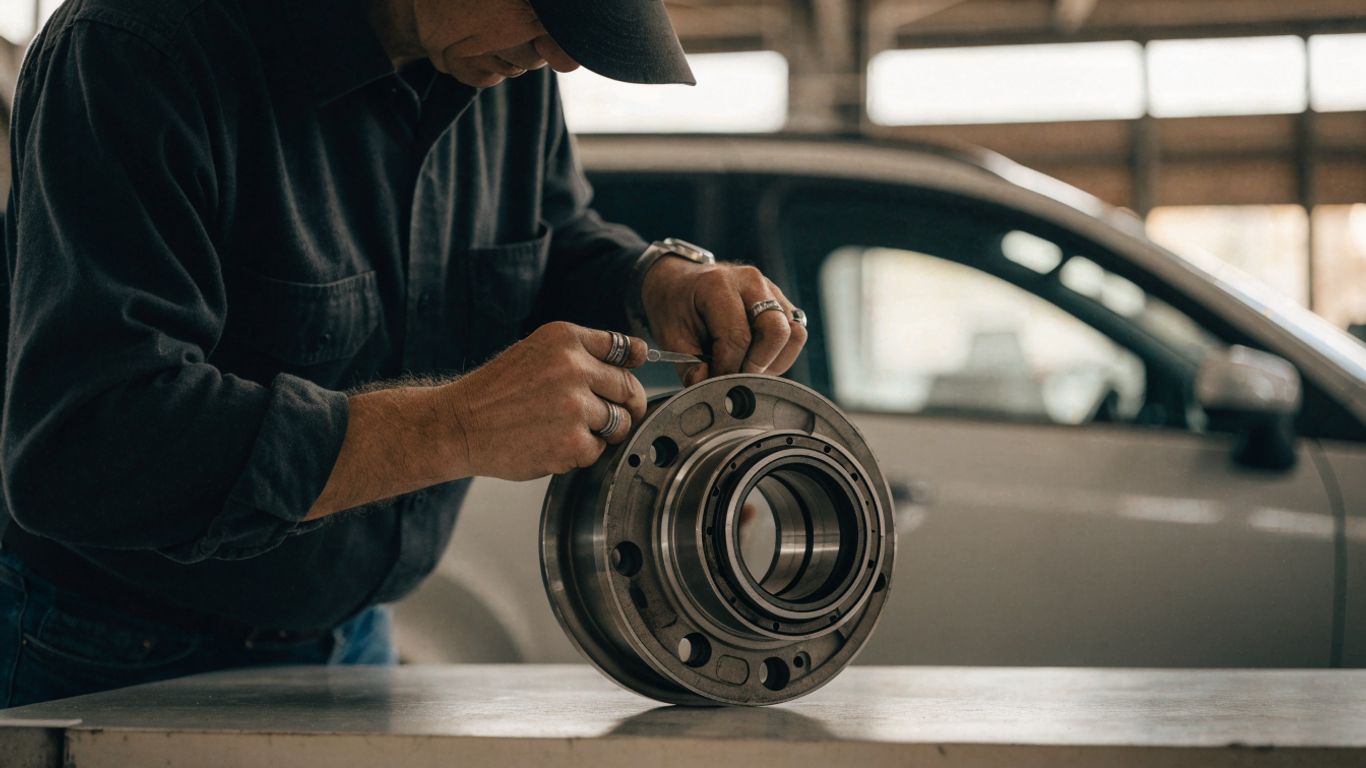
Compare specialist recyclers and general auto salvage yards
Compare sellers on the information they provide, not only on how familiar their business type sounds. Ask whether they can verify the part against the vehicle’s details, show the actual assembly, and explain their warranty and return process. The Australian Car Parts Supplier connects customers with quality used, genuine, and aftermarket parts across a network, with the aim of making part-finding fast and affordable in Melbourne, Sydney, Brisbane, and nationwide.
A seller that cannot answer basic fitment questions may still have a usable part, but you will have less evidence to judge it. Keep looking if you cannot verify the critical details before paying.
Request vehicle and donor-part details
Ask for the donor vehicle’s model, year, and other identifying details the seller can provide, along with the hub’s part number or description. The information may help a parts professional verify compatibility and may give useful context about the assembly’s history. It is sensible to check what is known rather than treating a donor record as a guarantee of condition.
When comparing options, the habit of checking what is included before committing is useful in many purchases, including rental package details; for a hub, focus on the part and its fitment rather than unrelated package quantities. Keep the seller’s answers in writing so you can refer back to what was promised.
Review warranty, returns, and fitment policies
Read the seller’s terms before ordering. Check how long any warranty lasts, what it covers, whether installation must be completed by a professional, and how a return is handled if the part is incorrect or faulty. Ask who pays return shipping and whether the seller requires the original packaging or inspection before authorizing a refund.
A clear policy does not remove the need to check fitment, but it gives you a more realistic sense of the risk if the part proves unsuitable. Compare policies in writing instead of relying on a brief verbal assurance.
Confirm what is included with the assembly
Before paying, confirm whether the listing covers only the hub or includes other components such as a bearing or sensor. Find out whether fasteners or related hardware are supplied, and whether anything shown in a photograph is excluded from the sale. These details affect both the fitment check and the final cost of installation.
Make a simple written record of the agreed part number, included items, price, and return terms. That can help prevent confusion when the part arrives or the technician begins the job.
What installation and fitment involve
Correct installation is part of the safety decision, not a detail to leave until after purchase. The work can involve access to wheel-end components and vehicle-specific procedures, so the right approach depends on the vehicle, the tools available, and the person doing the job. If you are uncertain about any step, ask a qualified technician to inspect the part and carry out the work.
Compare professional installation with DIY work
A capable home mechanic may have the tools and experience for the job, but access, fastener condition, and model-specific procedures can make hub replacement more involved than it first appears. Professional installation offers the benefit of workshop equipment and experience, though costs and services vary. Ask for an estimate that identifies labor and any related parts separately.
Do not begin a DIY repair unless you can safely support the vehicle and follow the correct service procedure. If the hub is difficult to remove or the surrounding components appear damaged, stop and seek professional help.
Replace related hardware when required
Some fasteners or adjacent components may need replacement depending on the vehicle’s service instructions and the condition of the parts removed. Inspect related components during disassembly, but do not replace items simply because they are nearby; follow the manufacturer’s procedure and the technician’s assessment. Confirm in advance whether the replacement hub comes with any required hardware.
This check can also prevent a surprise at the workshop. If additional parts are needed, ask for a clear explanation and a revised estimate before authorizing extra work.
Follow model-specific torque specifications
Use the correct service information for the exact vehicle and component. Fasteners tightened incorrectly can create serious problems, so avoid relying on a generic figure or a value found for a different Chery model. A technician should use suitable tools and follow the specified tightening sequence and procedure.
If you are arranging the repair yourself, obtain the appropriate service information before starting. Never guess a torque value based on bolt size or a similar vehicle.
Check for warning lights, noise, or vibration afterward
After installation, confirm that the wheel turns as expected and that there are no unusual noises or signs of vibration during a careful road check. The ABS or another warning light may indicate that a sensor or connection needs attention, but a quiet initial drive does not confirm every aspect of the repair. Have the work checked promptly if anything feels or sounds unusual.
A technician can also verify that any relevant warning lights are resolved and that the assembly is seated correctly. Avoid continued driving if you suspect a wheel-end problem.
How to weigh safety, cost, and service life
A recycled hub is a choice between a particular used part and other available replacements, not a shortcut around inspection. The decision depends on fitment, condition, the seller’s terms, and the cost of getting the vehicle back on the road. Compare those factors together, and be prepared to choose another option if the available evidence is thin.
Compare the total installed cost with other options
Include the purchase price, shipping, labor, any necessary related hardware, and the possibility of a return or repeat repair. A lower listing price may not be the cheaper choice if the part is a poor fit or the warranty offers little protection. The Australian Car Parts Supplier connects customers with used, genuine, and aftermarket parts through a network intended to make finding the right part fast and affordable; compare the specific options and their full costs for your vehicle.
A comparison is most useful when each estimate covers the same work and components. If one quote excludes installation or shipping, account for that before choosing.
Consider mileage, condition, and available warranty
Donor mileage can provide context, but it is only one part of the picture. A lower-mileage hub may still be damaged, while a higher-mileage part might have been inspected more thoroughly; neither description alone establishes how long it will last. Consider visible condition, test information, the seller’s terms, and whether the part’s identity is verified.
Do not treat a warranty as a promise of a particular service life. Read what it covers and how a claim must be made, then decide whether the remaining uncertainty is acceptable.
Recognize signs that a hub should be replaced
A grinding or humming noise, looseness, vibration, or an ABS warning may point to a wheel-end issue, though other faults can cause similar symptoms. A qualified technician can inspect the vehicle to identify the source rather than assuming the hub is responsible. If a hub is cracked, badly corroded, rough in rotation, or has excessive play, it should not be treated as a sound replacement candidate.
Decide when a recycled hub is not the right choice
Choose another option if the part number cannot be verified, the seller cannot explain its condition, visible damage is present, or sensor compatibility remains uncertain. A new or properly documented remanufactured replacement may be more appropriate when a reliable used assembly cannot be found. The right decision is the one that addresses fit and safety with evidence you can trust, not simply the one with the lowest initial price.
Conclusion
Recycled Chery wheel hubs can be worth considering when the exact fit is verified, the assembly has been carefully inspected, and the seller’s terms are clear. Check the donor details, compare the full installed cost, and involve a qualified technician whenever the condition or installation procedure is uncertain.
Frequently Asked Questions
Can a recycled wheel hub fit a different Chery model?
It may, but shared branding or a similar model name is not enough to confirm fitment. Verify the exact part number, configuration, axle position, and sensor arrangement against the vehicle’s specifications.
What information should I give a seller when asking about fitment?
Provide the model year, full model name, trim, drivetrain if applicable, and vehicle identification number where available. Also specify whether the hub is for the front or rear axle and which side is involved.
Is a recycled hub the same as a remanufactured hub?
No. A recycled hub is a used part recovered for reuse; a remanufactured hub has undergone some form of reconditioning. Ask what work and testing were completed rather than relying on the label alone.
What should I look for in photos of a used hub?
Ask for clear views of the whole assembly, mounting surfaces, threads, bearing area, and any sensor connector. Look for cracks, heavy corrosion, impact marks, and distortion, but remember photographs cannot confirm internal condition.
Should a recycled hub include a wheel-speed sensor?
That depends on the vehicle and the specific assembly. Confirm the sensor provision, connector, and other relevant features with a parts professional before ordering.
Is it safe to install a recycled wheel hub at home?
It depends on your experience, tools, and access to the correct service information. If you cannot safely support the vehicle or follow the model-specific procedure, have a qualified technician complete the work.
When should I avoid buying a recycled wheel hub?
Avoid a part with visible damage, unclear identity, unverified compatibility, or seller terms that leave you unable to resolve a fitment or condition problem. Consider another replacement option if you cannot establish confidence in the assembly.