

Key Takeaways
A used caliper can be a sensible option only when its fitment and condition are clear. Take time to verify the part and compare the full cost before committing.
- Match the caliper to the Chery’s exact model, year, trim, axle, and side.
- Check for damage, corrosion, leaks, and problems with moving or sealing parts.
- Ask the seller for identifying details, clear photos, and written return terms.
- Compare the total installed cost with new and remanufactured options.
- Have the brakes installed and checked by someone qualified if the work is beyond your experience.
Identify the right calipers for your Chery
A brake caliper that looks similar to the one on your vehicle may still be the wrong part. Confirm the exact vehicle details and compare the caliper itself before purchasing. A careful fitment check can prevent delays and avoid putting an unsuitable component into a safety-critical system.
Match the model, year, and trim
Start with the vehicle identification number (VIN), model, year, and trim, then share those details with the seller. Model names alone may not distinguish every brake configuration, and parts can vary between versions. If you are comparing Chery brake listings, treat the listing as a starting point and verify the specific part against your vehicle information.
Check the axle and side of the vehicle
Confirm whether the caliper is for the front or rear axle and whether it belongs on the left or right side. Do not assume that a part described as fitting an axle is interchangeable across both sides. If the seller cannot identify the intended position, pause and ask for clarification before paying.
Compare part numbers and mounting points
A part number can help narrow down a match, but it is worth checking the physical details as well. Compare the mounting ears, spacing, hose connection, bleeder position, and overall shape with the caliper being replaced. A simple comparison table can help you keep the evidence straight when listings use vague descriptions.
| Check | What to compare | Why it matters |
|---|---|---|
| Part number | Markings on the original and replacement | Helps confirm the component identity |
| Mounting points | Position and spacing of mounting ears | The caliper must attach correctly |
| Hose connection | Thread, angle, and location | Avoids a mismatch at the brake line |
| Bleeder position | Location relative to the caliper | Helps confirm orientation and service access |
Use the table as a record of questions to resolve, not as a substitute for a vehicle-specific fitment check. If a detail differs or cannot be seen clearly, ask a mechanic or parts specialist to confirm it before ordering.
Confirm compatibility with your braking system
Check that the caliper suits the vehicle’s braking arrangement and the other components it will work with. Do not infer compatibility from appearance or a broad listing title. Some searches for Chery Tiggo brake prices may show different parts under similar descriptions, so confirm the precise vehicle and component details with the seller before buying.
Assess a used caliper’s condition
With a second-hand part, fitment is only half the decision; the condition of the caliper matters just as much. Ask for pictures of the actual component rather than relying on a representative image. Look closely at the body, connections, and exposed rubber parts, and be prepared to walk away if important areas are hidden or unclear.
Look for corrosion, cracks, and impact damage
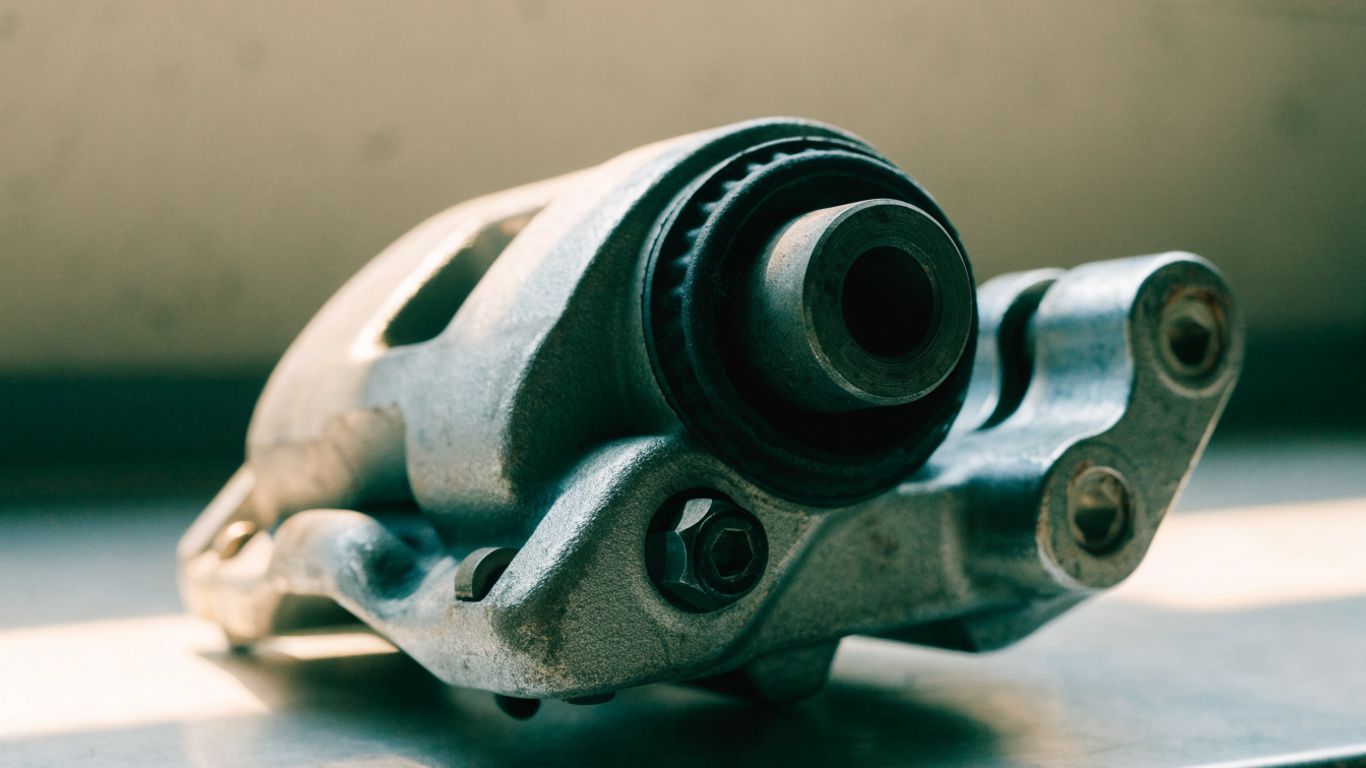
Inspect the caliper body for cracks, deep corrosion, bent mounting points, or marks that suggest a hard impact. Surface grime may be removable, but substantial material loss or damage around a mounting area is a reason to reject the part. Visible damage deserves caution, especially where the caliper attaches to the vehicle or contains hydraulic pressure.
Inspect the piston, dust boot, and seals
Ask for a close, well-lit view of the piston area and the dust boot. Look for tears, distortion, or signs of fluid leakage, and ask whether the piston moves smoothly if the seller has tested it. Photographs cannot confirm the condition of internal seals, so do not treat a clean exterior as proof that the caliper is serviceable.
Check the bleeder screw and brake hose connection
Make sure the bleeder screw is present and that its surrounding area is not visibly damaged. Inspect the brake hose connection for damaged threads, cracks, or signs of rough handling. If either connection looks questionable, get a qualified person to assess it before purchase rather than assuming it can be repaired easily.
Ask how the caliper was removed and stored
A useful seller can explain where the part came from, how it was removed, and how it was stored afterward. Ask whether the hydraulic openings were protected from dirt and moisture, and whether the part was kept dry. An incomplete history does not automatically prove a defect, but uncertainty should affect what you are willing to pay and whether you proceed.
Find a reliable source
A dependable seller should be able to identify the part, answer reasonable questions, and explain what happens if it does not fit. Compare the clarity of the information as well as the advertised price. For buyers in Australia, a supplier network that connects customers with used, genuine, and aftermarket parts can be one way to start the search, but the part still needs individual verification.
Compare salvage yards, parts dealers, and private sellers
Salvage yards may be able to provide vehicle details and photographs, while parts dealers may offer clearer terms for returns or warranty coverage. Private sellers can have a useful part at a lower asking price, but may provide less documentation. Listings for used Chery parts can help you explore availability; ask each seller the same fitment and condition questions so the options are easier to compare.
Request clear photos and identifying details
Ask for photos of the actual caliper from several angles, including its markings, mounting points, piston area, and connections. Request the donor vehicle details and any visible part number. A short list helps keep the conversation focused:
- Confirm the exact vehicle model, year, and trim the part came from.
- Ask which axle and side the caliper fits.
- Request clear photos of markings, mounting points, and connections.
- Ask about known damage, fluid leakage, testing, and storage.
These answers should give you enough information to decide whether the listing merits further checking. If the seller avoids basic questions or sends images that do not show the relevant areas, look for another option rather than filling in the gaps yourself.
Ask about testing, returns, and warranty coverage
Find out what the seller means by “tested,” which checks were performed, and whether that assurance is written down. Confirm the return window, any restocking or shipping costs, and whether a warranty applies to a used part. Read the terms before paying; a verbal promise may be difficult to rely on if the caliper arrives damaged or proves incompatible.
Verify the seller’s fitment claims before buying
Treat fitment claims as something to confirm, not just a label to trust. Provide the VIN and compare the seller’s information with the part number and mounting details; if anything conflicts, ask for a second check. A seller’s other material may cover entirely different subjects—for instance, blackhead prevention, DJI Phantom 2 aircraft checks, prong-collar fitting, BU insurance comparisons, or hospitality news—but none of that establishes brake-part compatibility. For a distinct brake setup, a listing for a GT4 caliper kit likewise should not be taken as evidence that it fits a Chery.
Compare the total cost
The listed price is only one part of the decision. A used caliper may need additional parts or professional attention, and delivery costs can change the value of a seemingly cheap listing. Compare options on the same basis: the part, any included hardware, delivery, likely preparation, and installation.
Weigh the asking price against a new or remanufactured part
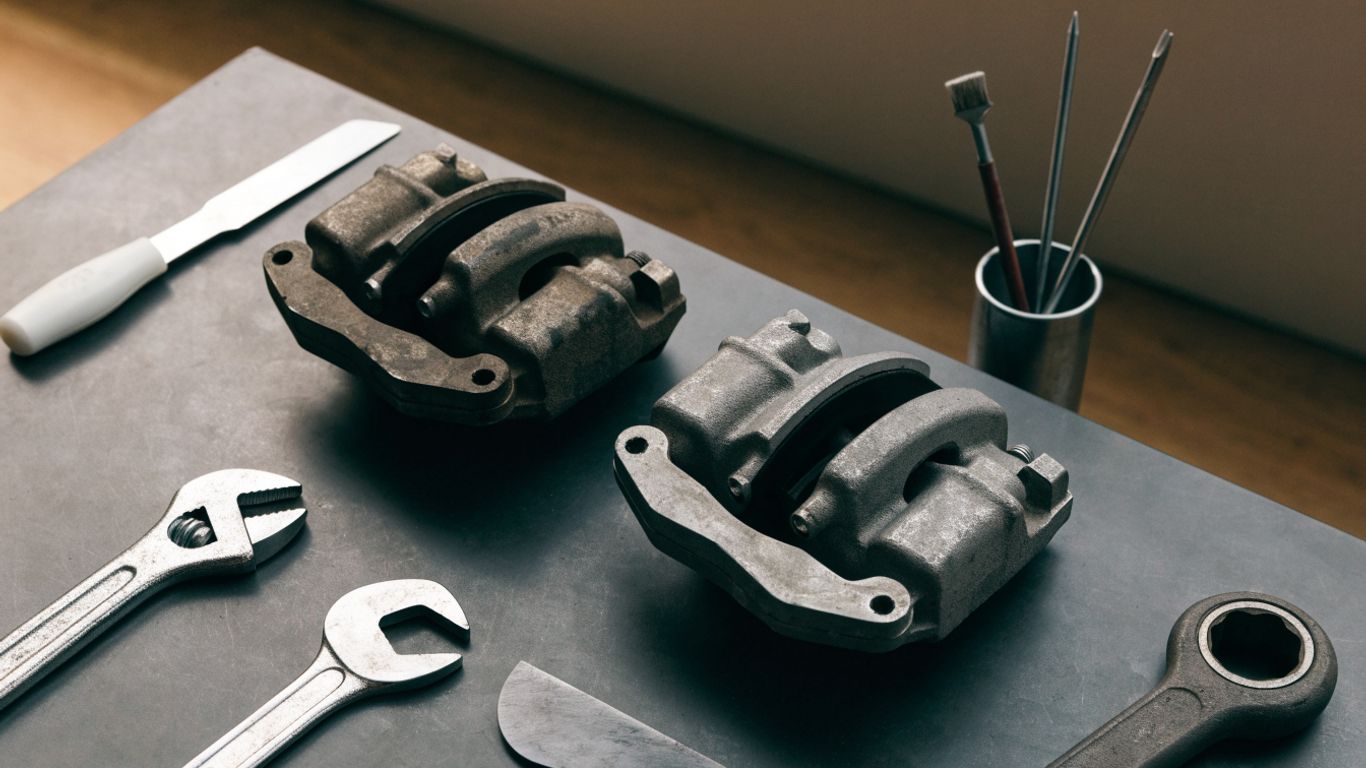
Compare the used part’s asking price with quotes for new and remanufactured calipers that are confirmed for your vehicle. Consider the condition evidence and any return protection alongside the price. The cheapest option may not be the least expensive choice if it arrives unsuitable or needs extra work before installation.
Include shipping, core charges, and shop labor
Ask for the full delivered price, including any handling charges or core charge that may apply. If a shop will inspect or install the part, include its labor estimate too. A quote that excludes delivery or workshop costs is not an accurate comparison with an option that includes them.
Check whether pads, brackets, or hardware are included
Confirm exactly what arrives in the box: the caliper alone, a bracket, pads, or mounting hardware. Do not assume included pieces are usable or suitable just because they appear in a photograph. Clarifying what is included helps you identify anything that still needs to be sourced before the vehicle is taken apart.
Factor in the cost of seals or other replacement parts
A used caliper may require inspection or replacement of service parts, depending on its condition and a mechanic’s advice. Ask for an estimate before purchasing if the seals, dust boot, or other components are uncertain. A low initial price is less attractive once likely additional work is included.
Plan for safe installation
Brake work calls for the correct tools, careful handling, and a reliable check after installation. If you are unsure about the process, arrange for a qualified mechanic to do the work or inspect it. A component that appears to fit is not ready for road use until the complete repair has been carried out and checked properly.
Decide whether the job suits your tools and experience
Be honest about your experience with hydraulic brake systems and whether you have the right tools and service information. A caliper replacement can involve opening the hydraulic system, and an error can affect braking. If you have not done this work before, or cannot follow the vehicle-specific procedure, leave the installation to a qualified technician.
Replace or inspect related brake components
Have the surrounding brake parts inspected while the work is being planned, including the pads, rotor, hose, and mounting hardware. A mechanic can advise whether any related component is worn, damaged, or unsuitable for reuse. Inspecting the system together can help avoid overlooking another issue that affects how the repaired brakes operate.
Bleed the brakes and check for leaks
When the hydraulic system has been opened, it must be handled and bled according to the vehicle’s service procedure. The completed work should be checked for fluid leaks and a firm, consistent pedal before the vehicle is driven. Do not take the car on the road if the pedal feels abnormal or a connection is leaking.
Follow the vehicle service manual and verify braking performance
Use the service manual for the correct procedure and specifications rather than relying on a generic video or instructions for a different vehicle. After installation, a qualified person should verify the repair and braking performance in a safe manner. The vehicle should not be returned to normal use until the checks are satisfactory.
Know when to choose another option
A used caliper is not automatically the right choice just because it is available or inexpensive. Missing identification, poor condition, and unclear seller terms are all reasons to pause. If the part or repair raises doubts, compare other options or ask a qualified mechanic to inspect the vehicle and advise you.
Pass on calipers with uncertain fitment or damage
Walk away if the seller cannot establish the caliper’s fitment or if the photos show cracks, substantial corrosion, or damaged connections. Avoid buying a part on the promise that it can probably be made to work. A clear match and credible condition information matter more than saving a little on the asking price.
Compare remanufactured calipers with used parts
A remanufactured part may be worth considering when a used caliper’s history or internal condition is uncertain. Compare its documented coverage, fitment, total price, and return terms with the used option. Ask a parts professional or mechanic which choice is appropriate for your vehicle and circumstances.
Replace calipers in pairs when appropriate
Whether calipers should be replaced as a pair depends on the vehicle, the condition of the other side, and the repair advice for that braking system. Ask a qualified mechanic to assess both sides and explain the recommendation. Do not assume that replacing one or both is always correct without considering the specific vehicle and condition.
Consult a qualified mechanic if symptoms persist
If braking feels uneven, the pedal behaves unexpectedly, or warning signs remain after a repair, stop driving and have the vehicle checked. Persistent symptoms may point to an issue beyond the replacement caliper. A qualified mechanic can inspect the system and identify what needs attention before the vehicle returns to service.
Conclusion
Buying second hand Chery brake calipers can make sense when fitment is verified, the condition is carefully assessed, and the total cost compares favorably with other suitable parts. Ask direct questions, keep the seller’s answers, and do not compromise on safe installation and inspection. If key details remain uncertain, choosing another part or getting professional advice is the prudent next step.
Frequently Asked Questions
How can I confirm a used caliper fits my Chery?
Check the exact model, year, trim, axle, and side, then compare the part number and mounting details. Ask a parts specialist or mechanic to verify fitment if any detail is unclear.
Can I buy a caliper based on a photo?
Photos can help you spot visible damage and compare shape, but they cannot establish every fitment or internal-condition detail. Request identifying information and verify the part before paying.
What damage should make me reject a used caliper?
Cracks, deep corrosion, impact damage, damaged mounting points, questionable threads, or signs of leakage are reasons to pause and seek professional advice. If the seller cannot show important areas clearly, consider another part.
Should a used caliper come with a warranty?
Warranty and return terms vary by seller. Ask what is covered, how long coverage lasts, and who pays return shipping, then get the terms in writing before purchase.
Is a remanufactured caliper better than a used one?
It depends on fitment, documented condition, price, and the coverage offered. Compare the full cost and ask a qualified mechanic which option suits the vehicle and repair.
Do calipers always need to be replaced in pairs?
Not always. The decision depends on the braking system and the condition of the caliper on the other side, so have both sides assessed and follow qualified repair advice.
Can I install a used caliper myself?
Only if you have the appropriate tools, experience, and vehicle-specific service information. Because brake work is safety-critical, use a qualified mechanic if you are uncertain about any part of the process.