

Key Takeaways
A used rotor is only a sensible buy if it fits the exact vehicle and passes a careful condition check. Treat its measurements and history as essential buying information, not optional extras.
- Verify the exact model, year, trim, axle position, and part number before buying.
- Check for cracks, heavy grooves, heat damage, and thickness below the specified minimum.
- Ask for measurements and clear photos, and confirm the seller’s return terms.
- Compare the used part’s condition and total cost with new options; replace unsafe rotors.
- Follow the vehicle-specific installation procedure and investigate any braking symptoms.
Check compatibility with your Chery
A rotor can look right and still be the wrong part. Vehicle details and exact fitment matter because rotor position and dimensions vary between applications. Before paying, confirm the part against reliable vehicle or parts information rather than relying on a broad model name alone.
Match the rotor to the exact model, year, and trim
Start with the vehicle’s full model designation, model year, and trim, then check whether there were production or brake-package differences. If the seller has only identified the part as fitting a general model range, ask for more detail before proceeding. A close match is not the same as confirmed fitment.
Confirm front or rear fitment and rotor dimensions
Establish whether the rotor is for the front or rear axle, then compare its diameter, thickness, overall height, and mounting details with the specification for the vehicle. Do not assume that rotors on the same vehicle use the same dimensions. Guides to press selection criteria also start with the equipment’s intended application and specifications; the same care with dimensions helps avoid ordering a part that cannot be fitted.
Use the VIN or part number to verify interchangeability
A VIN lookup or a matching part number can help narrow down compatibility, but the details still need to be checked against the actual rotor. Ask the seller to provide any markings or numbers visible on the part and compare them with a trusted parts reference. A broad interchange claim without supporting details leaves too much room for error.
Assess the condition of a used rotor
A used rotor has an unknown amount of wear unless it has been inspected and measured. Photos can help screen out obvious damage, but they cannot establish thickness or runout. Look at the part carefully and ask for measurements before deciding whether it is worth considering.
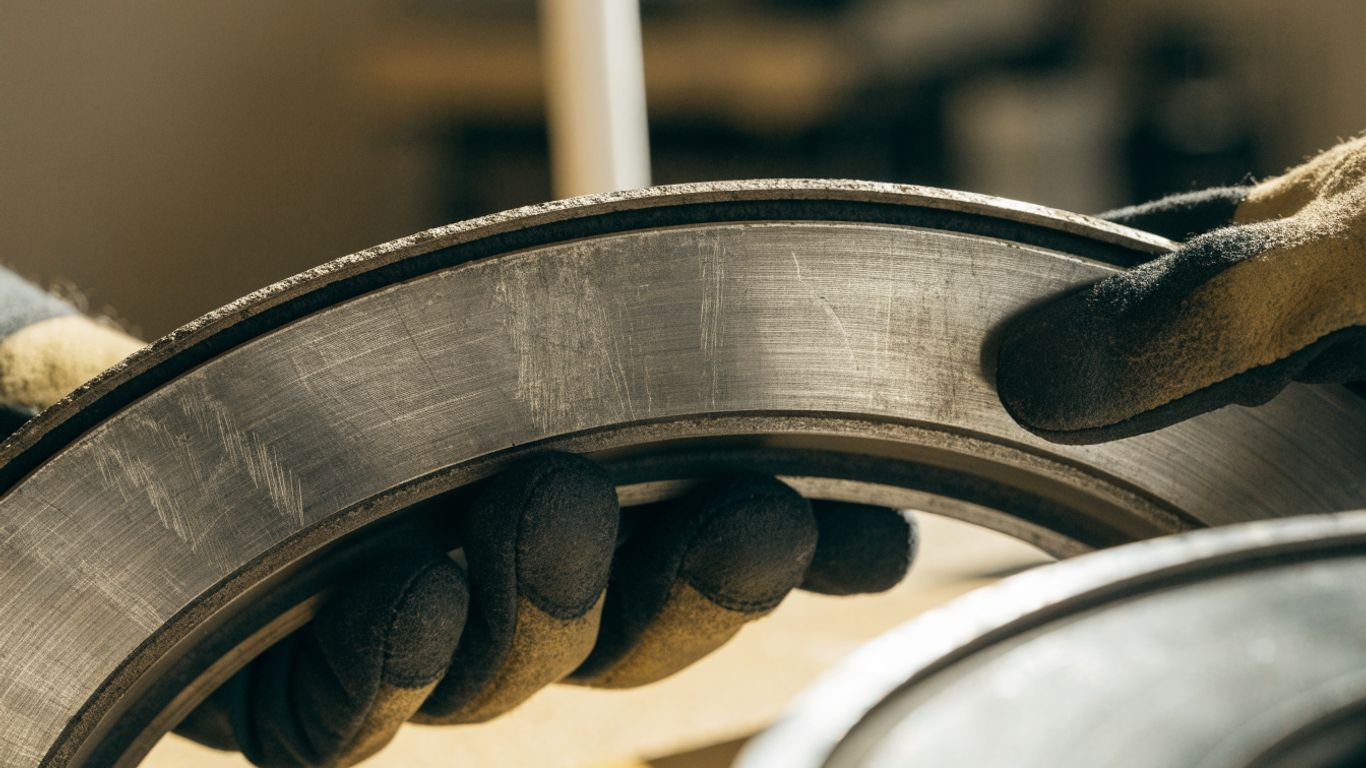
Look for cracks, deep grooves, rust, and heat damage
Inspect both faces and the edges for cracks, deep scoring, heavy pitting, and uneven discoloration that may indicate heat exposure. Surface rust can occur during storage, but severe corrosion or damage around the braking surface is a reason to pause and seek a qualified assessment. A clean-looking photo alone does not prove the rotor is serviceable.
Check thickness against the manufacturer’s minimum specification
Ask for the measured thickness and compare it with the minimum specification for the exact rotor. A visual estimate is not enough: a rotor that appears substantial may already be below its service limit. This quick reference can help organize the discussion, but it does not replace the vehicle-specific specification.
| Finding | Why it matters | Sensible next step |
|---|---|---|
| Thickness below the stated minimum | The rotor is outside its specified service limit | Do not install it; confirm the correct specification |
| Deep grooves or heavy pitting | The braking surface may be compromised | Have its condition assessed before purchase |
| Cracks or clear heat damage | Visible damage raises a safety concern | Reject the rotor and look for another option |
| No measurement provided | Remaining service life is unknown | Request a measurement or choose a verifiable part |
Use the table as a screening aid, not a substitute for inspection. If the seller cannot supply a reliable thickness measurement, there is no sound basis for assuming the rotor has enough material left.
Ask whether the rotor has been measured for runout and warping
Ask whether the rotor has been checked for lateral runout and whether the measurement is available. A rotor can have adequate thickness yet still cause problems if it does not run true. If the seller has not measured it, factor in the uncertainty and have it checked by a qualified technician before fitting.
Decide whether a used rotor is a safe choice
The lower purchase price of a used rotor is only one part of the decision. Condition, remaining service life, inspection costs, and the consequences of needing another replacement all matter. Safety should settle the question when a rotor is below specification or visibly damaged.
Compare its condition with the cost of a new replacement
Compare the used part’s price with the cost of a new replacement, including any inspection, delivery, or fitting costs. If the used rotor has little known history or no verified measurements, the savings may not justify the uncertainty. Guides that compare laundry service options use a similar basic principle: weigh the full cost and practical fit, rather than choosing on price alone.
Replace rotors that are below minimum thickness or visibly damaged
Do not use a rotor that is under the manufacturer’s minimum thickness or has cracks, serious scoring, or other clear damage. These are reasons to stop the purchase, not opportunities to bargain. If there is doubt about a rotor’s condition, have a qualified brake technician inspect it before installation.
Consider replacing rotors in axle pairs for consistent braking
Replacing rotors in axle pairs may help keep braking response consistent across the same axle, but the vehicle-specific service information and a technician’s assessment should guide the decision. Check the condition of both rotors rather than assuming that the one being sold tells the whole story. The same care applies when evaluating listings for Chery brakes: confirm the specific part and its condition before treating it as a suitable option.
Find a reliable source
A useful seller can answer specific questions about the donor vehicle and the rotor’s condition. Look for evidence rather than broad assurances, and make sure you understand what happens if the part proves incompatible. Listings for used Chery brake rotors can vary in how much detail they provide, so ask before committing.
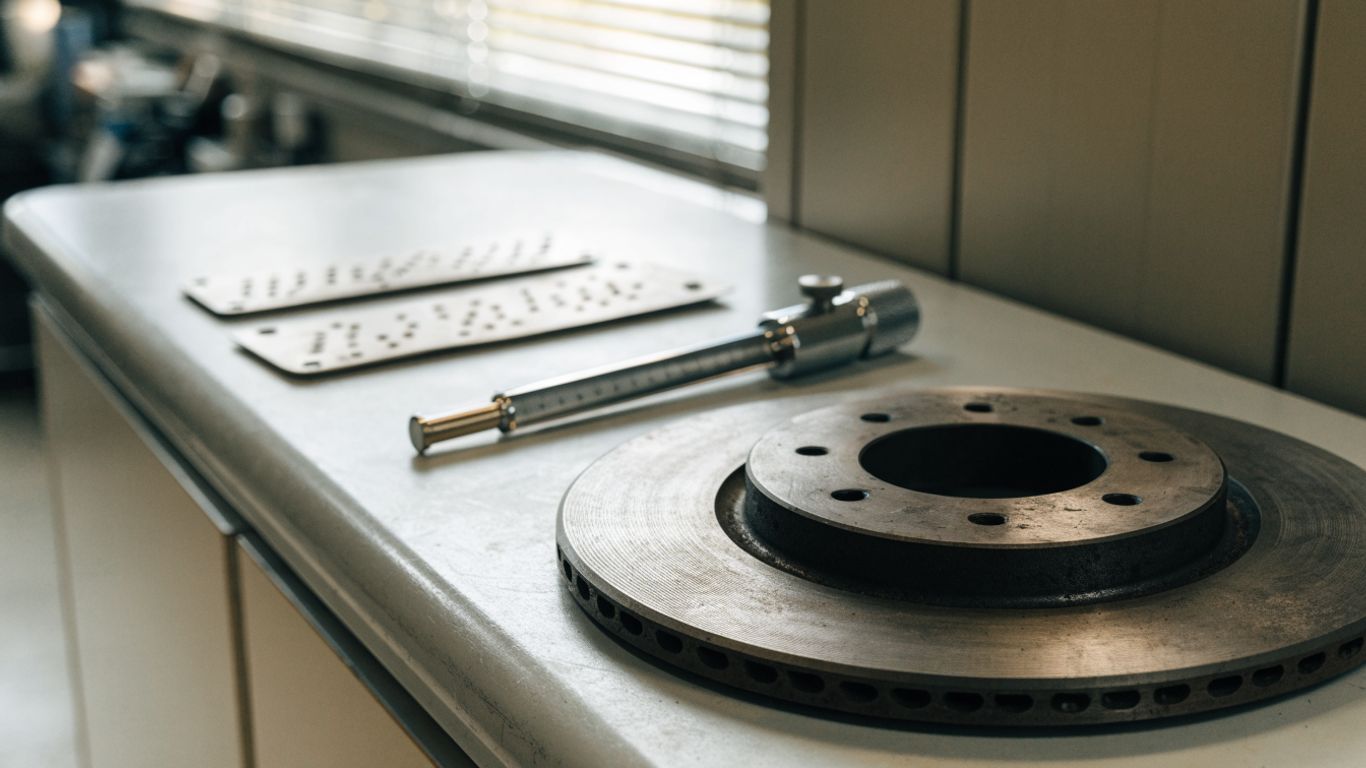
Ask for clear photos and the donor vehicle’s details
Request well-lit photos of both braking faces, the edges, and any visible part markings. Ask for the donor vehicle’s model, year, trim, and which axle the rotor came from. Photos and donor details can help you spot a mismatch early, though they do not replace measurements or a proper inspection.
Request measurements, service history, and a return policy
Ask for the rotor’s measured thickness, the minimum specification used for comparison, any runout check, and whatever service history the seller can provide. Get the return policy in writing, especially if compatibility still needs confirmation. A listing with missing details deserves extra caution; guides to sauna vent sizing similarly show why dimensions and installation details matter when choosing a fitted component.
A short set of direct questions can make a seller’s answers easier to compare:
- What vehicle and axle did the rotor come from?
- What are its measured thickness and stated minimum specification?
- Has runout been measured, and can you share the result?
- What is the return policy if the part is damaged or does not fit?
If key answers remain unclear, consider another source rather than relying on guesswork. You can also compare the listing with local brake replacement quotes to understand the overall cost of parts and fitting before deciding.
Compare used, remanufactured, and new rotor options
Compare each option on fitment, condition, documentation, warranty or return terms, and total cost. A used part may be less expensive upfront, but an undocumented rotor carries more uncertainty; new or remanufactured options may offer different terms and levels of verification. Make sure the choice is based on the actual part and its suitability, not a label alone.
Plan for installation
Even a compatible rotor can create trouble if the surrounding brake parts are worn or the installation is not done correctly. Confirm the brake setup before fitting and follow service information for the exact vehicle. If you are not equipped to inspect or install brake components safely, arrange help from a qualified technician.
Confirm the rotor suits the existing caliper and brake setup
Check that the rotor’s dimensions and mounting details suit the caliper and the rest of the brake setup. Do not rely on appearance or a seller’s general fitment statement. As with garage electrical planning, work involving safety-critical systems should follow the applicable procedure, with qualified help when needed.
Inspect related pads and hardware before fitting
Check the pads and associated hardware for uneven wear, damage, contamination, or other signs that they may need attention. The condition of these parts can affect how the brakes perform after installation. A rotor replacement should not become a reason to overlook a problem elsewhere in the assembly.
Follow the vehicle-specific service procedure and torque specifications
Use the service procedure and torque specifications for the exact vehicle, and make sure mounting surfaces and components are handled as directed. Do not guess at torque values or substitute a general procedure for vehicle-specific instructions. A polished online listing or article is not a service manual; editorial content tools are a separate subject from the technical evidence needed to carry out a repair.
Check braking performance after installation
After the work is complete, pay attention to how the brakes behave rather than assuming that a quiet first stop proves everything is right. Follow the applicable bedding-in directions and drive cautiously while checking for changes. If the vehicle feels or sounds abnormal, stop and arrange an inspection.
Bed in the brake pads and rotors as directed
Follow the bedding-in directions supplied for the pads and rotor, or the vehicle-specific service instructions. Avoid improvising a procedure, since requirements can differ by product and application. A controlled bedding-in process gives you a chance to notice an issue early without treating it as normal.
Watch for vibration, noise, pulling, or changes in pedal feel
Pay attention to vibration during braking, unusual noise, pulling to one side, or a change in pedal feel. Note when the symptom occurs and whether it changes with speed or braking pressure. These observations can help a technician assess the problem, but they do not diagnose its cause on their own.
Have the brakes inspected if symptoms persist
If a symptom continues, worsens, or affects your ability to stop safely, have the brakes inspected before continuing normal driving. Do not try to resolve persistent vibration or noise by simply driving more. A professional check can establish whether the rotor, installation, or another brake component needs attention.
Conclusion
A used rotor is worth considering only when its fit is verified, its condition is supported by measurements, and the price makes sense against the uncertainty. When compatibility or safety cannot be established, choose a more verifiable option and have the braking system inspected by a qualified professional.
Frequently Asked Questions
How can I tell whether a used brake rotor fits my car?
Check the exact model, year, trim, axle position, dimensions, and part number against vehicle-specific parts information. A seller’s general fitment statement alone may not confirm compatibility.
Is surface rust on a used rotor always a reason to reject it?
Not necessarily; light surface rust can develop during storage. Heavy corrosion, pitting, cracks, or damaged braking surfaces call for caution and an inspection before use.
What thickness should a used rotor have?
It must meet or exceed the manufacturer’s minimum thickness specification for that specific rotor. Confirm the measurement and the correct specification rather than relying on appearance.
Can a rotor be unsafe even if it is thick enough?
Yes. Cracks, severe scoring, heat damage, or excessive runout can raise concerns even when thickness is adequate. A qualified inspection can help assess its condition.
Should brake rotors be replaced in pairs?
Replacing rotors on the same axle may help maintain consistent braking, but the vehicle’s service information and the condition of both sides should guide the decision.
What should I ask a used-parts seller before buying?
Ask for the donor vehicle details, clear photos, measured thickness, minimum specification, any runout results, and the return policy. Confirm the part number or fitment before purchase.
What should I do if the brakes vibrate after installation?
Avoid treating persistent vibration as normal. Have the brakes inspected by a qualified technician, especially if the symptom affects stopping or is accompanied by noise, pulling, or a change in pedal feel.