

Key Takeaways
A recycled timing kit can be a sensible repair choice, but only when its history, condition, and engine fit are clear.
- Confirm the Chery model, year, engine code, and VIN before ordering.
- Treat the chain, guides, tensioner, and sprockets as one compatibility set.
- Ask for inspection, grading, refurbishment, warranty, and return details.
- Include seals, gaskets, and related wear items in the repair plan.
- Compare the complete installed cost with the risk and value of new parts.
Understand what recycled Chery timing chain kits include
Choosing recycled Chery timing chain kits starts with defining what “recycled” means in the seller’s description. Some parts are removed from a vehicle and resold as used, while others are cleaned, inspected, or refurbished before sale. Those categories can have very different levels of risk. A low price is useful only when the kit’s contents and condition are transparent.
Recycled, remanufactured, and used parts explained
A used part may be sold largely as removed, with its previous service history unknown. A recycled component has been recovered for another use, but that word alone does not prove that it was tested or restored. Remanufactured parts generally imply a more deliberate inspection and refurbishment process, although the exact work still depends on the supplier. Ask what was actually done rather than relying on the label.
The distinction matters especially for timing components because wear is not always obvious from a quick visual check. A chain can look clean while having excessive elongation, and a tensioner can appear intact while no longer maintaining proper pressure. Condition records matter more than terminology when comparing two kits.
Components that may come in a complete kit
A complete timing chain kit may include the chain, guide rails, tensioner, and one or more sprockets. Some packages also include bolts, hydraulic components, seals, or gaskets, while others contain only the primary chain and guides. Read the itemized contents carefully and compare them with the repair procedure for the specific engine.
The phrase “complete kit” is not standardized across every seller. For general overhaul planning, this engine overhaul parts guide is a useful reminder that seals, gaskets, bearings, and other items may need separate consideration during a larger repair. It should not be treated as a substitute for the Chery engine’s service information.
Benefits and limitations of recycled timing chain parts
The main attraction is usually a lower purchase cost, particularly when a new original-equipment kit is difficult to source. Reusing serviceable components can also keep usable metal parts in circulation rather than sending them directly to scrap. On the other hand, a recycled kit may have incomplete documentation, mixed component histories, or wear that is difficult to assess after removal.
That uncertainty changes the buying process. The seller should be able to identify the part numbers, explain the inspection approach, and state whether the kit was tested as a set or merely collected from compatible-looking parts. If those answers are vague, the apparent saving may disappear after installation.
When a recycled kit is a practical choice
A recycled kit can make sense for an older Chery, a budget-controlled repair, or a vehicle where a verified replacement is available faster than a new component. It is more reasonable when the engine is otherwise healthy and the supplier provides a clear return route. It is less attractive when the vehicle is being prepared for demanding use or when failure would cause major secondary damage.
Think of the decision as risk management rather than a simple bargain hunt. A verified used kit with traceable inspection can be preferable to an inaccurately described “new” kit, but neither should be chosen without checking the engine application.
Match the kit to your Chery engine
Timing components are not interchangeable simply because two Chery vehicles look similar or share a model family. Production changes, engine revisions, and regional specifications can alter chain length, guide shape, tensioner design, and sprocket tooth patterns. Start with the vehicle’s identity, then verify every component against a reliable reference.
Confirm the model, year, and engine code
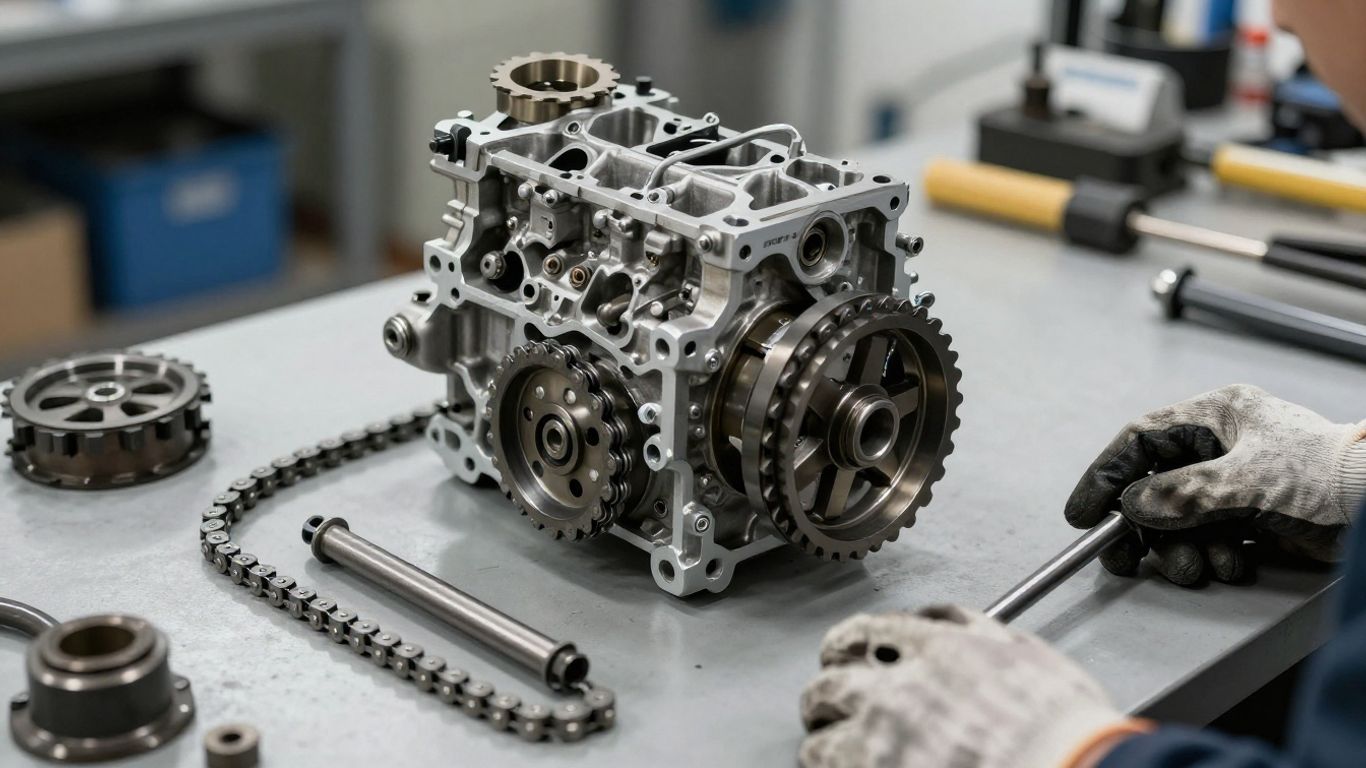
Write down the exact model, production year, displacement, fuel system, and engine code before contacting a seller. The engine code is often more useful than the badge because one model may have been sold with multiple powertrains. If the code is missing, photograph the existing components and ask a qualified parts specialist to help identify them.
Do not assume that a kit listed for a neighboring model will fit. Even a small difference in chain pitch, guide mounting, or tensioner travel can affect timing accuracy. The safest comparison begins with the engine currently in the vehicle, not with a broad marketplace search.
Compare original equipment and aftermarket references
Original-equipment references provide a useful baseline, but they are not the only way to identify a suitable replacement. Aftermarket catalogs may use their own numbering systems and may bundle components differently. Cross-reference the numbers, dimensions, and included parts rather than matching a single number in isolation.
Some marketplace listings illustrate why careful reading helps: this Timing Chain Kit page, for example, identifies OE numbers, vehicle applications, warranty information, and customization options in its own listing. Those details are specific to that product and should not be assumed to apply to a Chery kit.
Check chain, guide, tensioner, and sprocket compatibility
The chain must work with the guides and sprockets as a complete system. A replacement tensioner also needs the correct mounting points, oil path, and operating range for the engine. Mixing a chain from one application with guides from another can create slack, noise, or incorrect timing even when each piece looks broadly similar.
Use a side-by-side check whenever possible. Compare the number of links, guide profile, bolt locations, sprocket teeth, tensioner body, and any timing marks. Marketplace searches for timing car engines can help reveal the range of listings available, but filters and seller descriptions do not replace application verification.
Use the vehicle identification number for verification
The VIN gives a supplier another way to confirm the vehicle’s production details and market specification. Send the full VIN privately through the seller’s approved contact method, along with the engine code and a description of the repair. Ask the supplier to confirm the exact kit reference in writing before payment.
Keep that written confirmation with the order record. If the delivered kit differs from the confirmed reference, the discrepancy is easier to document during a return request. VIN verification is not infallible, but it adds a valuable second check when catalog data is incomplete.
Evaluate recycled kit quality before buying
A recycled timing kit deserves the same careful inspection as any other critical engine part. Look for physical damage, but also ask how the seller assessed hidden wear. A clean photograph can show missing teeth or corrosion; it cannot establish chain elongation or tensioner performance by itself.
Inspect the chain for stretch, rust, and surface damage
Examine the chain for rust, pitting, bent links, damaged rollers, uneven wear, and signs of overheating. Compare the chain’s condition across its length rather than checking only the most visible section. If the supplier has a measured elongation limit or test result, ask for the value and the method used to obtain it.
Surface discoloration may have several causes, so avoid diagnosing the part from color alone. A chain with obvious corrosion, stiff links, damaged pins, or questionable lubrication history is a poor candidate for reuse. When the seller cannot provide measurements, treat the unknown condition as a cost and risk factor.
Check guides and tensioners for wear
Guide rails should be checked for cracks, grooves, missing plastic, and distortion. The tensioner should be inspected for leakage, damaged mounting surfaces, sticking movement, or a weak spring or hydraulic action, depending on its design. A worn guide can shed material into the engine, while an unreliable tensioner can allow slack at startup.
These parts should be evaluated together with the chain. Replacing only the visibly damaged item may leave another worn component in the same timing drive. If the kit contains used guides or a used tensioner, ask whether they were tested or simply included because they were present on the donor engine.
Look for testing, grading, and refurbishment details
A useful listing explains the source of the parts, the inspection steps, the grading standard, and any refurbishment performed. It may identify measurements, cleaning methods, replaced pieces, and photographs of the actual kit. This level of detail makes it easier to compare suppliers on more than price.
For context, the idea of building confidence through transparent technical and commercial information also appears in this discussion of recycled carbon fiber, although that material and its processing are unrelated to engine timing parts. The relevant lesson here is narrower: recycled products need evidence about condition and handling, not just a sustainability label.
Review warranty coverage and return conditions
Read the warranty before buying, including its duration, exclusions, labor coverage, and installation requirements. Some sellers cover the part but not removal and refitting costs. Others may reject claims if the kit was installed without replacing related components or if the engine was not timed according to the specified procedure.
Return conditions deserve equal attention. Confirm the return window, inspection process, shipping responsibility, and whether opened packaging affects eligibility. Save the listing, messages, photographs, and invoice so the agreed condition is documented before the package arrives.
Choose a trustworthy supplier
Supplier quality often determines whether a recycled kit is a reasonable repair or an expensive gamble. A dependable seller answers specific questions without pressure and can distinguish verified information from an assumption. Clear documentation is especially valuable when buying from a distance.
Questions to ask about sourcing and inspection
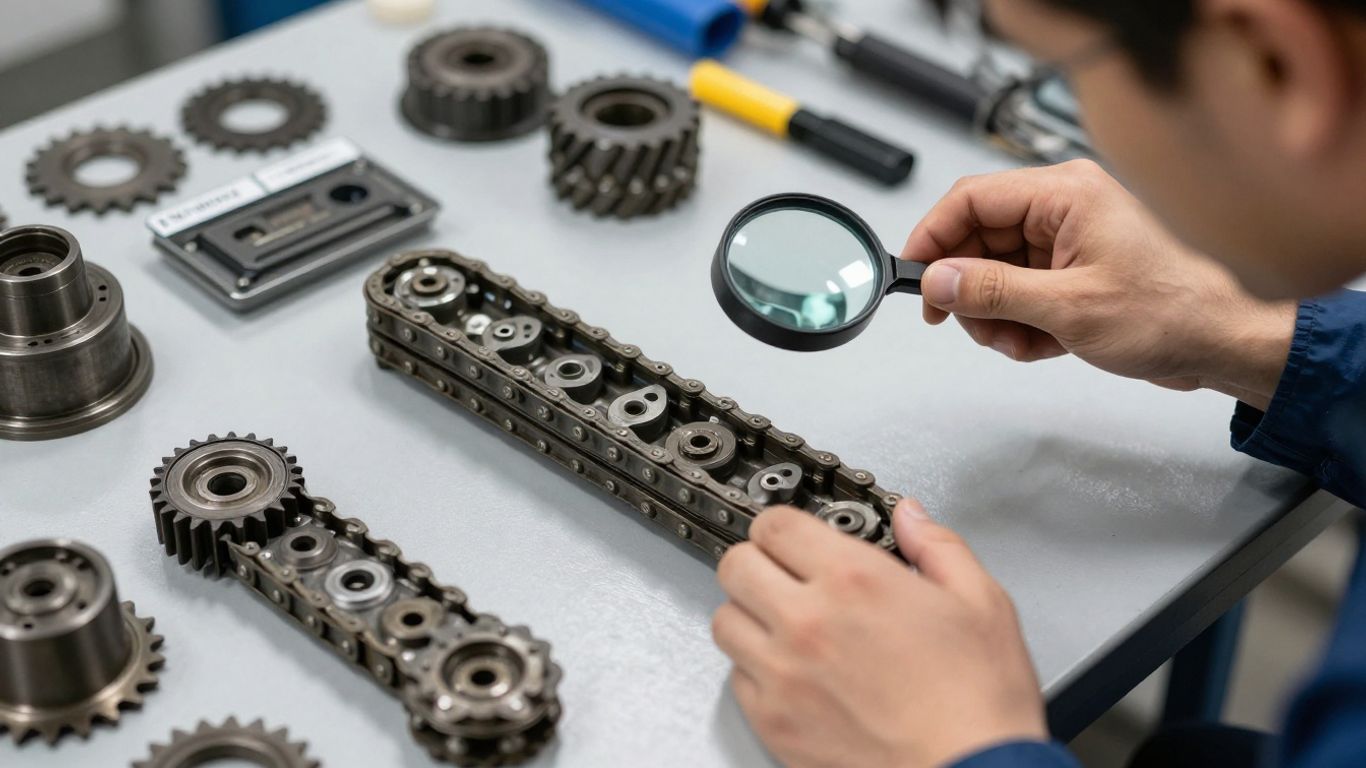
Ask where the kit came from, whether all components came from the same engine, and why it was removed. Then ask what was measured, what was replaced, and whether the actual kit shown is the one being sold. A supplier who cannot answer basic provenance questions may still have a usable part, but the buyer has less basis for confidence.
A short written checklist can keep the conversation focused:
- What exact engine code and reference does the kit fit?
- Which components are included, and which are used or refurbished?
- What inspection or measurement records are available?
- What warranty and return terms apply after installation?
These questions do not guarantee a good part, but they expose gaps early. They also make competing quotations easier to compare because each seller is responding to the same requirements.
How supplier documentation supports confidence
Documentation should connect the physical kit to the claimed application. Useful records may include part numbers, donor information, inspection notes, photographs, test results, and a written warranty. If a supplier offers samples or customization for other automotive chain products, such as the Auto Chain Factory, that information still does not establish compatibility with a particular Chery engine.
Even basic records are better than a listing with only a generic title. Keep copies of the supplier’s application confirmation and the condition promised at sale. Those details can also help a technician decide whether the kit is appropriate before the engine is opened.
Warning signs of poorly described timing kits
Be cautious when a listing uses broad fitment claims, stock photographs, or phrases such as “fits many models” without engine codes. Other warning signs include missing component counts, no close-up images, pressure to pay quickly, and warranty language that is absent or difficult to interpret. A very low price is not proof of a problem, but it warrants more questions.
The same principle applies to online research generally: useful SEO foundation guide material may explain how to assess information quality on a website, but it is not evidence that a particular mechanical listing is accurate. Keep the evaluation practical and centered on the part in front of you.
Comparing local distributors and online sellers
A local distributor may offer easier returns, quicker inspection, and access to a technician who can compare the kit with the vehicle. An online seller may provide a wider selection and more photographs, but shipping, cross-border communication, and return costs can complicate a dispute. Neither channel is automatically safer.
Compare the delivered price, response time, documentation, warranty, and return logistics together. Some buyers also look at Linkly when researching online visibility and link-building resources, but that service is unrelated to automotive parts quality. For this repair, supplier evidence and application accuracy remain the deciding factors.
Plan the timing chain installation
Timing chain work is more than removing an old chain and fitting a replacement. The technician must preserve engine position, verify timing marks, inspect adjacent components, and follow the engine-specific procedure. Planning these steps before disassembly reduces the chance of discovering a missing seal or damaged guide after the vehicle is already apart.
Parts to replace during the repair
The chain, guides, tensioner, and sprockets should be evaluated as a group. If one part has significant wear, the others may have experienced the same operating conditions. Reusing a questionable companion component can undermine the reason for opening the engine in the first place.
Before ordering, confirm whether the repair also calls for new fasteners, a tensioner seal, a crankshaft seal, a camshaft seal, or a front cover gasket. The right combination depends on the engine and the observed condition. Do not add parts blindly, but do not overlook inexpensive items that are difficult to access once the timing cover is sealed.
Timing marks and engine positioning
The engine must be positioned according to the service procedure before the old timing parts are removed. Marking components can assist during disassembly, but painted marks are not a substitute for the factory timing references. The crankshaft and camshaft positions need to be checked before tension is released and again after the replacement is installed.
After assembly, rotate the engine by hand as directed and recheck alignment. Resistance, unexpected contact, or marks that no longer correspond should stop the process until the cause is understood. A careful verification takes time; correcting valve timing after a failed start takes much longer.
Seals, gaskets, and related maintenance items
Opening the timing cover creates an opportunity to address accessible leaks and hardened sealing surfaces. Inspect the cover, guides’ mounting areas, oil passages, and nearby components for debris or damage. Replace seals and gaskets when the engine procedure or their condition justifies it, using parts that match the application.
A broader repair may involve other overhaul items, but the scope should be based on inspection rather than habit. This is where a parts list prepared before disassembly helps prevent rushed substitutions. It also gives the owner a clearer estimate of the work likely to be required.
Why professional installation may be worthwhile
Timing work requires correct positioning, torque, cleanliness, and post-installation checks. A professional technician also has a better chance of recognizing a mismatched guide or an implausible part number before it causes trouble. The labor cost may feel high, but it is small compared with repeating a complex repair.
If you are comparing labor estimates, ask what the quote includes: inspection, fluids, seals, timing verification, hand rotation, startup checks, and any warranty on the installation. A low quote that excludes essential steps may not be the lower-cost option.
Compare the total value of the repair
The purchase price is only one part of the decision. A recycled kit can reduce the initial bill, but the value depends on fit, documentation, installation quality, and the probability of another repair. Compare complete scenarios rather than selecting the cheapest box on a search page.
Purchase price versus long-term reliability
A new kit usually offers clearer origin and condition, while a recycled kit may offer savings when it has been properly inspected. The difference in price should be weighed against the evidence available for each option. If the recycled part lacks measurements or a meaningful warranty, its discount may not compensate for the uncertainty.
A simple comparison can make the tradeoff more visible:
| Cost or risk factor | Recycled kit | New kit |
|---|---|---|
| Upfront purchase price | Often lower, but varies by condition | Often higher and easier to compare |
| Condition evidence | Depends heavily on supplier records | Usually clearer from the manufacturer or distributor |
| Return and warranty clarity | Must be checked carefully | Often more standardized, but still varies |
| Risk of repeat labor | Higher when components are unverified | Lower when the application and quality are confirmed |
The table is not a promise about every seller or product. It is a prompt to price the whole repair, including the value of documentation and the cost of a possible second installation.
Labor costs and the risk of repeat repairs
Timing chain labor can dominate the invoice because access, cleaning, alignment, and reassembly take time. If a recycled component fails or proves incompatible, most of that labor may have to be paid again. Ask whether the installer will inspect the supplied kit before beginning and what happens if a problem is found.
A written labor warranty can clarify responsibility, but it does not replace a parts warranty. Keep the two terms separate when reviewing an estimate. The most useful quote states both what is included and what remains the owner’s responsibility.
Environmental advantages of recycled components
Reusing serviceable components can reduce demand for new raw materials and keep parts in circulation. The environmental benefit is strongest when the component is genuinely usable and avoids a premature repeat shipment or repair. A failed recycled part can create additional waste and transport, so durability remains part of the sustainability calculation.
Readers interested in how reuse claims are evaluated in another engineering context can review recycled material confidence, though the technical subject there is different. For timing kits, the practical environmental choice is the part that performs reliably for the intended service life.
When a new timing chain kit is the better option
Choose a new kit when the recycled part has unknown history, visible damage, weak documentation, or only a small price advantage. A new kit is also sensible when the vehicle is valuable, the engine repair is already extensive, or access makes a repeat job particularly costly. Availability and verified fit should still be checked before purchase.
Budget pressure does not make a recycled kit wrong, and a new kit does not make installation automatically correct. The better option is the one that combines confirmed compatibility, acceptable condition, supportable warranty terms, and a total cost you can live with.
Conclusion
The safest way to choose recycled Chery timing chain kits is to treat the purchase as a complete repair decision: identify the engine precisely, verify every component, demand evidence of condition, and include installation risks in the price. A carefully documented recycled kit may be a practical value, while an uncertain one can turn a small saving into a second engine job.
Frequently Asked Questions
Are recycled Chery timing chain kits reliable?
They can be reliable when the parts are correctly matched, properly inspected, and installed according to the engine procedure. Reliability cannot be judged from the word “recycled” or from price alone.
What should a complete timing chain kit include?
A kit commonly includes the chain, guides, tensioner, and sprockets, but contents vary. Confirm the exact component list, fasteners, seals, and gaskets before ordering.
How do I verify compatibility?
Use the Chery model, year, engine code, VIN, part references, and component dimensions together. Written confirmation from the seller is useful, especially when catalog information is incomplete.
Can a used timing chain be inspected for stretch?
A visual inspection can reveal corrosion and obvious damage, but chain elongation requires an appropriate measurement or comparison method. Ask for documented results rather than relying only on photographs.
Should the tensioner and guides be replaced with the chain?
They should at least be inspected as part of the same repair. Replacing worn companion components can reduce the chance that an old guide or tensioner undermines the replacement chain.
Is professional timing chain installation necessary?
Professional installation is worthwhile when the procedure requires precise timing marks, specialized tools, or extensive disassembly. An experienced technician can also identify an incorrect kit before final assembly.
When is a new timing chain kit preferable?
A new kit is usually preferable when the recycled kit has uncertain history, poor documentation, visible wear, limited warranty support, or only a minor price advantage over a verified new alternative.