

Key Takeaways
A suitable second hand Chery transfer case can reduce repair costs, but only when fitment and condition are checked carefully. The safest purchase combines exact identification, a clear inspection history, and a realistic installation budget.
- Match the transfer case to the exact Chery model, year, drivetrain, and transmission.
- Confirm the part number and vehicle identification number before ordering.
- Inspect the housing, shafts, gears, seals, flanges, and mounting points.
- Compare used, rebuilt, and new options by total cost rather than purchase price alone.
- Agree on warranty, returns, shipping, and installation details before payment.
Understanding what a second hand Chery transfer case does
A transfer case sits in the drivetrain of a four-wheel-drive vehicle and directs engine power to the front and rear axles. It works with the transmission, driveshafts, differentials, and control system, so a fault can affect more than one component. Understanding its role makes it easier to judge whether a replacement is actually needed.
How the transfer case supports four-wheel drive
The transfer case receives rotational power from the transmission and distributes it through the vehicle’s four-wheel-drive system. Depending on the vehicle, it may also provide different drive ranges or modes for changing road and terrain conditions. A replacement must therefore match the vehicle’s complete drivetrain, not merely its engine size.
A useful first step is to have the vehicle inspected for related issues, such as damaged driveshafts, differential problems, wiring faults, or incorrect fluid levels. Noise from the transfer case can sometimes be caused by another drivetrain component, so diagnosis should come before ordering a part.
Chery models that may use compatible transfer cases
Compatibility can vary within the same model name. Production year, engine, transmission, body style, drivetrain layout, and market specification may all affect the correct assembly. A transfer box listed for one Chery Tiggo, for example, should not be treated as a universal match for every Tiggo variant.
Model-based searches can help identify possible listings, but they are only a starting point. A directory such as Chery Tiggo transfer box listings can help you compare available suppliers, after which the seller should verify the individual part against your vehicle details.
Common symptoms of transfer case failure
Typical warning signs include grinding, whining, clunking, vibration, difficulty engaging four-wheel drive, or fluid leaking from the housing. Some vehicles may show a warning light or refuse to change drive modes. These symptoms can appear together, although none proves that the transfer case itself is defective.
Record when the noise occurs, whether it changes with speed or load, and whether the vehicle is in two-wheel drive or four-wheel drive. That information gives a technician a better starting point and may prevent an unnecessary replacement.
Why a used unit may be a practical replacement
A used transfer case can make financial sense when the original assembly has severe internal damage but the vehicle remains valuable and otherwise sound. It may also be more readily available than a new assembly for an older model. The key is to buy based on verified fitment and condition rather than choosing the cheapest listing.
For a carefully matched replacement, the purchase price is only one part of the decision. The unit’s mileage, inspection method, warranty, shipping protection, and likely installation work all influence its real value.
Confirming compatibility before you buy
Fitment should be settled before money changes hands. Transfer cases that look almost identical can have different internal ratios, controls, mounting patterns, or shaft arrangements. Gather the vehicle information and compare it with the supplier’s records rather than relying on a photograph or a broad model description.
Matching the exact Chery model and production year
Start with the full model name, production year, body configuration, and drivetrain type. If the vehicle has been imported or sold in more than one market, note its original market as well. Small production changes can affect housings, sensors, connectors, and mounting brackets.
Ask the seller to confirm the part against the complete vehicle description in writing. Keep the original listing and any fitment reply until the part has been installed and tested.
Using the transfer case part number and vehicle identification number
The part number stamped or labelled on the original unit is often more precise than a model name. Supply the vehicle identification number as well, since it can help distinguish factory configurations that share a similar badge. Photographs of the identification label can be useful when numbers are worn or difficult to read.
Do not assume that a similar-looking number is interchangeable. Ask whether the replacement number supersedes the original and whether that change has been checked by the supplier.
Comparing drivetrain, engine, and transmission specifications
Compare whether the vehicle uses front-wheel drive, rear-wheel drive, all-wheel drive, or selectable four-wheel drive, along with the engine and transmission type. The transmission output and transfer-case input must work together, and the final drive relationship must suit the differentials.
A supplier should be able to explain any difference between the donor vehicle and yours. If the answer is unclear, pause the order and have a technician verify the specification.
Checking input and output shaft configurations
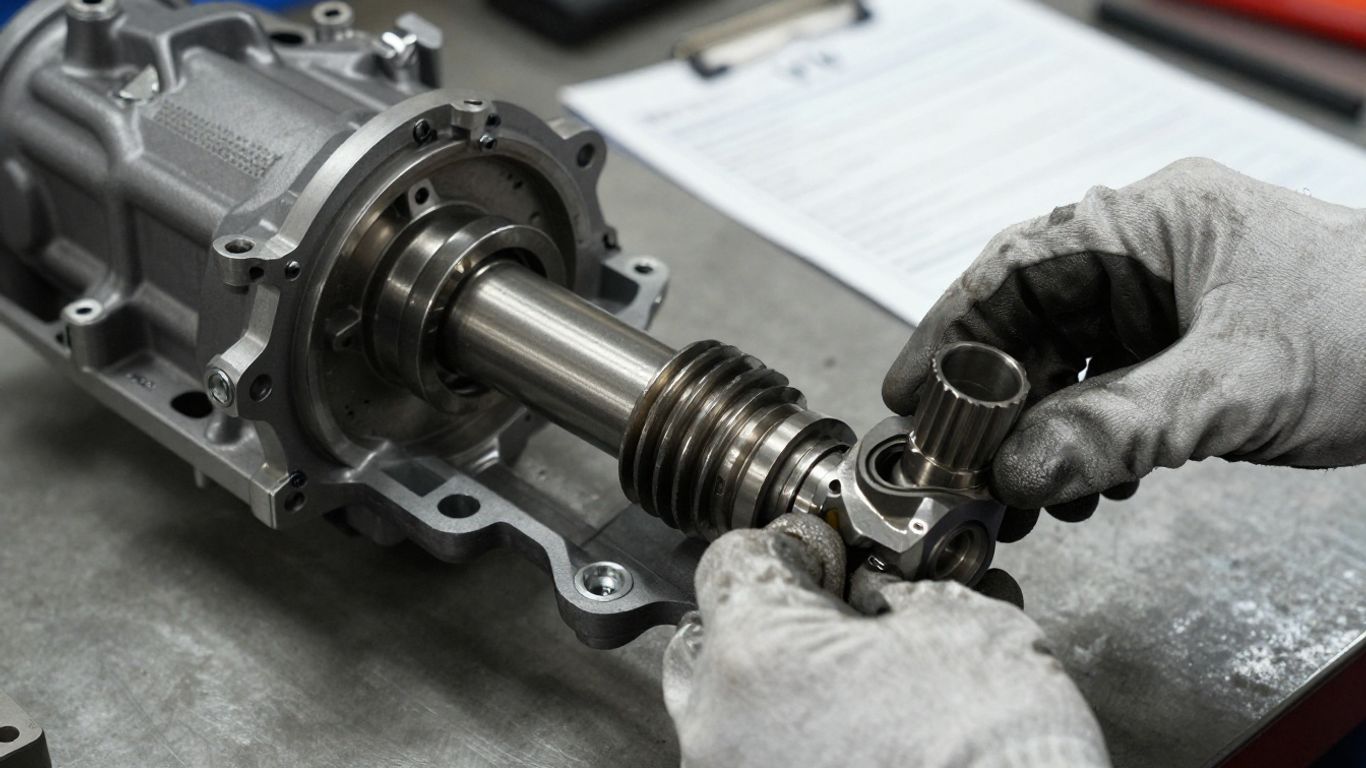
Count and identify the relevant input and output shafts, flange styles, spline arrangements, and mounting points. Also check sensor locations and electrical connectors if the transfer case uses electronic engagement or monitoring. These details matter even when the external casing appears to match.
Use photographs as supporting evidence, not as the only proof. The safest confirmation combines clear images, measurements or part numbers, and the vehicle identification number.
Inspecting the condition of a used transfer case
Condition is the second major question after fitment. A used assembly may be sound, lightly worn, damaged during removal, or affected by contamination that is not visible from the outside. A careful inspection does not eliminate every risk, but it makes the decision more informed.
Looking for cracks, dents, and fluid leaks
Examine the housing for cracks, impact marks, distorted mounting ears, and deep corrosion. Look around seams, drain plugs, shafts, and cover joints for oil residue or signs that the unit has been leaking. A clean exterior is helpful, but it does not prove that the internal components are healthy.
Ask whether the housing was cleaned before photography. Freshly washed parts can hide the difference between an old stain and an active leak, so close-up images and an honest condition report are valuable.
Checking gears, bearings, chains, and shafts
Internal gears, bearings, chains, and shafts should be assessed for wear, scoring, excessive play, or unusual noise. A supplier may be able to spin the assembly, inspect the lubricant, or provide a test report, depending on the part and its facilities. A noisy or stiff unit deserves further investigation before purchase.
If the transfer case is opened, the inspection should include metal particles in the oil and damage to mating surfaces. Those findings may change a seemingly inexpensive replacement into a rebuild project.
Evaluating seals, flanges, sensors, and mounting points
Seals and gaskets may harden while a vehicle is parked, even when the internal gears remain usable. Check the input and output flanges for wear, the sensors and connectors for damage, and all mounting points for distortion. Related hardware may need replacement during installation.
A used assembly can still be a good choice when normal wear items are budgeted for in advance. The important distinction is between predictable service work and evidence of major internal damage.
Asking for inspection photos and operating history
Request clear photos from several angles, including the label, shafts, flanges, mounting faces, and any damaged areas. Ask for the donor vehicle’s model and year, reported mileage if known, the reason it was dismantled, and whether the unit was tested before removal. Answers that are specific and consistent are generally more useful than broad assurances.
Keep a written record of what was promised. It can help resolve a fitment or condition dispute if the delivered part differs from the listing.
Choosing between used, rebuilt, and new replacement units
There is no single best replacement category for every Chery vehicle. A used unit usually has the lowest upfront price, a rebuilt unit may offer renewed wear components, and a new unit can provide the clearest baseline for reliability. The right choice depends on the vehicle’s value, intended use, availability, and the consequences of another failure.
Comparing purchase price and long-term value
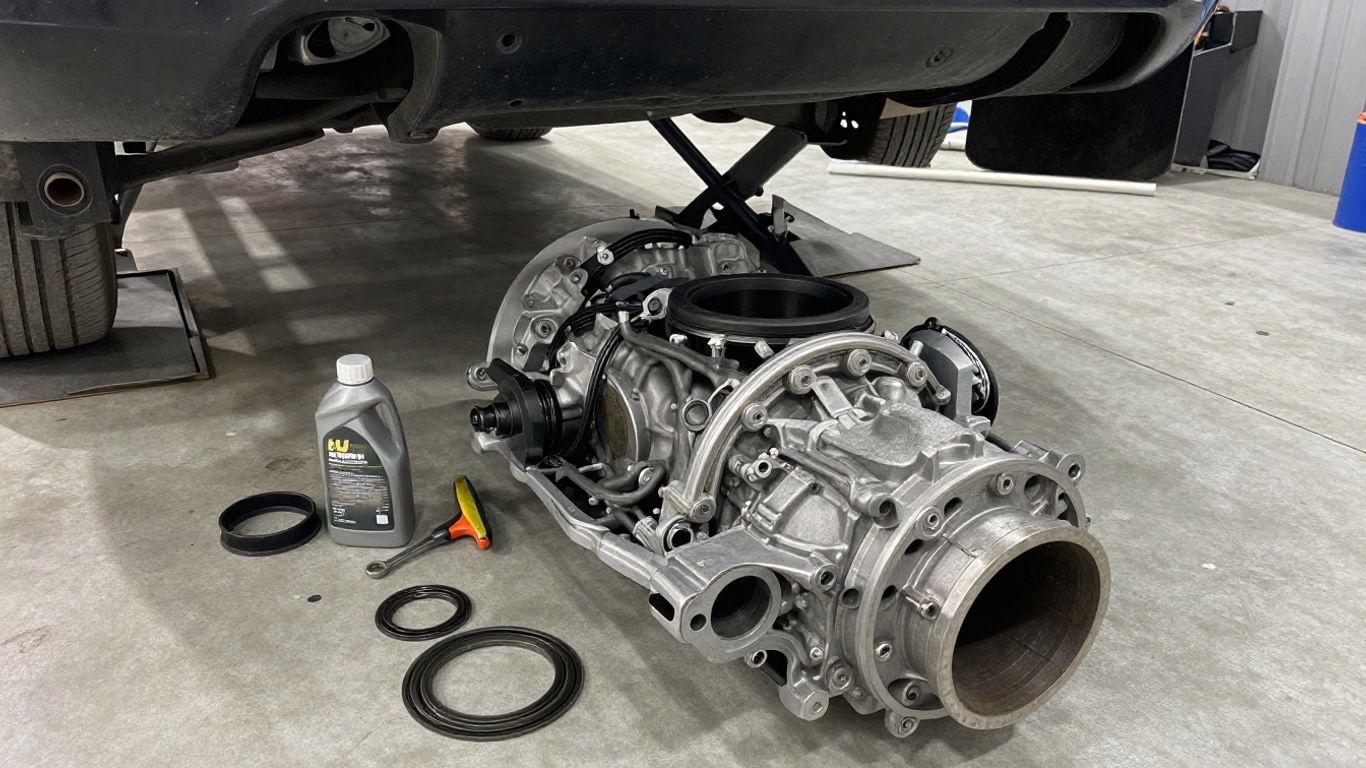
Compare each option using the complete installed cost. Include freight, fluids, seals, labour, diagnostic time, and the possibility of removing the unit again if it fails. A cheaper assembly can become expensive when access is difficult or when the warranty is limited.
| Replacement type | Main advantage | Main question to ask | Typical risk |
|---|---|---|---|
| Used | Lower purchase price | Was it tested and correctly matched? | Unknown internal wear |
| Rebuilt | Renewed selected components | What parts and work are included? | Rebuild quality may vary |
| New | Fresh assembly and clear baseline | Is it available and financially sensible? | Higher upfront cost |
The table is a starting framework, not a promise about any individual part. A documented inspection and suitable warranty can make a used unit more attractive than an unverified bargain.
Understanding what a rebuilt transfer case includes
“Rebuilt” can mean different things, so ask for a written description. It may include cleaning, inspection, replacement bearings, seals, chains, gears, or other worn components, but the exact scope depends on the rebuilder and the condition of the core.
Ask whether the case was measured, which parts were replaced, what lubricant was used during testing, and whether the work carries a transferable warranty. Without those details, the word rebuilt does not say enough about the finished assembly.
Recognizing the risks of an untested used part
An untested unit may have hidden bearing wear, damaged splines, a bent shaft, contamination, or a faulty sensor. It can also have been stored in damp conditions or handled roughly during removal. These risks do not automatically rule out a used purchase, but they should be reflected in the price and warranty.
Before accepting an untested part, consider the labour involved in fitting it. A low-cost assembly is less appealing when removal and installation must be repeated.
Deciding when a new unit is the safer choice
A new transfer case may be sensible when the vehicle is used heavily, downtime is costly, or a suitable used assembly cannot be verified. It can also be preferable when the original failure contaminated other drivetrain parts or when the vehicle has a long service life ahead.
Even then, confirm the specification and installation requirements. New does not remove the need to use the correct part number, lubricant, seals, and adjustment procedures.
Buying a second hand Chery transfer case from a supplier
A supplier should make the buying process clearer, not simply provide a part number and a price. Ask direct questions about inventory, fitment, condition, dispatch, and returns before ordering. A supplier network that serves Melbourne, Sydney, Brisbane, and customers nationwide may offer useful access, but the individual unit still needs to be verified.
Verifying the seller’s inventory and fitment claims
Confirm that the advertised assembly is physically in stock and that the photographs show the actual unit. Ask the supplier to match the part to your vehicle identification number, original part number, and drivetrain details. If the seller cannot explain the fitment basis, treat the listing as unconfirmed.
A broad online catalogue can help you compare availability. For example, used transfer case availability is useful as a reference point, but any order should still be checked against the specific Chery vehicle.
Reviewing warranty, returns, and exchange terms
Read the warranty period, exclusions, claim process, and return window before paying. Check who covers return freight, whether the unit must be returned in an unmodified condition, and whether labour is excluded. Some warranties require proof of correct installation or fluid use.
Save the invoice, listing, messages, and delivery photographs. Clear records make an exchange much easier if the unit arrives damaged or proves incompatible.
Confirming shipping, packaging, and delivery details
Transfer cases are heavy and can be damaged by loose packaging. Ask how the shafts, flanges, connectors, and mounting points will be protected, whether the unit will be drained of fluid, and whether delivery requires a signature. Confirm the freight charge and estimated delivery time before placing the order.
Inspect the package before signing where possible. Photograph visible damage and report it promptly, especially if the carrier’s terms require immediate notification.
Checking whether installation support is available
Some suppliers can provide basic fitment guidance, while others only sell the component. Ask whether they can clarify identification, recommend a qualified installer, or advise on related seals and hardware. Installation support should be described accurately; it is not a substitute for a technician’s diagnosis.
If you are arranging the work independently, give the installer the seller’s fitment notes and the transfer case’s part information. This keeps the diagnostic and installation decisions connected.
Estimating the total replacement cost
The part price rarely tells the whole story. Freight, consumables, workshop time, diagnosis, and possible related repairs can materially change the final bill. Build the estimate before ordering so a seemingly affordable used assembly can be compared fairly with a rebuilt or new option.
Calculating the part price and shipping fees
Request a written total that separates the transfer case, packaging, freight, taxes where applicable, and any core charge. Heavy parts may cost more to ship than their size suggests, particularly when special handling or long-distance delivery is required.
Compare delivered prices rather than catalogue prices. Also confirm whether the quoted amount applies to the exact inspected unit or only to a generic exchange listing.
Budgeting for fluids, seals, and related hardware
Allow for the manufacturer-specified lubricant, new seals, gaskets, fasteners, and any damaged brackets or connectors. Old fluid should not automatically be reused, and a seal that looks acceptable may leak once disturbed. Small parts can be inexpensive individually but inconvenient to source after the vehicle is already apart.
Ask the installer to identify likely consumables before work begins. This reduces delays and avoids making decisions while the vehicle is immobilised.
Factoring in removal, installation, and diagnostic labor
Labour depends on vehicle design, rust, access, seized fasteners, and whether the original failure caused collateral damage. Include time for diagnosis, removal, cleaning, installation, fluid filling, road testing, and any follow-up scan or adjustment.
A workshop should be able to explain what is included in its estimate. If the transfer case is being replaced without confirming the original fault, add the risk of paying for a repair that does not solve the symptom.
Comparing repair costs with the vehicle’s market value
Compare the complete repair estimate with the vehicle’s condition, maintenance history, and likely remaining service life. A transfer case replacement can be reasonable even when it is a significant expense, particularly if the body, engine, transmission, and interior are otherwise sound.
The decision should be based on usefulness and reliability, not just current resale value. A lower-cost used unit with a sensible warranty may preserve a dependable vehicle without committing to the price of a new assembly.
Installing and testing the replacement transfer case
Installation should follow the vehicle’s service information and the replacement supplier’s instructions. The workshop must confirm that the assembly is correct before fitting it, because forcing an incompatible unit into place can damage shafts, mounts, or connectors. A calm inspection at this stage is cheaper than correcting a rushed installation.
Preparing the vehicle and replacement assembly
Secure the vehicle on suitable supports and compare the old and replacement units before removal. Check the housing, labels, shaft ends, mounting faces, sensors, and connectors. Clean mating surfaces without introducing debris into open ports or bearings.
Drain and handle fluids responsibly, and inspect the removed assembly for evidence that may explain the original failure. The finding can indicate whether the driveshafts, differentials, or transmission also need attention.
Replacing worn seals, gaskets, and fasteners
Replace seals and gaskets that are specified for renewal, and use the correct fasteners where the service procedure calls for them. Inspect flange surfaces and threads before assembly. Tighten components to the manufacturer’s torque requirements rather than relying on feel.
This is also the point to correct damaged wiring, brackets, or breather lines. Small installation errors can create leaks or engagement problems after the vehicle leaves the workshop.
Filling the unit with the correct lubricant
Use the lubricant grade and quantity specified for the transfer case. Do not substitute a general gear oil or rely on the fluid left in a used assembly. Fill the unit on level ground if the procedure requires it, and check for leaks after the first run.
The lubricant level is part of the installation, not an optional finishing step. Too little, too much, or the wrong type can affect gears, bearings, chains, and seals.
Testing four-wheel-drive engagement and road performance
After installation, test engagement according to the vehicle’s operating instructions and workshop procedure. Listen for abnormal noise, check for vibration, confirm that warning lights remain off, and inspect for leaks. Road testing should begin gently before moving through the relevant drive modes.
A final scan or inspection may be useful where electronic controls are involved. If the original symptom remains, stop and diagnose it rather than assuming the replacement is defective.
Conclusion
Buying a second hand Chery transfer case is a practical option when the part is correctly identified, honestly inspected, and priced as part of a complete repair. Confirm the vehicle and component details first, compare replacement categories fairly, and leave room in the budget for fluids, seals, labour, and testing. That approach reduces the chance of turning a low purchase price into an expensive second repair.
Frequently Asked Questions
What does a transfer case do?
A transfer case distributes engine power through the four-wheel-drive system, typically sending power toward the front and rear axles through the appropriate driveshafts and gearing.
How can I confirm transfer case compatibility?
Match the exact vehicle model, production year, drivetrain, engine, transmission, original part number, shaft configuration, and vehicle identification number with the supplier’s fitment information.
Is a used transfer case safe to buy?
It can be safe when the unit is correctly matched, inspected, properly packaged, and covered by reasonable warranty or return terms. An untested part carries more uncertainty.
What should I inspect on a used unit?
Look for cracks, dents, leaks, damaged mounting points, worn flanges, sensor or connector damage, shaft play, and evidence of gear, bearing, or chain wear.
Is rebuilt better than used?
A rebuilt unit may have selected wear components replaced, but the term can cover different levels of work. Ask exactly what was replaced, tested, and warranted.
How much does replacement cost?
The total depends on the part, freight, fluids, seals, diagnostic time, labour, and related repairs. A written installed estimate is more useful than a part-only price.
What should happen after installation?
The unit should be filled with the correct lubricant, checked for leaks, tested through the relevant four-wheel-drive modes, and road-tested for noise, vibration, warning lights, and proper operation.